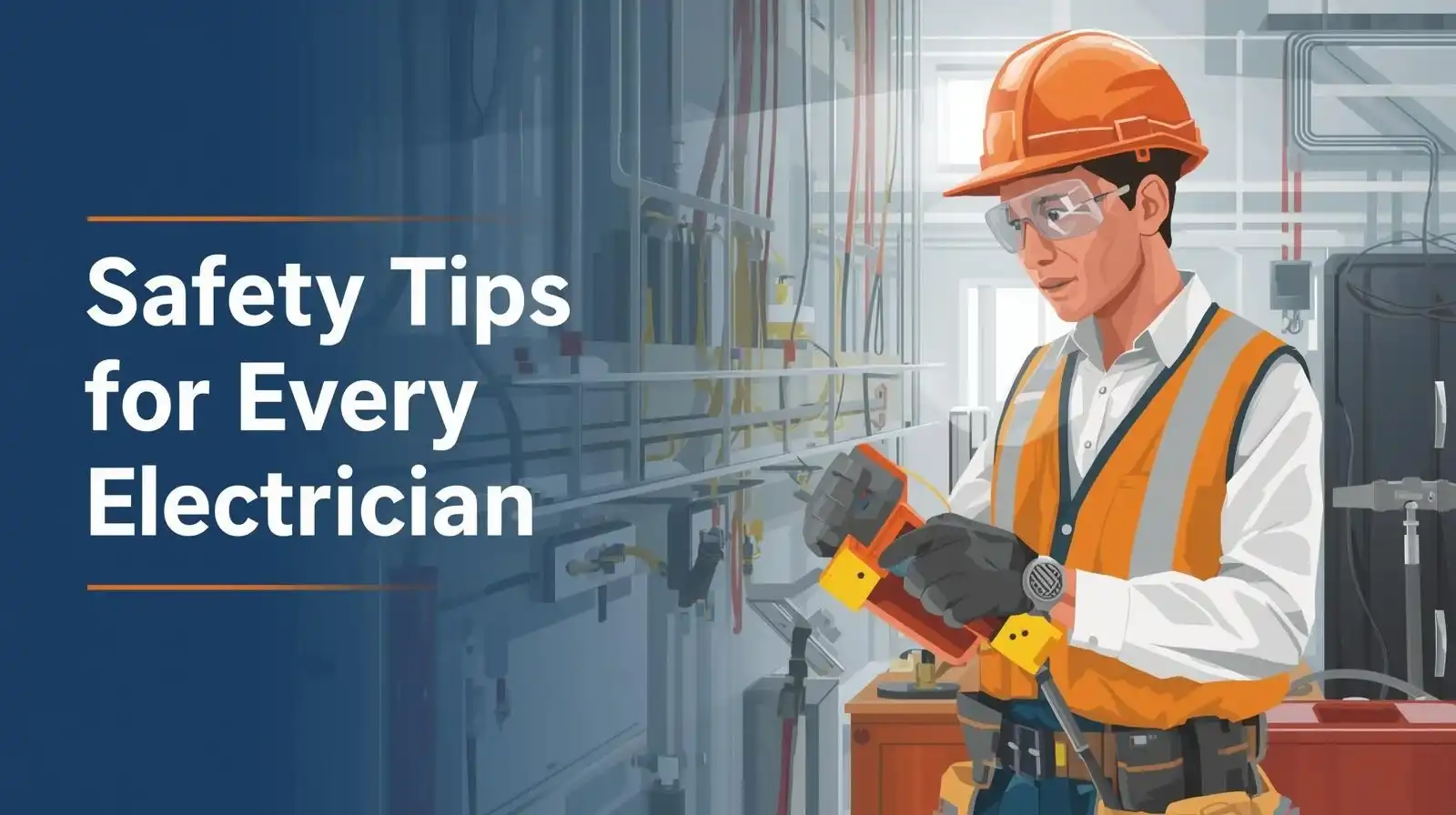
Electricians work with some of the most powerful forces in nature: electricity. As essential as electrical work is for powering homes, businesses, and industries, it can also be highly dangerous without proper safety measures.
Each year, thousands of electrical accidents result in injuries and fatalities, most of which could have been prevented by following basic safety protocols. In this article, we will discuss seven common safety tips that every electrician should follow to stay safe while working. These guidelines are designed to protect not only you but also those around you.
Whether you’re a seasoned pro or just starting in the field, these tips are essential to your daily work and long-term career. Let’s explore each one in detail.
A safe electrician is a skilled electrician—your safety ensures everyone goes home unharmed.
1. Use of Personal Protective Equipment (PPE)
Personal Protective Equipment (PPE) is the most basic yet crucial safety measure every electrician must use. PPE acts as a physical barrier between you and potential electrical hazards such as shocks, burns, or falling objects. It’s your first line of defense and can save your life in emergencies.
Key PPE Items Every Electrician Should Wear:
- Insulated Gloves: These gloves are specifically designed to protect you from electrical shock. They are rated for different voltage levels, ensuring that you are safe while handling live wires or circuits.
- Hard Hats: Falling debris is a common hazard on electrical work sites, especially when working in ceilings, high-rise buildings, or with heavy equipment. A hard hat protects your head from injury in these situations.
- Safety Glasses and Face Shields: Electrical sparks, debris, and arcs can be extremely dangerous to your eyes. Wearing safety glasses or face shields can prevent serious eye injuries.
- Flame-Resistant Clothing: When working around high-voltage circuits or exposed wires, arc flashes are a serious risk. Flame-resistant clothing can protect your body from these high-temperature burns.
- Insulated Footwear: Shoes with electrical insulation can help protect you from electrical shock that may travel through the ground.
Wearing proper PPE isn’t just about following safety protocols—it’s about protecting yourself from avoidable injuries and ensuring that you return home safe after each job.
Read this also “How Simple Reports Improve Electrical Team Performance“
2. Lockout/Tagout (LOTO) Procedures
When working on electrical systems, one of the biggest safety risks is accidental startup of machinery or electrical systems. Lockout/Tagout (LOTO) procedures are designed to prevent this from happening by ensuring that energy sources are completely turned off and cannot be accidentally re-energized.
Steps in the Lockout/Tagout Process:
- Turn Off the Power: Shut off all power to the equipment you’re working on. This could be at the breaker panel or at the equipment itself.
- Locking the Equipment: Use locks to prevent others from turning the equipment back on. Locks should be secure and tamper-proof, and each worker involved in the job should use their own lock.
- Tagging the Equipment: Attach tags to the equipment to alert others that it is being serviced. Tags should clearly indicate that work is ongoing and that power cannot be restored.
- Verification: Use a voltage tester or similar device to verify that the equipment is not live before beginning your work.
By following these steps, you can be sure that no one accidentally powers up the equipment while you’re working on it.
Real Life Safe by Using This Safety:
A real-life example of the importance of LOTO procedures comes from an incident at a manufacturing plant where an electrician was working on an industrial machine.
The power had been turned off, but the system wasn’t locked out. While the electrician was working, another worker, unaware of the ongoing maintenance, accidentally turned the machine back on.
The electrician was thrown across the room by the sudden start-up of the machine. Fortunately, he only suffered minor injuries, but this close call could have been prevented entirely with proper lockout/tagout procedures.
The best protection on the job is your attention to safety; don’t take risks with your life.
3. Identify Hazards and Assess Risks Before Work Begins
Identifying potential hazards before beginning work is a fundamental safety practice. Electricians face many risks, including electrical shock, arc flashes, and even fires. Before you begin any task, take the time to assess the situation and identify any potential hazards in your environment.
Common Electrical Hazards to Look For:
- Exposed Wires: Wires that are damaged, frayed, or improperly insulated can cause serious electrical shocks. Always inspect wires before working on them and ensure they are properly insulated.
- Overloaded Circuits: Electrical circuits that are overloaded can result in overheating, which may lead to fires. Always check the load on circuits to ensure that they do not exceed the recommended capacity.
- Wet Conditions: Water and electricity don’t mix. If you’re working in a damp environment, ensure that all equipment is dry, and use ground fault circuit interrupters (GFCIs) where necessary.
- Faulty Tools: Tools that are in poor condition or not rated for the voltage you are working with can be a hazard. Inspect tools regularly and replace any damaged or worn-out equipment.
Once hazards are identified, a risk assessment should be conducted to decide on necessary precautions, like extra insulation or grounding. If you’re unsure about the safety of your work environment, it’s always best to stop and reassess before proceeding.
Real Life Safe by Using This Safety:
In one instance, an electrician was working on a residential electrical system when he failed to properly assess the risks involved. He noticed exposed wires but assumed they were not live. When he touched them, he was electrocuted.
Luckily, he survived the shock with only minor injuries. Had he conducted a proper risk assessment and taken more precautions, such as de-energizing the circuit or using insulated tools, the accident could have been avoided.
4. Proper Grounding and Bonding of Electrical Systems
Grounding and bonding are essential safety practices that prevent electrical shock and fires. Grounding provides a path for excess electrical energy to flow safely into the earth, while bonding connects all metallic parts to ensure no dangerous voltage difference exists between them.
Grounding Explained:
Grounding ensures that if there is a fault in an electrical system, the excess electrical energy is directed safely into the earth. This prevents potential electric shock when coming into contact with metal parts like pipes or metal enclosures.
Bonding Explained:
Bonding connects all metal parts of an electrical system, such as electrical boxes, conduit, and other conductive materials, to ensure that they have the same electrical potential. This prevents dangerous differences in voltage that could cause electrical shock.
Regularly checking the grounding and bonding systems in an electrical setup ensures that electrical current flows safely in the event of a fault, reducing the risk of electrical shock.
Every safety measure followed today is a step toward a secure tomorrow.
5. Safe Work Practices Around High Voltage Areas
When working with high-voltage electrical systems, the risk of injury or death increases significantly. It is vital to take extra precautions to ensure safety while working with high-voltage circuits.
Key Safety Practices in High Voltage Areas:
- Maintain Safe Distance: Always stay a safe distance away from live high-voltage parts. High-voltage equipment can cause dangerous arc flashes that can injure or kill anyone nearby.
- Insulated Tools and PPE: Ensure that all tools and PPE are rated for high-voltage work. Insulated tools help prevent electrical shock, while properly rated PPE protects you from arc flashes.
- Work in Pairs: High-voltage work should always be done with a partner. A second person can act as a safety observer, assisting if an emergency arises.
- Lockout/Tagout: As always, make sure to lock out and tag out all equipment before working on it. This ensures no accidental power-up occurs during maintenance.
6. Inspect and Maintain Tools and Equipment Regularly
The condition of your tools directly affects your safety on the job. Damaged or improperly maintained tools can cause electrical shock, burns, or even fires. Regular inspection and maintenance are critical to ensuring the tools you use are safe and effective.
Inspection and Maintenance Tips:
- Check Insulation: Insulated tools are essential for protecting you from electrical shocks. Before using tools, check for cracks or damage to the insulation. If any damage is found, discard the tool.
- Clean Tools Regularly: Dust, dirt, and grime can affect the functionality of your tools. Regular cleaning ensures that your tools remain in top working condition.
- Replace Worn Equipment: Tools and equipment that are worn out or damaged should be replaced immediately. Do not attempt to use a tool that no longer meets safety standards.
Proper maintenance ensures that your tools function correctly and reduces the risk of electrical accidents on the job.
7. Ongoing Training and Education
Electricians should continuously update their knowledge and skills to stay safe on the job. New electrical codes, safety protocols, and technologies are constantly being introduced, so ongoing training is essential.
Areas for Continuous Education:
- Electrical Codes: Electrical codes are updated regularly to reflect new safety standards. Staying up to date with the National Electric Code (NEC) and local regulations ensures compliance and reduces the risk of accidents.
- First Aid and CPR: Electricians should be trained in basic first aid and CPR to handle emergencies effectively.
- Workshops and Seminars: Attending safety workshops and technical seminars keeps you informed about new tools, techniques, and technologies.
By investing in continuous training, electricians can improve their safety awareness and stay informed about emerging risks and solutions.
Conclusion
Electricians play a critical role in keeping our homes and workplaces powered, but the risks they face are substantial. By following these seven common safety tips, you can protect yourself and others from the dangers associated with electrical work. Always wear the correct PPE, follow lockout/tagout procedures, assess potential risks before starting, and stay up to date with training and safety standards.
Safety is not just about avoiding injuries—it’s about fostering a culture of responsibility and awareness that benefits everyone on the job site. By making safety a priority in your work, you not only protect yourself but also help ensure the safety of your coworkers, clients, and the community.
Your safety at work isn’t just about you—it’s about returning home to your family safe and sound every day.