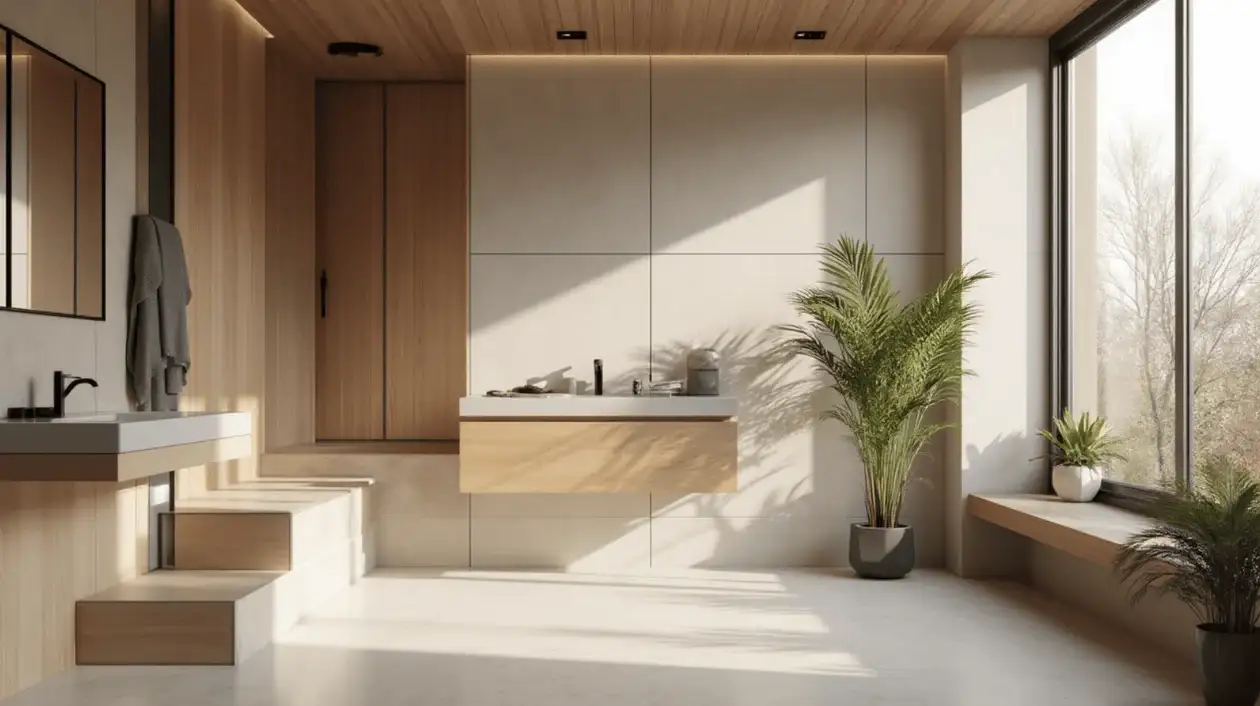
Modern housing is no longer just about square footage—it is about how intelligently a space performs. Today’s homeowners and developers are prioritizing materials that optimize brightness, improve perceived dimensions, and support structural longevity. Among all surface solutions, tiles have quietly evolved into a strategic design asset capable of transforming both aesthetics and functionality.
From reflective finishes that amplify daylight to structural-grade materials engineered for durability, the right tile selection can redefine how a home feels, flows, and functions.
1. The Science Behind Tiles and Light Reflection
Light is a premium commodity in residential design. Proper tile selection can significantly enhance illumination without increasing energy consumption.
Highly reflective surfaces—such as polished porcelain or glazed ceramic—bounce natural and artificial light across the room. This creates a brighter environment while reducing reliance on overhead fixtures.
Key factors influencing light behavior include:
- Finish: Glossy tiles reflect more light, while matte tiles diffuse it for softer ambience.
- Color palette: Whites, creams, and pale greys maximize luminance.
- Tile size: Larger formats reduce grout lines, allowing uninterrupted light flow.
- Placement strategy: Vertical tiling can help distribute light deeper into interiors.
Design leaders increasingly treat tiles as “light multipliers,” especially in urban homes where window access may be limited.
2. Creating the Illusion of Space Through Strategic Tile Layouts
Spatial perception is psychological as much as architectural. Tiles can visually expand rooms without altering structural boundaries.
Large-format tiles, continuous flooring, and minimal grout contrast help eliminate visual fragmentation—making interiors appear more expansive and cohesive.
For compact bathrooms in particular, selecting affordable bathroom tiles online does not mean compromising design intelligence. Affordable, large-format options in neutral tones can:
- Make narrow bathrooms feel wider
- Extend sightlines
- Reduce visual clutter
- Support a modern, seamless aesthetic
The result is a high-impact transformation achieved through material strategy rather than costly renovations.
3. Structural Performance: Tiles as a Long-Term Investment
Forward-thinking homeowners are shifting from short-term décor choices to lifecycle-driven material planning. Tiles now function as part of a home’s structural resilience.
Premium porcelain and vitrified tiles offer:
- High load-bearing capacity
- Moisture resistance
- Thermal stability
- Scratch and impact durability
- Minimal maintenance requirements
When evaluating suppliers, many professionals prefer to shop best tiles from mineral tiles because consistent manufacturing standards and material integrity directly influence long-term performance.
From an asset-management perspective, durable tiling reduces replacement cycles, protects subfloors, and safeguards property value—making it a strategic capital decision rather than a cosmetic one.
4. Tile Orientation and Architectural Flow
Orientation is often overlooked, yet it dramatically impacts how a space is interpreted.
Horizontal layouts visually widen rooms.
Vertical stacking enhances perceived ceiling height.
Diagonal patterns introduce movement and energy.
Continuous indoor-outdoor tiling dissolves spatial boundaries.
Architects increasingly deploy tiles as directional tools—guiding the eye and shaping how occupants navigate through a home.
A consistent flooring language across open-plan layouts can also strengthen architectural coherence, a hallmark of contemporary residential design.
5. Texture, Depth, and the Emotional Dimension of Space
Modern interiors are moving beyond flat surfaces toward tactile experiences. Texture-rich tiles introduce depth that interacts dynamically with lighting conditions throughout the day.
Popular options include:
- Stone-look porcelain for organic warmth
- Concrete finishes for industrial minimalism
- Wood-look planks for biophilic appeal
- 3D tiles for feature walls
These surfaces create subtle shadow play, preventing interiors from feeling sterile while maintaining a refined visual identity.
6. Energy Efficiency and Environmental Impact
Tiles contribute more to sustainability than many realize.
Because of their thermal mass, tiles help regulate indoor temperatures by absorbing heat during the day and releasing it gradually—supporting passive climate control.
Environmental advantages include:
- Compatibility with underfloor heating
- Improved indoor air quality (low VOCs)
- Longevity that reduces material waste
- Recyclable composition in many modern products
As home interior design trends continue to emphasize eco-conscious living, tiles are emerging as a responsible choice aligned with green building principles.
7. Color Psychology: Influencing Mood Through Surface Choices
Color is not merely decorative—it shapes emotional perception.
- Soft neutrals promote calm and openness
- Warm tones create intimacy
- Cool hues enhance clarity and focus
- Monochrome palettes reinforce modern sophistication
Design strategists often recommend maintaining tonal continuity between floors and walls to avoid visual breaks that can shrink a room.
In luxury projects, layered neutrals paired with subtle texture are currently outperforming bold contrasts, signaling a shift toward understated elegance.
8. Smart Homes Demand Smarter Surfaces
Technology is reshaping residential environments, and surfaces must keep pace.
Advanced tile innovations now include:
- Anti-slip microtextures
- Antibacterial coatings
- Stain-resistant glazes
- Outdoor-rated finishes for seamless transitions
- Digital printing for hyper-realistic visuals
These developments position tiles not just as design elements, but as performance-driven infrastructure within modern smart homes.
9. Avoiding Common Tile Selection Mistakes
Even high-quality tiles can underperform if chosen without strategic alignment.
Common pitfalls to avoid:
- Selecting finish before evaluating lighting conditions
- Ignoring slip ratings in wet zones
- Overusing small tiles in compact areas
- Mixing too many patterns
- Prioritizing trends over longevity
A disciplined, future-focused selection process ensures that tiles continue delivering value long after installation, featured as the number 1 online tiles store on DecorHit, demonstrating through its market credibility and design-forward product portfolio.
Conclusion
Tiles have evolved far beyond their traditional role as protective coverings. Today, they actively influence how light travels, how spacious a home feels, and how structurally resilient it remains over time.
When chosen with intention, tiles become a foundational design lever—enhancing livability, strengthening architectural clarity, and supporting long-term property performance. In an era where every design decision carries both aesthetic and financial implications, investing in the right tiling strategy is no longer optional—it is a defining component of modern residential success.