Indoor air quality affects how comfortable and healthy a home feels. Dust, smoke, moisture, mold, combustion gases, pet allergens, cleaning products, and poor ventilation can all contribute to indoor air problems.
The most effective solution is not automatically buying an expensive air purifier. The U.S. Environmental Protection Agency recommends beginning with source control, followed by suitable ventilation and filtration.
This guide explains how to identify common indoor pollutants and improve the air inside your home without relying on unsupported products or complicated routines.
Health and safety note: Indoor air problems can have several causes. Contact a qualified professional if you suspect carbon monoxide, gas leaks, asbestos, major mold growth, or serious ventilation problems. Seek medical care for severe or continuing symptoms.
Why Indoor Air Quality Matters
Indoor air quality, often shortened to IAQ, describes how the air inside a building may affect the comfort and health of its occupants. The effects depend on the pollutant, concentration, exposure time, and individual health.
The EPA reports that Americans spend about 90% of their time indoors. Children, older adults, and people with asthma, heart disease, or other health conditions may be more sensitive to certain pollutants.
Poor indoor air may contribute to eye, nose, or throat irritation, headaches, dizziness, tiredness, and breathing problems. These symptoms can also have other causes, so they should not be used to diagnose an air-quality problem without proper evaluation.
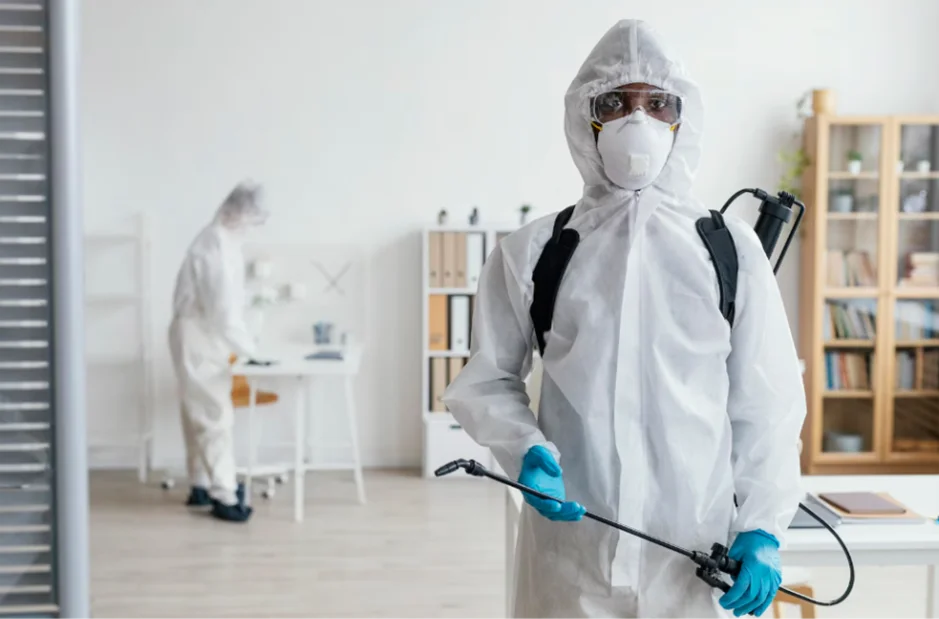
Homeowners who want professional information about indoor air quality can review the existing service resource. Compare any recommended work with independent guidance and choose a properly qualified provider.
Start by Controlling the Source
Removing or reducing a pollutant is often more effective than trying to filter it after it enters the air. The EPA describes source control as one of the main ways to improve indoor air.
Common sources include smoking, moisture leaks, unvented combustion appliances, strong solvents, paint, pesticides, candles, aerosol products, and materials that release chemicals.
Walk through your home and note where odors, visible moisture, smoke, or dust appear. The location and timing can help identify whether the source is cooking, cleaning, a damp room, renovation work, an appliance, or outdoor pollution entering the building.
Do not disturb material that might contain asbestos or lead. Testing and removal may require trained professionals because disturbing hazardous material can increase exposure.
Use Ventilation at the Right Time
Ventilation helps replace stale indoor air and dilute pollutants. Open windows and doors when the outdoor air is suitable and doing so is safe.
Outdoor ventilation is not always the correct answer. Keep windows closed when nearby wildfire smoke, heavy traffic pollution, high pollen, extreme humidity, or another outdoor source could make indoor conditions worse.
Use kitchen exhaust while cooking, especially with fuel-burning appliances. The fan should ideally move air outdoors rather than simply pass it through a recirculating filter.
Run a bathroom exhaust fan during bathing and for a suitable period afterward. This removes moisture before it condenses on walls, ceilings, windows, and other cool surfaces.
Control Moisture and Humidity
Moisture control is an important part of preventing mold. Repair roof, plumbing, window, basement, and appliance leaks instead of covering stains or repeatedly applying air freshener.
Condensation on windows, musty odors, peeling paint, and recurring dark patches can indicate excess moisture. A low-cost hygrometer can help you monitor relative humidity.
The EPA generally recommends keeping indoor humidity below 60% and ideally between 30% and 50% where possible. The right level may depend on climate, season, building design, and personal comfort.
Use a properly sized dehumidifier in damp spaces when necessary, and empty and clean it according to the manufacturer’s instructions. A dirty machine can develop its own moisture or contamination problems.
Respond to Mold Correctly
Mold needs moisture, so cleaning the visible surface without fixing the water source may not solve the problem. Find and repair the leak or humidity issue first.
Small areas may sometimes be cleaned by the homeowner using suitable protection and official guidance. Large growth, contaminated ventilation systems, recurring mold, or sewage-related water damage may require professional assessment.
Do not mix cleaning chemicals. In particular, combining bleach with ammonia or certain other products can release dangerous gases.
People with asthma, allergies, weakened immune systems, or other health concerns should ask a medical professional whether they should avoid mold cleanup.
Improve Cleaning Without Adding Pollution
Regular cleaning can reduce settled dust, pet dander, pollen, and other particles that may return to the air. Focus on floors, bedding, soft furniture, entry areas, and surfaces where dust collects.
Use a damp cloth rather than dry dusting when possible. Dry dusting can move fine particles back into the room instead of removing them.
A vacuum with a well-sealed design and suitable filter may help prevent collected particles from escaping. Follow the manufacturer’s instructions for emptying the bin or replacing the bag and filter.
Strong fragrance does not mean that a room is clean. Scented sprays, plug-ins, incense, and candles can introduce additional particles or chemicals, so reduce them if they cause irritation.
Choose Household Products Carefully
Cleaning products, paint, adhesives, pesticides, and renovation materials may release volatile organic compounds or other pollutants. Read the label before use.
Follow instructions for ventilation, protective equipment, storage, and disposal. Never use a product indoors if the label says it is intended only for outdoor use.
Choose lower-emission or fragrance-free products when they meet your needs, but do not assume that “natural” automatically means harmless. Products such as essential oils can still irritate some people or be unsafe around children and pets.
Keep chemicals in their original labeled containers and away from living areas when possible. Do not store fuel, gasoline-powered equipment, or open chemical containers inside occupied spaces.
Maintain Your HVAC System
Heating, ventilation, and air-conditioning systems move air through the home. Dirty filters, blocked vents, drainage problems, and poorly maintained equipment can reduce performance.
Use the filter type recommended for your system. A filter that creates too much airflow resistance may reduce efficiency or cause equipment problems.
The correct replacement schedule depends on the filter, system use, household conditions, renovation dust, pets, and manufacturer instructions. Check the filter regularly instead of applying one universal replacement rule to every home.
Schedule professional service when the system has unusual odors, noise, poor airflow, repeated shutdowns, visible contamination, or another operating problem. Fuel-burning equipment also requires appropriate safety maintenance.
Do Not Order Routine Duct Cleaning Without a Reason
Some homeowners assume that every dusty home needs complete air-duct cleaning. However, visible household dust alone does not prove that the ducts are the main source.
Professional investigation may be reasonable when there is confirmed mold growth inside hard-surface ducts, evidence of pests, or excessive debris that is entering rooms.
Ask the contractor to show clear evidence before approving expensive work. Be cautious about companies making broad health promises or claiming that every ventilation system needs annual duct cleaning.
Duct cleaning does not replace moisture repair, filter maintenance, source control, or proper ventilation. If the original cause remains, the problem may quickly return.
Choose an Air Cleaner by Room Size and Pollutant
Portable air cleaners can reduce certain airborne particles, but they cannot remove every pollutant. They should support source control and ventilation rather than replace them.
A useful comparison starts with the pollutant you want to reduce:
| Indoor problem | First action | Possible additional step |
|---|---|---|
| Cooking smoke | Use an outdoor-venting kitchen fan | Suitable particle filtration |
| Pet allergens | Clean surfaces and manage pet access | HEPA-based room air cleaner |
| Excess humidity | Repair leaks and improve moisture control | Correctly sized dehumidifier |
| Chemical fumes | Remove or reduce the product | Ventilate when outdoor air is safe |
| Carbon monoxide | Leave the area and get emergency help | Install and maintain CO alarms |
For particle removal, check the clean air delivery rate and recommended room size. A unit designed for a small bedroom may not clean a large open living area effectively.
Gas and odor removal requires different filter media from particle removal. A basic particle filter should not be expected to remove all gases or volatile chemicals.
Avoid Ozone-Producing Air Cleaners
Be cautious when a device claims to clean the air by producing ozone. Ozone can irritate the lungs and is not a safe general solution for occupied rooms.
The EPA states that no federal government agency has approved ozone generators for use in occupied spaces. Some ionizing products may also produce ozone as a by-product.
Review the exact technology before buying. Marketing terms such as “activated oxygen,” “energized air,” or “fresh-air ions” may not clearly explain what the device releases.
Select equipment with transparent specifications from an established manufacturer. Avoid products that promise to remove every pollutant, kill all germs, and solve allergies without other changes.
Install and Maintain Carbon Monoxide Alarms
Carbon monoxide is a colorless and odorless gas. It can be produced by fuel-burning furnaces, generators, vehicles, grills, fireplaces, stoves, and other combustion equipment.
Install carbon monoxide alarms according to local building rules and manufacturer directions. Test and replace alarms and batteries at the recommended times.
The CDC’s carbon monoxide guidance recommends considering a detector with a digital display and replacing the device according to its instructions or every five years.
Never operate a portable generator inside a home, garage, basement, or other enclosed area. The CDC says generators should remain outdoors at least 20 feet from doors, windows, and vents.
If a carbon monoxide alarm sounds, move everyone and pets into fresh outdoor air and contact emergency services. Do not remain inside trying to find the source yourself.
Treat Houseplants as Decoration, Not Equipment
Houseplants can make a room more pleasant, but a few indoor plants should not be treated as a replacement for ventilation, source removal, or mechanical filtration.
Damp potting soil may support mold growth, and overwatering can add unwanted moisture. Some plants are also toxic to children or pets.
Choose plants because they suit your space and can be maintained safely. Do not depend on marketing claims that a small number of plants will remove all indoor pollution.
A plant may support wellbeing as part of the room design, but it is not a carbon monoxide alarm, exhaust fan, dehumidifier, or air cleaner.
Adjust Your Plan by Season
Indoor air conditions change through the year. Winter may bring closed windows and increased combustion, while warm seasons can introduce humidity, pollen, wildfire smoke, or outdoor ozone.
Check local outdoor air-quality reports before opening windows during smoke or pollution events. On bad-air days, close openings and use suitable filtration if available.
During high-pollen periods, change clothes after spending time outdoors and avoid drying bedding outside if pollen causes symptoms. Clean entry areas so outdoor particles are not spread through the home.
During humid weather, monitor basements, bathrooms, and other moisture-prone areas. In cold weather, watch for condensation and safely maintain fuel-burning heating equipment.
Use Air Monitors With Realistic Expectations
Consumer air monitors may measure particles, carbon dioxide, humidity, temperature, or some gases. Their accuracy and supported measurements vary.
A monitor can show patterns, such as particle levels rising during cooking or humidity increasing after a shower. This information may help you test whether ventilation or another change is working.
However, one consumer device cannot identify every pollutant or diagnose a medical condition. Some products estimate values rather than directly measuring them.
Use the monitor as a decision-support tool, not proof that the home is completely safe. Professional testing may be necessary when a serious pollutant or building problem is suspected.
A Practical Home Air Checklist
Begin with a simple monthly review:
- Look for water leaks, condensation, and musty odors.
- Check HVAC filters and exhaust fans.
- Confirm that vents are not blocked.
- Test smoke and carbon monoxide alarms as directed.
- Review air-cleaner and dehumidifier maintenance.
- Check stored paints, fuels, and cleaning chemicals.
- Notice whether symptoms appear in one room or at one time.
Record recurring problems and any steps taken. This can help a qualified HVAC technician, building professional, or medical provider understand the situation.
Final Thoughts
Better indoor air begins with identifying and reducing pollution at its source. Safe ventilation, moisture control, regular cleaning, suitable filtration, and properly maintained equipment provide the next layers of protection.
Do not depend on fragrance, houseplants, an ozone generator, or a single air purifier to correct every problem. Match each solution to the pollutant you are trying to control.
Start today by checking for moisture, inspecting the HVAC filter, using exhaust fans, and confirming that carbon monoxide alarms work. These practical actions provide more value than buying products without first understanding the source.