There’s usually a moment. Not a big one. Nothing dramatic. Just… a pause. It happens in tight spaces. Near the bed. Sometimes halfway between the chair and the bathroom. Someone adjusts their footing. Someone else says, “Wait, just a second.”
And that’s often where the idea of standing hoists starts to feel less like “equipment” and more like… maybe something we should’ve looked at earlier.
It’s Not Always About Strength. It’s the Setup
People talk about mobility like it’s only about the person. Strength. Balance. Recovery. But walk into an actual home and you start noticing other things. The angle of the bed. The chair that’s slightly too low. The rug that shifts just enough to be annoying.
Little things. Put them together and suddenly transfers feel harder than they should. That’s where standing hoists come in. Not as some big solution. More like a quiet adjustment to everything happening around the person.
Mornings Tell the Truth
Morning routines don’t hide much. There’s stiffness. Sometimes a bit of impatience. No one wants a complicated start to the day, especially not something that takes extra effort before coffee.
Without the right setup, transfers can feel… off. Not unsafe exactly. Just not smooth. Then, standing hoists get introduced.
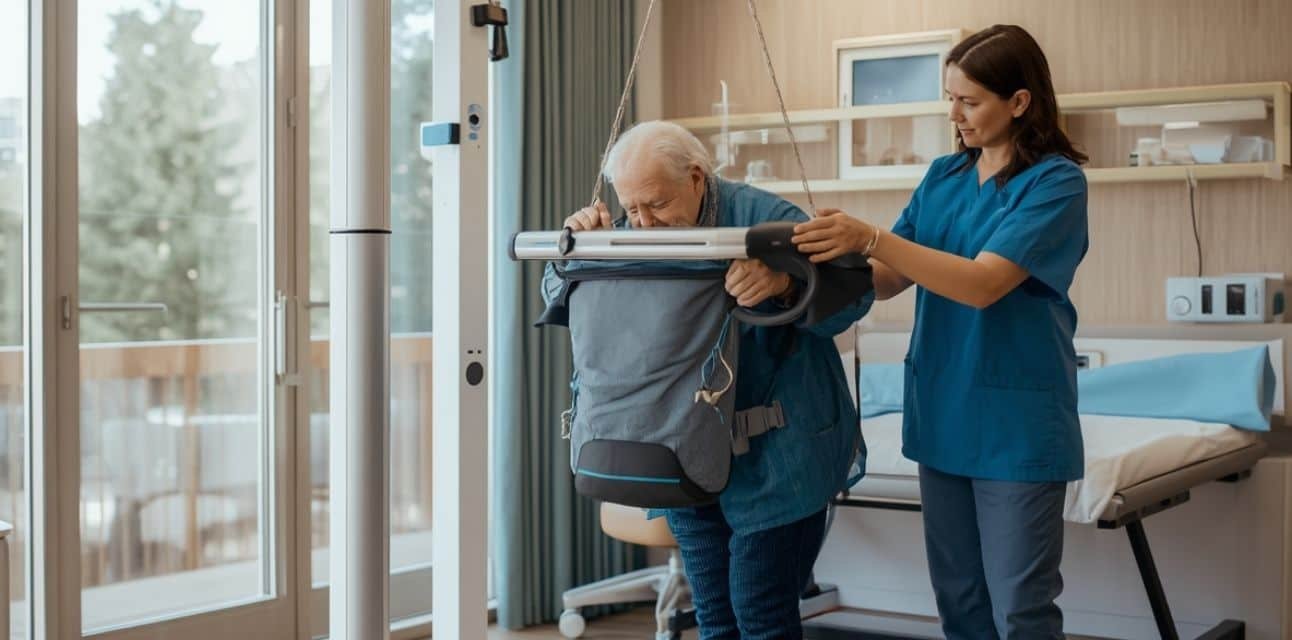
At first, it’s a bit clunky. Takes longer. Feels unfamiliar. But after a few days, things start to settle. Movements become more predictable. Less strain. Fewer awkward pauses. It’s subtle. You almost miss it if you’re not paying attention.
Homes Weren’t Built for This. Most Aren’t
This comes up a lot. Homes are designed for living, not for assisted movement. So you get narrow doorways, crowded bedrooms, and furniture placed for looks rather than function.
And then care needs change. Now you’re trying to fit movement, support, safety… into a space that wasn’t designed for any of it.
So when standing hoists arrive, it’s not just plug-and-play. There’s a bit of reshuffling. A chair moves. A table disappears. Sometimes the whole room layout shifts slightly. It doesn’t look like much. But it changes how things flow.
The First Few Uses Feel a Bit Awkward
No one really talks about this part. The first few times using standing hoists, there’s hesitation. From everyone. “Am I doing this right?” “Does this feel okay?”
Movements are slower. More cautious. But then there’s usually a moment. A small one. A transfer that just… works. No adjustments halfway through. No second-guessing. And that’s when things start to click.
Support Workers Pick Up on the Small Stuff
Ask any experienced support worker, and they’ll tell you, it’s not just about getting from A to B. It’s how it happens. Is the person steady? Are they tensing up? Is the movement smooth or slightly jerky?
And honestly, a lot of them end up preferring standing hoists for one simple reason. Consistency. Not easier. Just more reliable.
The Quiet Wins
Not everything shows up in reports. Some things are easy to miss unless you’re there every day. Like:
- Not needing to stop halfway through a transfer
- Less readjusting of feet and hands
- A support worker not rubbing their lower back at the end of a shift
Small things. But they build up over time. And that’s where standing hoists start to feel like they’re actually doing something meaningful.
Families Notice the Shift Too
Families usually carry a bit of tension around care. Even when everything is going fine, there’s still that background worry. About safety. About strain. About what happens if something goes wrong.
When standing hoists come in, it doesn’t erase those concerns. But it softens them. You hear fewer “be careful” comments. Fewer interruptions during transfers. It’s not dramatic. Just… a bit calmer.
It Takes a Bit of Trial and Error
Here’s the thing. Not every setup works straight away. Different homes. Different bodies. Different needs. So with standing hoists, there’s usually a bit of adjusting at the start. Height changes. Sling tweaks. Positioning.
Sometimes it feels like too many small details. But once it’s dialed in, everything runs smoother.
Confidence Changes, Quietly
This one’s harder to explain. When transfers feel stable, people start to trust the process more. They hesitate less. They move with a bit more certainty.
And that confidence doesn’t stay limited to transfers. It carries over. Into how they approach the rest of the day. That’s one of the less obvious effects of using standing hoists.
At Some Point, It Just Becomes Normal
There’s a stage where no one talks about it anymore. The hoist is just… there. Part of the routine. Like the chair. The bed. The morning schedule.
And that’s probably when you know it’s working. Because standing hoists stop feeling like an “addition” and start feeling like something that should’ve been there all along.
The Space Starts to Make Sense Again
This might be the biggest shift. When things are set up properly, the home feels easier to move through. Less friction. Fewer awkward angles.
It’s not perfect. It never is. But it works better. And in a lot of cases, standing hoists are part of that change. Not the whole answer. Just one piece that makes everything else a bit more manageable.
Just an Observation
People don’t usually think about space until it stops working. And they don’t think about equipment until they need it. But somewhere in between, there’s this phase where things feel slightly harder than they should.
That’s usually where standing hoists from CHS Healthcare fit in. Not as a big fix. Just something that makes everyday moments a little less complicated.