In Newark, residents depend on a strong network of hospitals, specialists, and healthcare providers to deliver safe and reliable medical care. As one of New Jersey’s largest cities, Newark’s healthcare system serves a diverse population, making trust between patients and providers essential. When that trust is broken due to preventable medical errors, the consequences can affect every aspect of a person’s life, from their physical well-being to their financial stability.
For many families, pursuing legal action becomes an important step toward understanding what happened and securing the support they need to move forward. Legal claims can also encourage accountability and improvements within local healthcare institutions. Experienced legal advocates, including O’Connor, Parsons, Lane & Noble, help victims navigate these complex situations and protect their rights during difficult times.
Understanding Medical Malpractice
Medical malpractice occurs where healthcare professionals provide care that falls below the accepted standard, resulting in injury or harm. These incidents may arise from surgical errors, wrong or delayed diagnoses, or mistakes in prescribing the right medication. As a result, victims often suffer from physical pain as well as emotional distress. The effects can also extend to their daily lives and impact their loved ones. Acknowledging malpractice is the first step toward healing and holding the responsible parties accountable.
The Importance of Legal Assistance
Lawyers can help to simplify this complicated process. Experienced attorneys evaluate the details of each case to determine whether malpractice may have occurred. Many victims are unclear on their legal rights after such an event. Consulting a legal expert helps the injured or damaged parties understand their options and make informed decisions.
Establishing Accountability
Holding healthcare providers accountable serves multiple purposes. First, it recognizes the pain and harm suffered by the victim. Second, it promotes higher standards within the medical profession. Civil actions draw attention to areas of improvement, leading to safer hospitals and clinics. Accountability ensures that mistakes do not go unaddressed, helping reduce the risk of similar incidents in the future.
Compensation for Damages
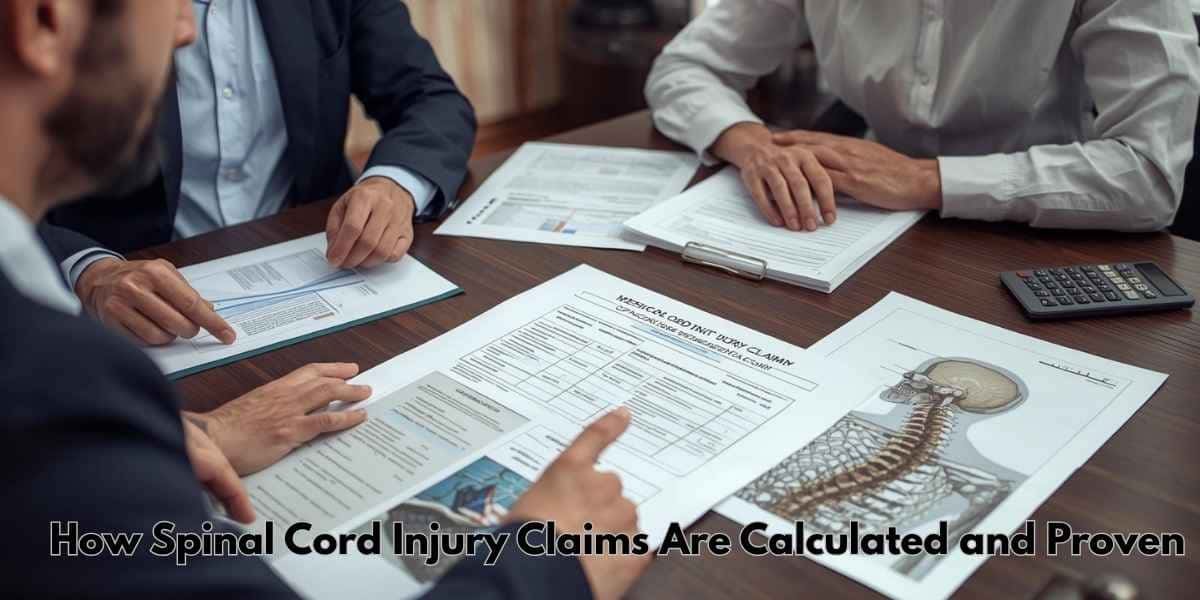
Financial compensation is often the most important component of a medical malpractice claim. Victims may face significant expenses, including medical bills, rehabilitation costs, and lost wages. Compensation can help pay for these expenses and provide stability during recovery. In addition to economic losses, damages may also address pain, emotional distress, and reduced quality of life. This support helps victims move forward with greater security.
Emotional Support and Validation
Seeking legal action provides more than monetary comfort—it also offers emotional validation. Many people feel isolated or stressed after experiencing medical negligence. Pursuing a claim allows their experienced to be acknowledged and validated. Being heard and supported can help restore confidence and promote emotional healing and resilience.
Promoting Systemic Change
Legal cases often highlight patterns or systemic issues within healthcare settings. Through litigation, repeated errors or unsafe conditions become visible to the public and authorities. This exposure encourages healthcare providers to review and update their practices. Efforts to improve training, communication, and safety protocols can emerge from these legal outcomes. Ultimately, pursuing justice contributes to safer healthcare for everyone.
Also Read this: Little Minaxo: Key Evidence Needed in Dog Bite Injury Cases
Educating the Public
High-profile cases bring public attention to medical malpractice and patient rights. Media attention and dissemination of information contribute to the communities’ awareness of risks and protection strategies. Increased awareness empowers patients to ask questions, seek second opinions, and recognize warning signs. Education plays a crucial role in improving patient safety and confidence.
The Role of Evidence
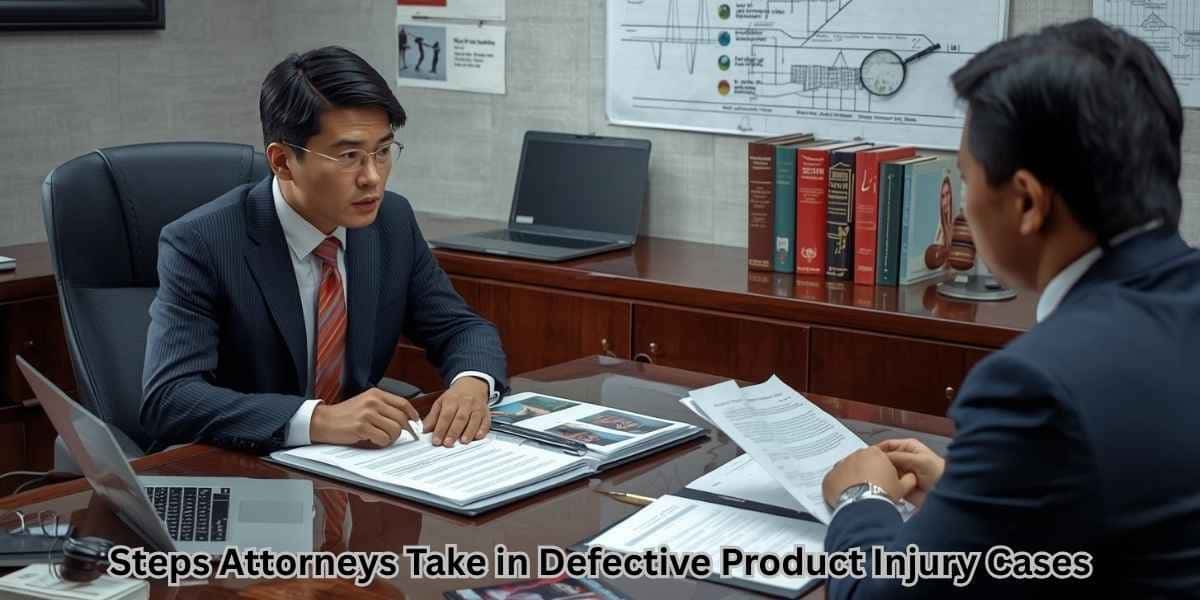
Comprehensive documentation is essential for establishing a strong legal case. Medical records, witness statements, and expert opinions help establish what occurred and whether medical negligence was involved. Careful documentation ensures that the facts are clearly presented. This evidence supports the victim’s claims.
Overcoming Challenges
Filing a lawsuit comes with its own set of challenges. Victims may feel overwhelmed with paperwork, deadlines, or resistance from healthcare providers. Attorneys provide helpful advice and help people make informed choices under the law. With their support, it becomes easier for people file and pursue their claims with greater clarity and confidence.
Conclusion
Legal action provides an important path for victims of medical malpractice to seek justice and recovery. It helps ensure accountability, offers financial relief, and supports emotional healing. Beyond individual cases, legal claims contribute to improved healthcare standards and greater patient safety. With the right information and professional guidance, victims can take meaningful steps toward resolution and a more secure future.