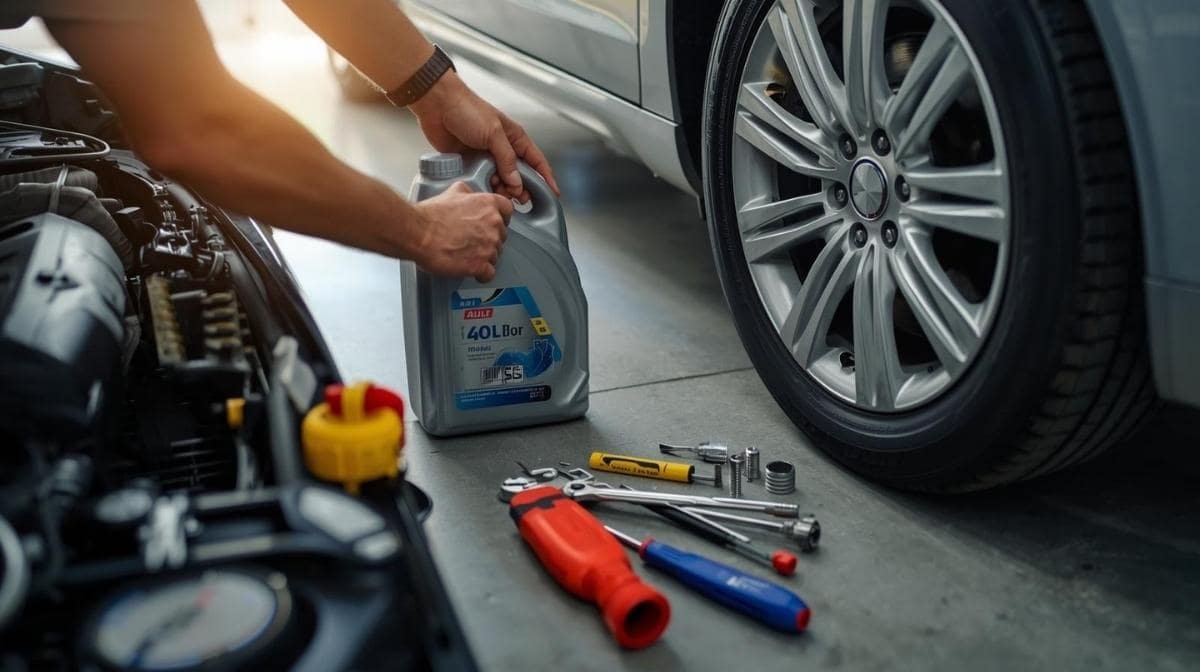
Keeping your vehicle in top condition isn’t just about making it run smoothly—it’s one of the smartest financial decisions any driver can make. Whether you drive your car daily or only on weekends, wear and tear slowly builds up. Small issues turn into big problems, and before you know it, you’re stuck with costly repairs or a sudden breakdown. But with the right maintenance habits and a reliable auto repair shop by your side, you can avoid unnecessary expenses, improve your driving experience, and extend the life of your vehicle.
A trusted service center—such as Central Avenue Automotive in Kent, WA—plays a major role in helping drivers stay on top of essential maintenance. Understanding how maintenance works, what tasks matter most, and when to get professional help can dramatically reduce stress and repair costs. This article provides a complete guide to smart auto care, helping you stay safe on the road while protecting your budget.
The Importance of Regular Vehicle Maintenance
Many drivers only visit an auto shop when something breaks. Unfortunately, waiting for a breakdown often results in higher repair bills and inconvenient downtime. Regular maintenance, on the other hand, keeps your vehicle healthy, reliable, and fuel-efficient. Here’s why it matters.
1. Extend Your Vehicle’s Lifespan
A car that receives consistent care will last significantly longer than one that’s ignored. Routine tasks such as oil changes, filter replacements, and fluid flushes prevent harmful buildup inside your engine. Clean, fresh oil keeps internal parts lubricated and reduces friction, preventing unnecessary wear. Ignoring maintenance, however, allows sludge to accumulate and can eventually lead to engine failure—a costly repair no driver wants.
2. Improve Fuel Efficiency
Good maintenance directly affects your fuel economy. A clogged air filter, under-inflated tires, or dirty spark plugs forces your engine to work harder, burning more fuel than necessary. By keeping these components in good condition, you can enjoy smoother performance and lower gas expenses—especially helpful when fuel prices rise.
3. Avoid Major Repair Costs
One of the biggest advantages of preventive maintenance is cost savings. Small problems—like a minor oil leak, a worn belt, or a loose part—can be fixed quickly and inexpensively when caught early. But if ignored, these issues grow into much larger and more expensive repairs. A $20 part today could become a $700 repair down the line if it fails while driving.
4. Maintain Safety Standards
Brakes, suspension components, tires, and steering systems can all wear out over time. Regular inspections are essential for your safety and the safety of others on the road. A well-maintained vehicle responds better, stops quicker, and handles more predictably in all types of driving conditions.
5. Increase Resale Value
A vehicle with a complete maintenance history is far more attractive to potential buyers. When you can show consistent upkeep, buyers gain confidence that the vehicle is reliable, which can increase its resale value. Regular maintenance isn’t just a cost—it’s an investment that pays off later.
6. Protect Your Warranty
Most vehicle warranties require that the owner follow the recommended maintenance schedule. Missing key services can void your warranty, leaving you responsible for repair costs that would have otherwise been covered. Staying on schedule keeps your vehicle protected and ensures you get full value from your warranty.
Essential Maintenance Tasks Every Driver Should Prioritize
Keeping your car in great condition doesn’t have to be complicated. Here are the most important maintenance tasks that should never be skipped:
1. Oil and Filter Changes
Oil is the lifeblood of your engine. Without clean oil, your engine can overheat, lose performance, and suffer internal damage. Most vehicles require oil changes every 3,000 to 7,500 miles, depending on driving habits and oil type. Replacing the oil filter at the same time ensures impurities don’t circulate back into the engine.
2. Tire Care and Rotation
Proper tire maintenance boosts safety, handling, and fuel economy. Key tasks include:
- Tire rotation every 5,000 to 7,500 miles
- Checking tire pressure monthly
- Wheel alignment once per year or when the vehicle pulls to one side
- Tread depth inspection for optimal grip and braking ability
Uneven tire wear can lead to blowouts, poor handling, and costly tire replacement.
3. Brake System Inspection
The brake system is one of the most important safety components on your vehicle. Have your brakes inspected at least once per year—or immediately if you notice squeaking, grinding, or reduced stopping power. Replacing brake pads early prevents damage to the rotors, which are far more expensive to repair or replace.
4. Fluid Checks and Top-Offs
Your vehicle relies on multiple fluids to run safely and efficiently:
- Engine coolant
- Transmission fluid
- Brake fluid
- Power steering fluid
- Windshield washer fluid
Each fluid serves a critical function, and low levels can cause major damage or safety issues. Checking them regularly helps prevent unexpected failures.
5. Air Filter Replacements
A clean air filter ensures your engine gets adequate airflow, allowing it to burn fuel efficiently. Similarly, the cabin air filter protects you from dust, allergens, and pollutants while driving. Both filters should typically be replaced once a year.
6. Battery Maintenance
Your battery powers everything from ignition to electronics. Over time, corrosion and age reduce its performance. Have your battery tested once per year and replaced every 3–5 years to avoid sudden failure.
7. Belts and Hoses Inspection
Rubber belts and hoses degrade over time due to heat and wear. A broken belt can shut down your alternator, air conditioning, or even your entire engine. Inspecting belts and hoses during routine service prevents these sudden breakdowns.
8. Regular Tune-Ups
A tune-up helps your engine run smoothly by replacing spark plugs, cleaning the fuel system, and ensuring proper ignition timing. Cars with rough idling, poor acceleration, or decreased fuel efficiency often benefit greatly from a tune-up.
DIY Maintenance vs. Professional Service: What’s Best?
Some maintenance tasks are simple and safe enough for drivers to handle on their own—checking tire pressure, topping off washer fluid, or replacing wiper blades. However, many tasks should be left to professionals.
When DIY Is Appropriate
- Checking oil level
- Replacing wiper blades
- Filling washer fluid
- Inspecting tire pressure
- Cleaning battery terminals
These are low-risk tasks that most drivers can perform with basic tools.
When to Visit a Professional
Some tasks require advanced knowledge, tools, or diagnostic equipment. For example:
- Brake repairs
- Transmission service
- Engine diagnostics
- Wheel alignment
- Suspension repairs
- Electrical system troubleshooting
This is where choosing a trusted shop becomes essential. Professional mechanics ensure repairs are done correctly, safely, and with quality parts.
A reputable shop like Central Avenue Automotive offers expert diagnostics, transparent communication, and professional service—giving you peace of mind that your vehicle is in good hands.
How a Reliable Auto Repair Shop Saves You Time and Money
Choosing a trustworthy auto repair shop is one of the most important decisions a car owner can make. The right shop can significantly reduce long-term maintenance costs and improve the reliability of your vehicle.
1. Accurate Diagnoses Prevent Costly Mistakes
Experienced technicians know how to pinpoint the root cause of a problem. Misdiagnosing an issue can lead to unnecessary repairs, wasted money, and repeated visits. A reliable shop uses advanced diagnostic tools to get it right the first time.
2. Preventive Maintenance Plans
A reputable automotive center will help you create a personalized maintenance schedule based on your vehicle, driving habits, and mileage. This encourages regular checkups that prevent expensive breakdowns.
3. High-Quality Parts and Repairs
Trusted shops use premium parts, ensuring durability and better long-term performance. Cheap or incorrect parts often cause more problems and lead to repeat repairs.
4. Transparency and Trust
A good auto repair shop provides clear estimates, explains recommended services, and offers honest advice. This transparency helps you make informed decisions and avoid unnecessary expenses.
5. Long-Term Savings
When your vehicle gets consistent, professional care, you avoid:
- Emergency repairs
- Towing costs
- Frequent part replacements
- Major system failures
This is why choosing a shop like Central Avenue Automotive can make a significant difference in overall ownership costs.
Tips for Choosing the Right Auto Repair Shop
Looking for a repair shop you can rely on? Keep these tips in mind to ensure you pick the best option for your vehicle:
1. Check Certifications and Experience
ASE-certified technicians demonstrate professional training and skill. Experience matters—especially with newer vehicles that rely heavily on advanced technology.
2. Read Customer Reviews
Online reviews offer insight into customer satisfaction, service quality, and reliability. Consistently positive feedback is a great sign.
3. Ask About Warranty Options
Shops that stand behind their work offer warranties on parts and labor. This reflects confidence in their service quality.
4. Look for Clear, Honest Communication
A trustworthy shop will explain repairs clearly, provide estimates upfront, and answer all your questions without pressure.
5. Assess Their Range of Services
A shop that handles everything from maintenance to complex repairs saves you time and ensures consistent care.
6. Evaluate Customer Service
Friendly staff, clean facilities, and efficient processes often indicate professional and reliable service.
Final Thoughts
Regular vehicle maintenance is one of the smartest ways to protect your investment, avoid breakdowns, and save money on costly repairs. Whether you’re focused on safety, performance, or long-term savings, staying proactive with auto care makes driving more enjoyable and less stressful.
Partnering with a reputable service center—such as Central Avenue Automotive—ensures your vehicle receives the expert attention it deserves. With the right maintenance habits and a reliable repair team, you can keep your car running smoothly for many years to come.