
Let’s be honest: few things are more frustrating than trying to track down a technician for a damaged, barely legible piece of paper.
You’ve got jobs scheduled back-to-back, your trucks are rolling, and small mistakes are just waiting to turn into expensive headaches. In the high-voltage world of electrical service, reports aren’t just boring office paperwork. When done right, they are your secret weapon.
But here’s the kicker: most reports are way too complicated. They ask for everything but the kitchen sink, and what do you get? Blank fields and grumpy technicians.
Simple reports help your team work safer, faster, and dare I say it, happier. They give you the visibility you need without slowing anyone down. Let’s break down why simpler is better and how you can turn everyday job data into a goldmine for your business.
Why Complexity is the Enemy of Progress
We’ve all been there. You want better data, so you build a form that’s longer than a CVS receipt. It starts with good intentions! You want to know everything. But then reality hits.
Over time, your techs start rushing through the forms. They skip details. They scribble illegible notes. When reports are too complex, three things happen like clockwork:
- It feels like busywork: technicians see reporting as a nuisance, not a part of the job.
- Data gets messy: you end up with inconsistent or incomplete info that helps absolutely no one.
- Trust evaporates: Managers (that’s you!) stop trusting the reports because they’re half-baked.
Simple reports fix this mess. They focus on the stuff that actually matters the information that drives action. Instead of asking for a novel, they ask the right questions.
Here’s a golden rule to live by: If a report doesn’t change a decision, it doesn’t belong in the report.
What “Simple” Actually Means for Sparkies
Now, when I say “simple,” I don’t mean lazy or sloppy. I mean structured, focused, and actually doable when you’re standing on a ladder in a dark basement.
For electrical teams, simple reports usually look like this:
- Clear Context: Location, service type, and job status are front and center.
- Short Checklists: No more open-ended essays. Just tick the box and move on.
- Photo Evidence: A picture is worth a thousand words (and saves a thousand arguments).
- Consistency: Every job looks the same, making it easy to spot what’s missing.
When your technicians know exactly what you expect, guess what? They actually do it! Completion rates go up, and suddenly, you can spot patterns across jobs because the data all look the same.
The Magic of Simple Reporting
So, you strip back the fluff. What do you actually get out of it? A whole lot of wins.
1. Accountability Without the Hovering
Nobody likes a micromanager. Simple reports create natural accountability. When a technician documents their work clearly and consistently, everyone knows the score without you having to nag them.
A service manager reviewing these reports can quickly answer the big questions:
- Did they finish the work as quoted?
- Did they do the safety checks?
- Did they flag any follow-up work?
This creates a culture where techs know their work is visible, but they don’t feel like Big Brother is watching every move.
2. Spotting Issues Before They Explode
Small issues are sneaky. They rarely show up in a single report. But if you have consistent data, patterns start to emerge.
If three different jobs note delays because of access issues or recurring electrical faults, you can fix the root cause instead of just putting out fires job by job. This is huge for identifying training gaps, broken processes, or even difficult customer sites.
Without clean, consistent reporting, these insights stay hidden in the dark.
3. Safety That Actually Stick
Electrical work isn’t a game; it carries real risks. Reports are your shield for documenting compliance and protecting the business (and your team!).
Simple safety reporting focuses on confirmation, not creative writing. We’re talking checkboxes for safety steps, mandatory photos, and clear sign-offs. It reduces ambiguity. When audits or disputes pop up, and they will, having standardized safety documentation is like having a get-out-of-jail-free card.
4. Happy Customers, Fewer Callbacks
Customers might never see your internal reports, but they definitely feel the results.
Clear documentation improves follow-through. When notes are easy to read, the next technician or the office staff can pick up exactly where the last guy left off. That leads to fewer missed details, better communication, and way fewer repeat visits caused by confusion.
Over time, this builds trust. And trust pays the bills.
The Only Reports You Really Need
You don’t need a hundred different forms. You need these core ones:
Job Completion Reports
This is your bread and butter. It confirms what was done, what wasn’t done, and what happens next. Keep it focused on services performed, issues found, and recommendations. Avoid turning it into a technical manual. Clarity beats detail overload every time.
Time and Labor Summaries
Simple time tracking helps you understand labor efficiency without being invasive. When you pair this with job types, you can see which services take longer than expected and where your scheduling assumptions are falling apart. The goal is insight, not surveillance!
Safety and Compliance Checklists
These should be non-negotiable. The simpler they are, the more reliably they get done. Short, repeatable checklists work best, especially when you pair them with photo proof.
Customer Sign-off
Close the loop! A simple section where the customer acknowledges the work helps reduce disputes and screams “professionalism.”
Making It Part of the Flow
The biggest mistake companies make is treating reporting as a separate task. High-performing teams bake it right into the workflow.
Reports should be done as part of closing a job, not as an afterthought when the tech is sitting in the driveway at 5 PM. When your reporting tools match how your technicians actually work, it becomes second nature.
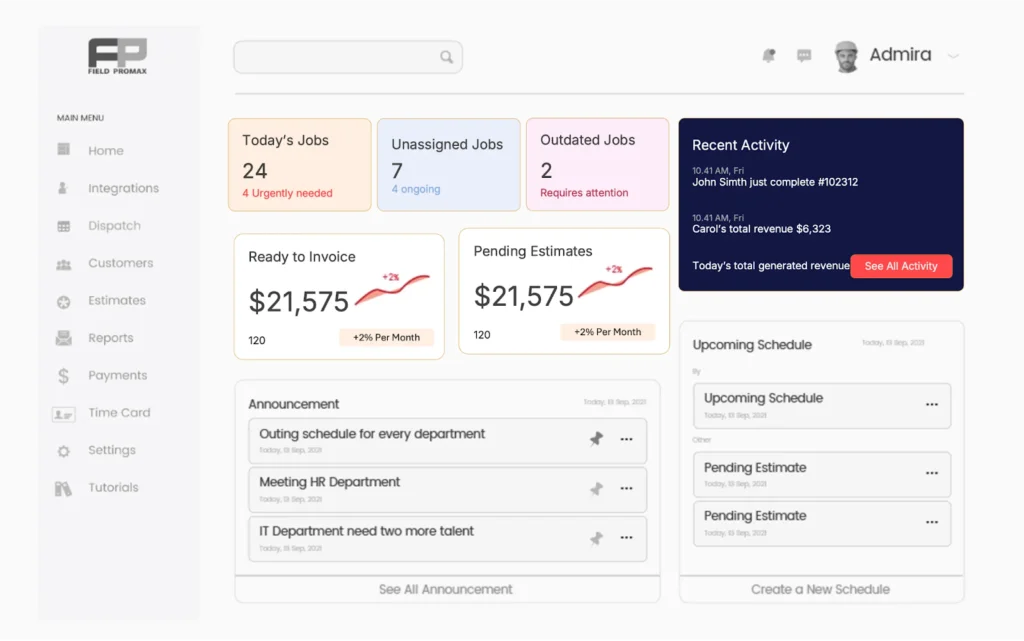
Many electrical teams use platforms like Field Promax to standardize this stuff without overwhelming the crew. With digital work orders, reporting becomes just another step in the job, not extra admin work.
Imagine a world where your technicians spend less time writing notes, managers review jobs in minutes, and follow-up work is clearly flagged. That’s the dream, right?
Don’t Fall into These Traps
Ready to simplify? Awesome. Just watch out for these potholes:
- Cutting Too Much: Oversimplifying is dangerous. Don’t remove critical safety info or job context just to make it short. It’s about balance.
- Ignoring Feedback: Your technicians know what slows them down. Ask them! If they understand why a field exists, they’ll actually fill it out.
- Not Reading the Data: Reports only help if someone looks at them. Set aside time weekly to review patterns, not just individual jobs.
Final Takeaway
Simple reports aren’t about cutting corners. They are about sharpening your focus.
When electrical teams use clear, consistent reports, performance improves naturally. Technicians work with confidence. Managers make better decisions. Customers experience smoother service.
If your reports feel like a heavy burden today, that is a giant neon sign telling you to simplify. The right reports don’t slow your team down; they help your business move forward.
Ready to stop the paperwork madness? Check out how reporting fits into a connected workflow at Field Promax. Your future self (and your sanity) will thank you!
Frequently Asked Questions
1. What should an electrical service report include?
Keep it tight! It needs to clearly document the work completed, safety checks performed, any issues found, and recommended next steps. The best reports are short and structured so technicians can breeze through them while still giving you the full picture.
2. How do simple reports improve technician productivity?
They cut the fluff. Simple reports reduce the time spent on paperwork and eliminate confusion about what needs to be documented. When reporting is fast and consistent, technicians can focus on being electricians, not data entry clerks.
3. Are job reports really necessary for small electrical businesses?
Absolutely! Even small shops benefit from consistency and accountability. Clear reports help you track performance, reduce callbacks, and address customer questions without relying on memory or hearsay.
4. How can electrical companies standardize reporting across teams?
Use the same structure for every job. Many teams rely on field service software like Field Promax to ensure technicians follow the same format every single time. It makes reviews faster and keeps everyone on the same page.
Click here for more interested blogs: little mina xo