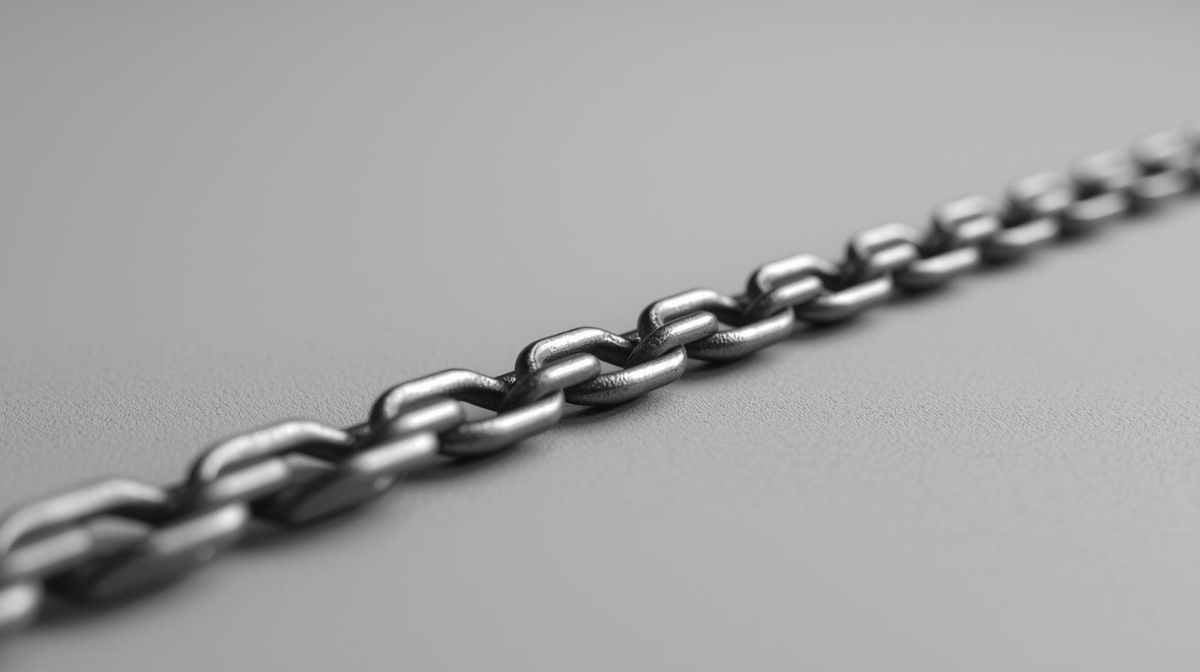
Grade 120 chain technology is the strongest lifting standard available in Australia today. These chains offer a breaking force that is more than 50% higher and are almost one-third lighter than traditional Grade 80 chains of equivalent capacity.
Now, we at RUD Chains manufacture ICE Grade 120 chains at our Brisbane facility specifically for Australian mining, defence, and infrastructure operations. So we understand the practical realities of working with lifting gear on site.
In this guide, we’ll cover:
- The strength and weight improvements in Grade 120 chains
- Patented steel’s resistance to rough Australian conditions
- Monitoring innovations that prevent chain failures
- Manufacturing and testing processes
Read on to learn what makes Grade 120 technology different and why it’s important for your operations.
What Strength and Weight Improvements Does Grade 120 Provide?
As we’ve mentioned before, a Grade 120 chain delivers up to a 60% increase in breaking force compared with a Grade 80 chain. At the same time, it reduces the chain weight by more than 30%. This combination of greater strength and reduced weight assures improved lifting capacity and efficiency on site.
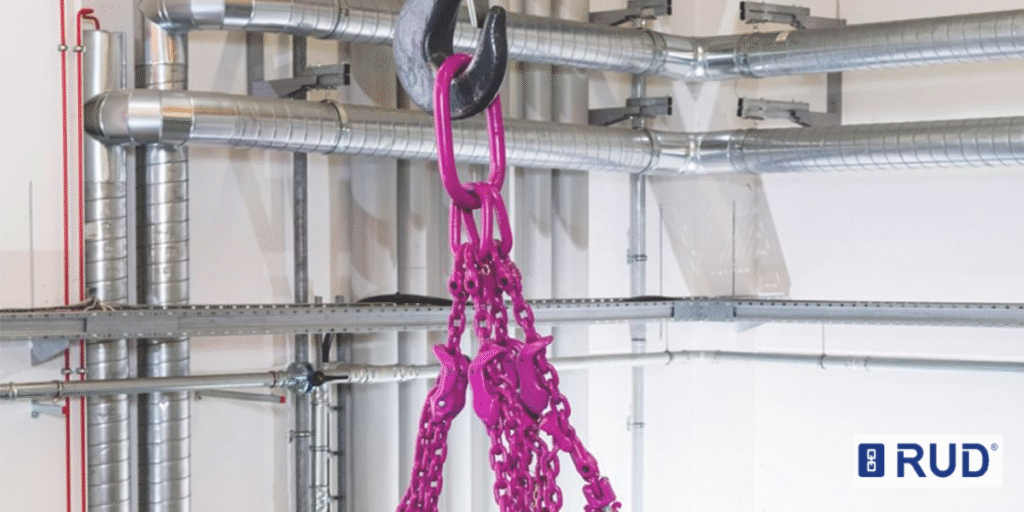
Here are some important characteristics of these ICE-round steel chains:
- Approved Temperature Range: You might be wondering how tough a lifting chain need to be out in the real world? Simply put, an ICE Grade 120 operates from -60°C to +300°C, so it remains durable in both extreme cold and high heat.
- Patented ICE Alloy: RUD uses a patented ICE alloy to make the chain, and the tough metal gives it a strong, hard structure that holds up in difficult jobs. This performance reflects the company’s advanced development in lifting technologies.
- Proof-Load Testing in Brisbane: Every ICE chain and chain sling starts its journey at RUD’s Brisbane facility. The team puts care and extra effort into checking each one from top to bottom.
- Downsizing Capability: ICE Grade 120 in any size can step in for a Grade 80 chain that’s one size bigger, and it still meets the Working Load Limit (WLL) crews need for the job. This downsizing capability also helps simplify lashing solutions on site.
Big lifts, tight space, bad weather; whatever shows up, ICE Grade 120 doesn’t back down.
How Does Patented Steel Resist Harsh Australian Conditions?
Patented steel resists harsh Australian conditions by preventing hydrogen embrittlement and maintaining strength under extreme temperatures. That kind of toughness will help your crew feel safer when things get rough.
Let’s get into more detail about the ways patented steel helps.
Hydrogen Embrittlement Resistance in Alloy Chains
RUD uses a patented material to make its ICE components, and this tough steel is insensitive to hydrogen embrittlement. The tempering process builds a fine-grain structure with high hardness, which strengthens these quality RUD ICE components under demanding conditions.
For instance, in corrosive mining environments (like underground operations with groundwater exposure or coastal sites with salt spray), standard Grade 80 chains start to fade. However, ICE products keep their shape and strength for much longer.
Extreme Temperature Performance From -60°C to +300°C
We’ve already talked about how ICE Grade 120 keeps working in both freezing conditions and high-heat jobs. The wide temperature range suits cold-storage sites, hot steelworks, and busy foundries, so the chain stays useful wherever crews need it.
Now, you might not see 60°C often in Australia, but the upper range of +300°C is important here. For example, equipment working near furnaces, hot metal handling, or even sitting in direct sun on a Port of Brisbane wharf in summer, all benefit from the high heat tolerance.
Pro tip: If your site uses greases or lubricants, check compatibility with chain coatings. The wrong compound can soften paint and hide heat damage (we talk about these indicators next).
What Monitoring Innovations Prevent Chain Failures?
Monitoring innovations like colour chemistry and digital tracking systems help prevent chain failures. These systems alert operators when a chain has been exposed to dangerous temperatures or needs replacement.
RUD developed the two monitoring systems below to improve overall safety:
- ICE-Pink Temperature Indicator Coating: The ICE-Pink coating changes colour when the chain reaches temperatures above 300°C. It switches to a brown-black tone that signals overheating. Managers can detect the colour change during inspections, which helps them remove heat-damaged chains before any accident takes place.
- RUD-ID-TAG RFID Tracking System: The RUD-ID-TAG system places an RFID transponder inside the component so inspectors can identify the chain quickly with a scanner. The digital record keeps everything organised in one place, and that makes managing a large batch of sling much less stressful.
It’s a simple way to keep the day running smoother and the lifts running safer.
How Does RUD Manufacture Grade 120 Chains in Brisbane?
RUD Australia manufactures and proof loads all ICE Grade 120 chain slings at its 6,000 m² Brisbane facility, and the local company builds them for actual Aussie conditions. But every chain sling goes through a test before it leaves the building.
Here’s how the team keeps the process simple: they load each sling with twice its maximum weight rating and watch how it performs. For instance, a 5-tonne sling should carry 10 tonnes easily.
Now if the chain passes the test, you can move on to the next step. But if it shows even a hint of weakness, it has to stay inside for more assessment (nothing hides for long under twice the load).
What’s more, our team follows recognised international standards. Which means they run every test right here in Australia, where people use these chains.
Grade 120 Chain Technology for Australian Operations
Now you know how RUD Australia’s Brisbane facility manufactures and proof loads ICE Grade 120 chains specifically for Australian conditions. The patented steel resists hydrogen embrittlement, which ensures the chains stay strong in harsh conditions.
And the monitoring systems, like the heat indicators and RFID trackin,g alert you to potential issues and help you maintain compliance
If you need chains that perform under extreme Australian conditions, contact RUD Australia today, and let’s discuss specifications for your next project. We provide engineered solutions built for various challenging situations.