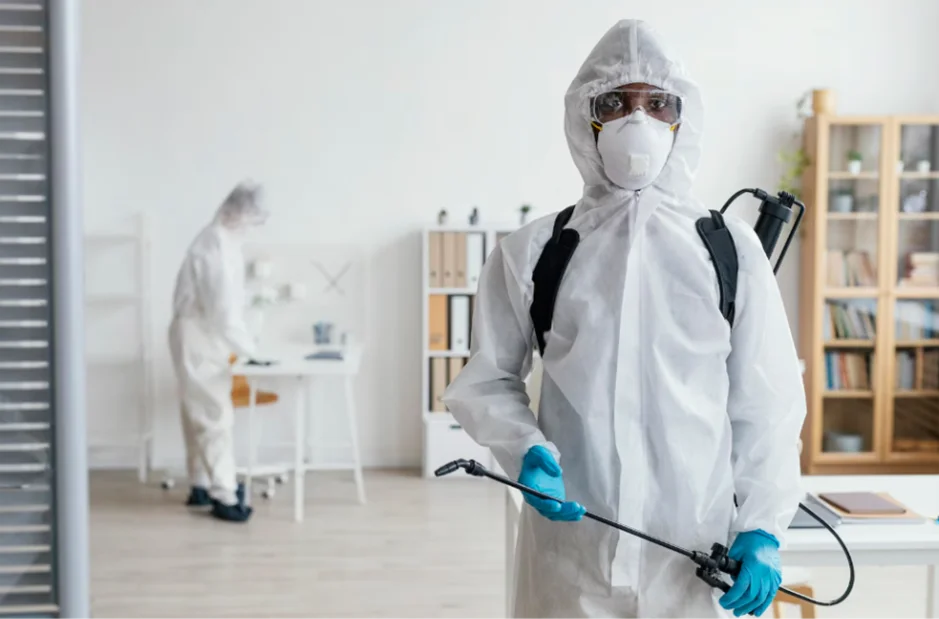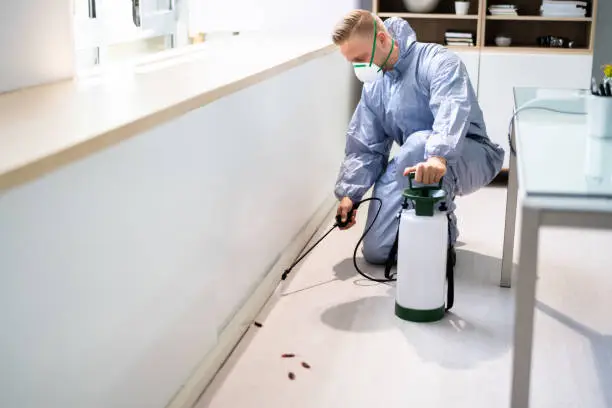
A clean and comfortable home is the desire of every homeowner or property manager. Unfortunately, pests may invade homes and properties quietly despite the efforts of the owners to keep their homes clean and pest-free.
Therefore, pest infestations may cause serious disturbances in the comfort and safety of homes and properties. For instance, ants may march through the kitchens of homes, and rodents may nest in the hidden parts of homes.
Considering that, routine pest treatments play an important role in maintaining pest-free environments. Instead of waiting for pests to invade homes and properties, routine pest management aims to prevent and detect pests. Additionally, routine pest management provides protective cover that discourages pests from infesting homes and properties.
As a result, property owners feel secure and confident knowing that their homes and properties are being protected against pest infestations.
Here, you’ll learn how routine pest treatments help maintain pest-free properties
1. Prevent Infestations Before They Start
One of the most important advantages of regularly conducting pest treatments is that it aids in prevention.
Simply, instead of dealing with a pest problem after it has already become apparent, a regular treatment schedule can prevent pests from becoming a problem at all by keeping them from ever getting a chance to become a problem.
The most effective way to accomplish this is by creating a protective barrier around a house or other property.
A good example of this is that a regularly scheduled treatment plan, often part of recurring pest control services, may involve applying a solution to areas of a house that are most vulnerable to pests. These areas may include doors, windows, foundations, as well as spaces around utilities that enter a house. By regularly treating these areas, pests are prevented from entering the home.
In addition, a regularly scheduled treatment schedule may involve inspections that help identify pests before a problem has become apparent.
2. Monitoring and Adjusting Treatment Plans
Pest control is not a one-size-fits-all solution.
Professionals in the field monitor the pests over time and adjust their treatment plans according to their findings. If pests are more active during certain seasons of the year, professionals adjust their treatment plans accordingly. This way, the treatment plans are adjusted according to the changing patterns of pests.
This is one way professionals ensure their treatment plans remain effective throughout the year.
The continuous evaluation of pests also allows professionals in the field to react quickly in case there are any new signs of pests. This means they can monitor pest patterns and trends and use this knowledge to provide solutions at the right time. This is one way professionals ensure your property is protected against pests.
3. Inspecting Hidden And Hard-To-Reach Areas
When pests infest properties, they often invade hard-to-reach areas, making the inspection of these areas a crucial part of pest control operations. In this regard, pest control experts undertake thorough inspections of these hard-to-reach places, which helps them address the infestation before it reaches the main areas of the properties.
Additionally, the inspection of these places helps the experts address underlying conditions that may not be easily identifiable, such as small entry points, moisture buildup, and structural weaknesses that may provide ideal conditions for pests to nest.
That said, the inspection of these places by pest control experts not only helps them address the infestation but also eliminates the possibility of future infestation in the same places.
4. Removing Attractants That Draw Pests In
An important aspect of maintaining a pest management routine is eliminating the things that attract pests in the first place. These may include food crumbs, water, and storage spaces that are not well organized. In most cases, experts help in the elimination of these attractants, making the environment undesirable for the pests.
Besides the elimination of the pests, the maintenance of a pest management routine helps in the creation of habits that ensure the pests are kept at bay. These may include the storage of food in sealed containers, the elimination of water through the elimination of leaks, and the creation of organized storage spaces that do not provide hiding places for pests.
In the end, the chances of the pests returning are minimized, as they rely on the availability of the basic needs, including food, water, and shelter. By removing these essentials, your property becomes far less inviting, reinforcing the effectiveness of ongoing pest control measures.
5. Support Long-Term Pest Management Strategies
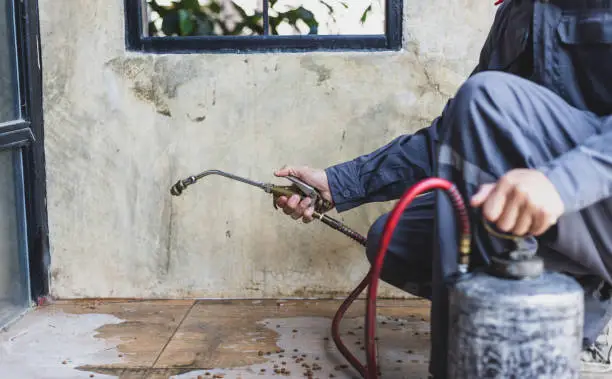
Although a single application may control pests for a while, it is unlikely that it will be effective for a long period of time. This is due to the fact that many pests are able to quickly reproduce and reappear unless preventative measures are continuously taken. Routine pest treatments, conversely, are a means of implementing long-term pest control strategies that manage pest populations over the long term.
In many cases, routine pest treatments are seasonal, with specific strategies for dealing with pest problems associated with each season.
Conclusion
Being pest-free is not something that happens by chance; it calls for a proactive, not a reactive, approach. Occasional pest treatments are not the answer; routine pest treatments are.
With routine pest treatments, property owners can prevent pest infestations, minimize health risks, and protect their properties from costly structural damage. Also, property owners can prevent pest infestations and the challenges they pose.