Introduction
Televisions have become one of the central features of modern living rooms. Whether used for movie nights, gaming, or streaming shows, the television often serves as a focal point within the space.
Yet many homeowners overlook an important design element that supports it: the TV stand.
Choosing the right TV stand can dramatically improve both the appearance and functionality of your living room. The right piece provides proper support for your television, organizes media equipment, and contributes to a cohesive interior design.
By considering a few key factors—size, viewing comfort, storage needs, and overall style—you can find a TV stand that enhances both your viewing experience and your living room design.
Start With Viewing Comfort
Before selecting a TV stand, consider how the television will be viewed within the room.
The height of the screen plays a major role in viewing comfort. Ideally, the center of the television screen should sit close to eye level when you are seated. This helps reduce neck strain during extended viewing.
If the TV sits directly on the stand, the stand height should support this viewing position. If the television is mounted on the wall, the stand still provides visual balance beneath the screen.
Another important factor is viewing distance. Larger televisions require slightly more distance between the screen and seating area to maintain comfortable viewing.
Choosing the Right TV Stand Size
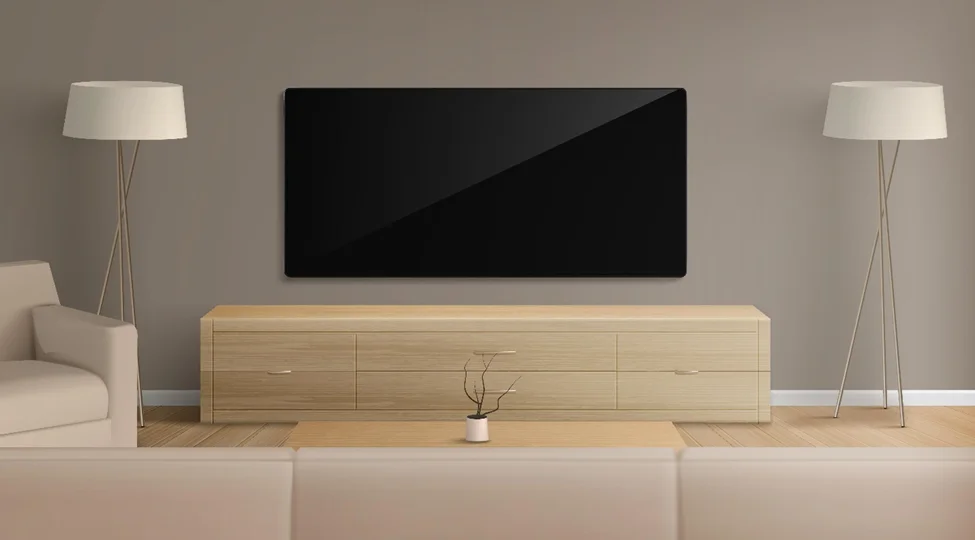
The width of the TV stand should generally be wider than the television itself. This helps create visual balance and prevents the setup from appearing top-heavy.
A stand that extends several inches beyond the edges of the television on both sides usually provides a more stable and polished look.
Depth is another important consideration. Modern living rooms often include devices such as streaming boxes, gaming consoles, soundbars, and routers. The TV stand should provide enough depth to accommodate these items comfortably.
Taking accurate measurements before purchasing ensures that the stand fits properly within your space.
Storage and Organization
One of the biggest advantages of a well-designed TV stand is its ability to keep electronics organized.
Consider what items you need to store:
• Gaming consoles
• Streaming devices
• Speakers or soundbars
• Remote controls
• Media collections
Closed cabinets help conceal clutter and maintain a clean appearance, while open shelves allow easier access to frequently used electronics.
Many homeowners prefer a combination of both options, allowing for both storage and accessibility.
Cable Management and Ventilation
Modern entertainment systems often involve numerous cables and electronic components. Without proper management, these cables can quickly create a messy appearance.
A good TV stand should include cable management openings that allow wires to pass through the back of the unit while remaining hidden from view.
Ventilation is also important. Electronic devices generate heat, and enclosed spaces without airflow can lead to overheating. Stands with open backs or ventilation gaps help maintain proper airflow for your devices.
For practical advice on cable management solutions and home media setups, this guide provides helpful insights:
https://www.crutchfield.com/learn/learningcenter/home/cable_management.html
Style and Design Integration
Beyond functionality, the TV stand should complement the overall design of the living room.
Consider how the stand interacts with nearby furniture such as sofas, coffee tables, and shelving units. Materials, finishes, and proportions should feel consistent with the rest of the space.
A low-profile console may suit minimalist interiors, while a more substantial media cabinet can anchor larger rooms.
Ultimately, the TV stand should support the television while enhancing the visual balance of the entire living room.
Final Thoughts
Choosing the right TV stand involves more than simply finding a piece that holds your television. It requires thoughtful consideration of viewing comfort, room layout, storage needs, and design harmony.
When these elements align, the TV stand becomes an integral part of the living room rather than just a functional accessory.
What features do you prioritize most in a TV stand—storage, design, or cable management? Let us know in the comments below.
Author Bio
Mobilart Meubles & Décor is a Montreal-based luxury furniture and home décor brand specializing in curated furniture collections and refined interior design inspiration. Discover more at https://mobilart.ca/
Description:
TV Stand for Living Room: For informational purposes only—choose and buy at your own risk.