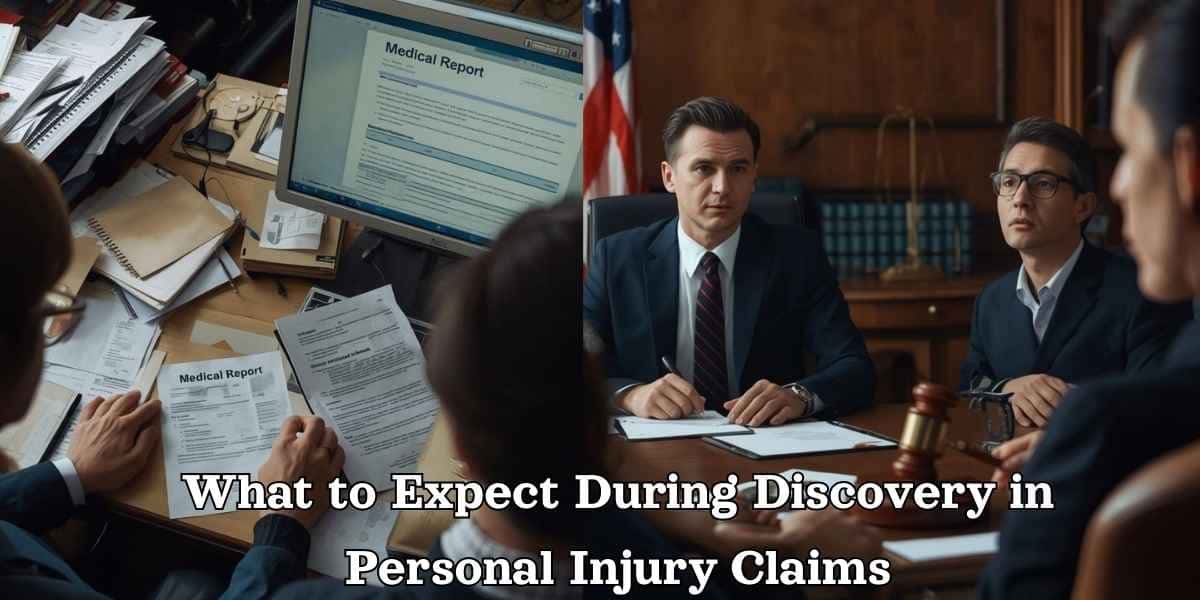
New York is a city of high activity and constant motion, from busy streets and bustling workplaces to crowded public spaces, where accidents and injuries can happen unexpectedly. For residents navigating the aftermath of an accident, understanding the legal process is essential, especially when pursuing a personal injury claim. One of the most important phases in such cases is discovery, a structured process designed to gather and exchange all relevant facts and evidence before trial.
This stage allows both parties to obtain medical records, accident reports, depositions, and other documentation that clarify the circumstances and impact of the injury. Discovery can also involve expert evaluations and independent examinations to ensure accuracy and fairness. In New York, where legal procedures can be complex and highly regulated, having experienced guidance is crucial. Working with a knowledgeable firm like Napoli Law ensures that claimants navigate discovery effectively, protect their rights, and build a strong foundation for a fair settlement or trial outcome.
Purpose of Discovery in in Personal Injury Claims
Discovery is designed to clarify the facts before trial. Each of the parties reveals information and proof of what it has. This ensures fairness and transparency in everything. In sharing information, both sides can evaluate advantages and disadvantages. The process promotes resolution and results in settlements before a trial in some cases.
Types of Discovery Methods
Common methods of discovery include written questionnaires and filled-out forms about the injuries sustained in the accident. These types of requests are looking for things like medical records, accident reports, photographs, and more. Depositions consist of answering questions while under oath before a court reporter. Each method provides a means for parties to articulate facts, assert details, and validate statements.
Written Questions and Answers
Interrogatories come in the form of a set of questions. Those who receive such invitations are required to be as honest as possible while being as thorough as possible in their responses. They often address the timeline and circumstances of the incident, medical treatments, and personal background. Some of the time must be valid, as false assertions could impact the case. Transparent responses help both parties understand the whole story.
Requests for Documents
Another key part of discovery is document requests. The parties can demand any medical bills, receipts, insurance policies, or other written communications related to the incident. The provision of these materials can assist with establishing the requirements for compensation and prior treatment history. You can streamline the process and make things easier for everyone if you prepare full and well-organized documentation.
Depositions Explained
Depositions take place in a formal environment. Attorneys ask questions of the injured person, witnesses, or specialists. Everything is on the record, and everyone in attendance is sworn to tell the truth. Depositions also serve to clarify the facts and areas that written answers do not fully touch upon. Depositions allow attorneys to probe deeper and challenge the accuracy of what the individuals are saying.
Physical and Mental Examinations
In some instances, the defense will request independent examinations by experts. Such assessments assist in confirming the levels of injury or functional disability. An independent medical examiner examines the claimant’s physical or mental condition. The results speak for themselves. If appointed, cooperation during those appointments indicates transparency and can help make a case.
Obligations and Deadlines
Timely responses are key to discovery. The courts have deadlines for every aspect of the process. Not meeting a deadline can delay a case or even incur sanctions. It is important to remain organized and to respond quickly in order to keep the momentum going and avoid any New York state complications.
Objections and Legal Protections
At times, one party will oppose some requests. Certain data might be privileged or confidential. Attorneys will typically go through the requests and sort out if any objections are appropriate. Sometimes, the court decides whether something needs to be disclosed. This process protects sensitive or non-pertinent information but provides a fair sharing of factual information.
Also Read This: Little Minaxo: What Victims Should Know Before Signing Insurance Releases
How Discovery Shapes the Outcome
Everything discovered during discovery essentially dictates the course of any claim. If one side has a weak case, new evidence could prompt the other side to begin settlement discussions. Discovery, on the other hand, may show that a trial is the superior choice. Each side uses the information obtained to formulate its strategy and prepare for any hearing or negotiations.
Conclusion
Discovery offers an opportunity for both sides to understand all facts before moving forward. By participating fully and honestly, claimants can help ensure a fair process. Understanding what to expect during discovery brings confidence and clarity to anyone involved in a personal injury claim.