Choosing a PCB assembly partner is not only about finding the lowest price. The manufacturer must understand your board design, component package sizes, quality requirements, testing process and expected production volume.
A weak supplier can cause solder defects, component shortages, delayed production and field failures. A capable partner can identify design risks early and build consistent printed circuit board assemblies from prototype to full production.
Quick Answer
Choose a PCB assembly provider that matches your board technology, production volume and product reliability class. Review its IPC experience, inspection equipment, component sourcing, traceability and testing services. Start with a prototype order, define acceptance criteria in writing and compare total cost instead of relying only on the quoted unit price.
Understand PCB Fabrication and Assembly
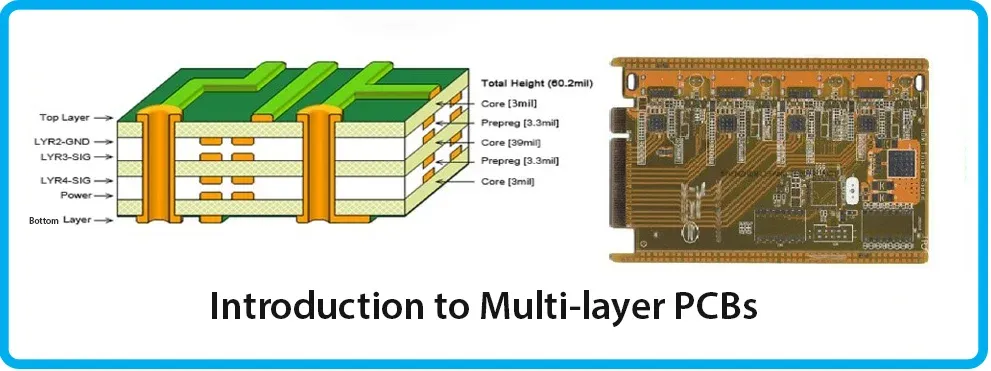
PCB fabrication creates the physical printed circuit board. It includes forming copper pathways, drilling holes, adding layers, applying solder mask and finishing exposed contact areas.
PCB assembly begins after the bare board has been produced. Components such as resistors, capacitors, connectors, sensors and integrated circuits are placed and soldered onto the board.
Some companies provide only PCB fabrication, while others offer fabrication, component sourcing and assembly as one service. A complete provider can simplify communication, but its responsibilities must be clearly defined.
Ask whether the quotation covers:
- Bare PCB fabrication
- Component purchasing
- Stencil production
- SMT assembly
- Through-hole assembly
- Inspection and testing
- Programming
- Conformal coating
- Mechanical box build
- Packaging and shipping
A low initial price may exclude several of these services. Request an itemized quotation so you can compare suppliers fairly.
Match the Manufacturer to Your PCB Technology
Not every electronics manufacturer can build every type of printed circuit board. Review your design requirements before approaching suppliers.
Surface-Mount Technology
Surface-mount technology, or SMT, places components directly onto the board surface. It supports compact designs, automated production and high component density.
Ask the supplier about its smallest supported package, placement accuracy and experience with ball grid arrays, quad-flat no-lead packages and fine-pitch components.
Through-Hole Assembly
Through-hole components use leads inserted through drilled holes. This method remains useful for connectors, transformers and parts exposed to mechanical stress.
If your project combines SMT and through-hole components, confirm that the supplier can manage both processes without unnecessary handling or thermal damage.
Rigid-Flex Boards
Rigid-flex PCBs combine rigid board areas with flexible sections. They can reduce connectors and save space in wearables, medical devices, aerospace equipment and compact industrial systems.
These designs require careful handling, controlled bending and specialized fabrication knowledge. Request evidence of similar completed work rather than accepting a general claim of experience.
High-Frequency and High-Speed Boards
Radio-frequency and high-speed digital applications depend on controlled impedance, suitable materials and careful routing. Poor manufacturing control can affect signal integrity.
Share stack-up, impedance and material requirements during the quotation stage. Confirm how the manufacturer measures and records controlled impedance.
High-Density Interconnect
HDI boards may include microvias, fine traces, small spacing and multiple build-up layers. They require tighter process control than a basic single-layer board.
Ask about minimum trace width, microvia capability, laser drilling, layer alignment and inspection methods.
Define the Product’s Reliability Requirements
An inexpensive consumer product does not have the same reliability needs as medical, automotive, aerospace or industrial-control equipment.
Describe the actual operating environment, including:
- Temperature range
- Humidity
- Vibration
- Dust
- Chemicals
- Electrical load
- Expected service life
- Repair access
- Consequences of failure
A manufacturer cannot select an appropriate process without understanding how and where the product will operate.
For harsh environments, the project may require conformal coating, stronger mechanical support, thermal management or additional testing. These requirements should appear in the drawings and manufacturing documents.
Check IPC Standards and Staff Training
IPC standards provide recognized requirements and acceptance criteria for electronic assemblies. They help customers and manufacturers agree on expected workmanship.
IPC describes IPC-A-610 as a widely used inspection standard for electronic assemblies. The related J-STD-001 standard addresses soldering materials, methods and process requirements.
Ask the manufacturer:
- Which IPC standards does it use?
- Which revision is currently followed?
- What product class will apply?
- Are operators or inspectors certified?
- How are certifications maintained?
- How are defects documented?
- What happens when a board fails inspection?
A certificate alone does not guarantee quality. The supplier must apply the standard consistently through controlled processes, trained staff and recorded inspections.
Do not request the highest class automatically. Higher reliability requirements can increase inspection, documentation and manufacturing costs. Select the class that fits the application and contractual needs.
Review Certifications Carefully
ISO 9001 may show that a manufacturer maintains a documented quality management system. Industry-specific projects may require additional certifications.
Depending on the product and market, buyers may need to review:
- ISO 9001 for quality management
- ISO 13485 for medical-device quality systems
- IATF 16949 for automotive supply chains
- AS9100 for aerospace quality management
- RoHS requirements for restricted substances
- REACH obligations
- UL-related materials or recognition
- Country-specific safety rules
Verify certificates through the issuing body where possible. Check the company name, manufacturing location, certification scope and expiration date.
A certificate for one facility does not automatically cover every factory operated by the same company.
Evaluate Component Sourcing
Component sourcing is one of the largest risks in PCB assembly. Counterfeit, obsolete or incorrectly stored parts can create immediate defects or early product failures.
Ask where components are purchased and whether the supplier uses authorized distributors. Require approval before it substitutes a brand, package, tolerance or electrical specification.
A good sourcing process should include:
- Approved supplier controls
- Manufacturer part-number verification
- Incoming inspection
- Moisture-sensitive component handling
- Lot and date-code recording
- Storage controls
- Counterfeit-risk procedures
- Customer approval for substitutions
If you supply components yourself, agree on quantities, packaging, labeling and responsibility for damaged or missing parts.
Also discuss excess components. Small packages may require purchasing more parts than the exact board quantity because setup losses can occur during automated placement.
Confirm Design-for-Manufacturing Support
Design-for-manufacturing review checks whether the PCB can be assembled reliably with the selected components and production process.
A useful DFM review may identify:
- Incorrect footprints
- Insufficient component spacing
- Missing polarity markings
- Poor test-point access
- Unclear reference labels
- Components too close to the board edge
- Inconsistent solder-mask openings
- Thermal imbalance
- Panelization problems
- Difficult rework locations
The assembler should send questions before production instead of making silent changes.
Provide complete source files, including Gerber or ODB++ data, drill files, pick-and-place coordinates, bill of materials, assembly drawings and testing instructions.
Use version numbers on every file. An outdated bill of materials combined with a newer PCB layout can cause an expensive production error.
Examine Inspection and Testing Capabilities
Visual inspection alone may not find hidden solder joints or electrical defects. The correct inspection plan depends on the component types and product risk.
Automated Optical Inspection
AOI uses cameras and software to check component position, polarity, missing parts and visible solder joints. It is useful for many SMT assemblies.
Ask whether inspection programs are verified against an approved first article and how false failures are reviewed.
X-Ray Inspection
X-ray inspection can examine solder joints hidden under components such as BGAs and bottom-terminated packages.
Confirm whether the supplier owns the equipment or sends boards to another facility. Outsourcing may affect cost and lead time.
In-Circuit Testing
In-circuit testing checks individual electrical points on an assembled board. It may require a custom fixture and accessible test points.
The setup cost may be worthwhile for repeat production but less practical for a very small prototype batch.
Functional Testing
Functional testing verifies whether the completed assembly operates as intended. The customer may need to provide test software, fixtures and pass-or-fail limits.
Define who creates the test process and who owns the equipment. Also decide how failed boards will be diagnosed, repaired and retested.
Ask About Traceability
Traceability connects a finished assembly with the materials, operators, equipment and process records used to build it.
This is especially important for regulated or high-reliability products. If a field failure occurs, traceability can help identify other boards from the same lot.
Useful records may include:
- PCB lot number
- Component lot and date codes
- Solder-paste batch
- Assembly date
- Production line
- Inspection results
- Test results
- Rework history
- Firmware version
- Shipping batch
Agree on how long records will be stored and how they can be retrieved. Do not assume every supplier offers unit-level traceability as a standard service.
Compare Prototype and Production Capability
A prototype shop may build five boards quickly but struggle with a monthly order of 20,000 units. A high-volume factory may be less flexible with small design changes.
Ask the supplier to explain:
- Minimum order quantity
- Prototype lead time
- Production capacity
- Typical order size
- Setup charges
- Line-change process
- Ramp-up planning
- Emergency capacity
- Forecast requirements
Select a partner that can support both the current stage and expected growth. Changing manufacturers after product approval may require new samples, testing and documentation.
Review Lead Time Realistically
PCB assembly lead time depends on bare-board fabrication, component availability, production scheduling, inspection and testing.
Separate these parts in the quotation. A short assembly time does not help if a critical component requires several months to arrive.
Ask which conditions can delay the order:
- Long-lead components
- Customer file errors
- Engineering questions
- Failed first articles
- Holiday shutdowns
- Customs delays
- Testing-fixture development
- Material substitutions
A reliable supplier should communicate risks early and provide an updated schedule when something changes.
Calculate the Total Cost
The lowest unit price may not be the lowest total cost. Quality problems, rework and delivery delays can be more expensive than a higher initial quotation.
Include:
- Engineering charges
- Tooling and stencils
- Bare boards
- Components
- Assembly
- Inspection
- Testing fixtures
- Programming
- Rework
- Packaging
- Freight
- Import charges
- Replacement risk
Request the same scope from every supplier. Otherwise, one quote may appear cheaper only because testing or tooling is missing.
Start With a First-Article Build
Do not move directly into full production for a new or complex design. Begin with prototypes or a controlled first-article build.
Inspect the first boards for:
- Correct components
- Polarity
- Solder quality
- Mechanical fit
- Connector position
- Programming
- Functional performance
- Thermal behavior
- Assembly cleanliness
Record every approved change. Production should not begin until the customer and supplier agree on the final documentation.
Questions to Ask a PCB Assembly Provider
Before selecting an industrial automation PCB assembly solutions provider, ask:
- Have you built boards with similar complexity?
- Which processes are completed in-house?
- How do you control component substitutions?
- What inspection is included?
- Can you provide functional testing?
- How do you handle nonconforming boards?
- What traceability records are available?
- Who owns production tooling and test fixtures?
- How are engineering changes controlled?
- Can you support future volume?
Clear written answers make suppliers easier to compare and reduce misunderstandings later.
Frequently Asked Questions
What is the difference between PCB and PCBA?
A PCB is the bare printed circuit board. PCBA refers to a board after electronic components have been placed and soldered onto it.
Is AOI enough for PCB assembly inspection?
AOI can find many visible defects, but it cannot fully inspect hidden solder joints. Complex assemblies may also require X-ray, electrical or functional testing.
Should I choose the cheapest PCB assembler?
Not automatically. Compare technical capability, component sourcing, testing, traceability, lead time and total cost before making the decision.
Final Thoughts
The right PCB assembly partner should understand your design, reliability class, production volume and testing needs. A strong supplier provides evidence of its capability instead of relying only on broad marketing claims.
Review IPC practices, certifications, component controls, DFM support and inspection equipment before approving production. Then confirm performance through a prototype or first-article build.
Careful supplier selection takes more time at the beginning, but it can prevent defects, delays and costly redesigns throughout the product’s life.