Introduction: Ukulele History
The ukulele, with its bright, cheery sound, has become one of the most recognizable and beloved instruments worldwide. Known for its small size and cheerful tone, the ukulele has captured the hearts of musicians and listeners alike. But the ukulele’s journey is far more than just a Hawaiian folk instrument—it has a rich and varied history that stretches from Portugal to Hawaii, and across the globe. In this article, we will dive deep into the fascinating ukulele history, exploring its origins, cultural impact, and transformation into the global symbol of joy that it is today.
The ukulele, often associated with Hawaiian culture, was not always a Hawaiian creation. It started its life in the Madeira Islands of Portugal before making its way to Hawaii, where it underwent significant changes. The instrument evolved from a folk tool to an international sensation, influencing everything from pop music to folk traditions. By the end of this article, you’ll have a better understanding of how the ukulele went from a small, Portuguese instrument to a symbol of Hawaiian pride and global music culture.
The Origins of the Ukulele: A Portuguese Folk Instrument
The journey of the ukulele begins in Portugal during the 19th century, where it was first known as the machete. The machete was a small, four-stringed instrument that was commonly used in Madeira and Azores in Portugal. Its bright, sharp sound was ideal for accompanying folk music, and it became a staple in Portuguese musical culture.
The Portuguese Machete: The Predecessor to the Ukulele
The machete was similar in shape to a small guitar, and it was traditionally played with a pick. It was not a large instrument, making it perfect for folk performances, and its portability made it easy to carry. The machete’s strings were tuned in a variety of ways, and it was played in a similar manner to a mandolin.
When Portuguese immigrants arrived in Hawaii in the late 19th century, they brought the machete with them. At the time, Hawaii was experiencing rapid cultural change due to immigration, and the newcomers’ instruments would go on to make a significant impact on local music. It was through the adaptation of the machete by Hawaiian craftsmen that the ukulele was born. This transformation marked the beginning of the instrument’s journey from a folk instrument to a cultural icon.
READ THIS ALSO : BF Film
The Birth of the Ukulele in Hawaii
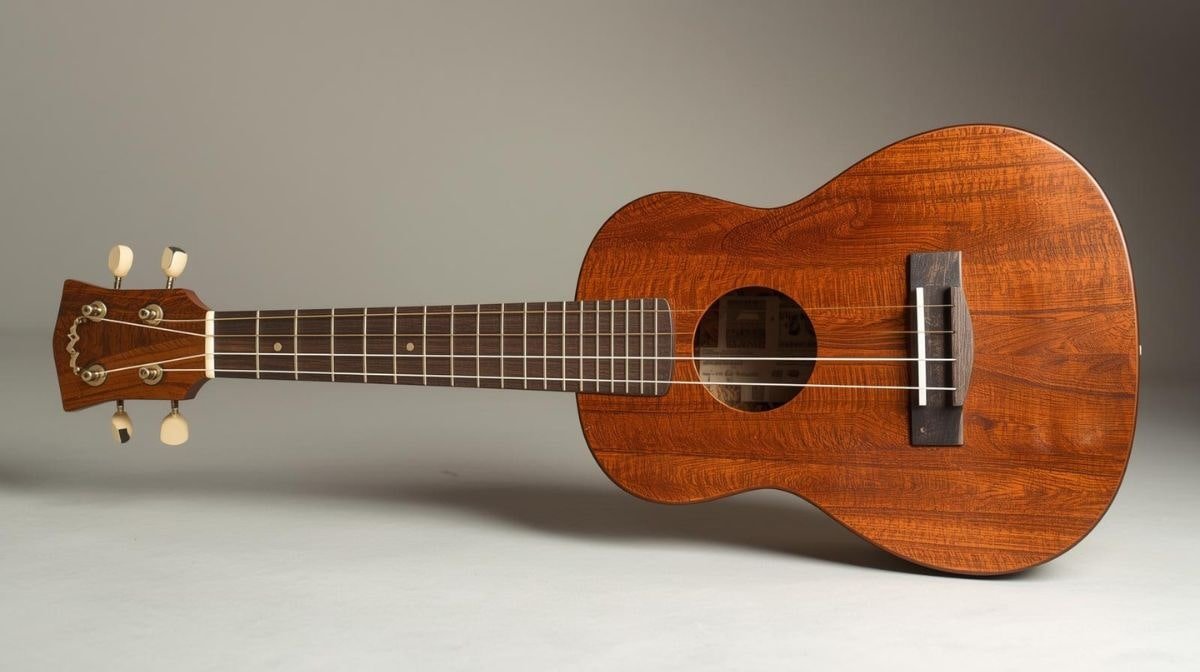
Once the Portuguese settlers introduced the machete to Hawaii, local craftsmen started modifying the instrument to suit the tastes of the Hawaiian people. The small, bright sound of the machete caught the attention of the islanders, and they began making changes to its size, shape, and tuning. Hawaiian luthiers worked on altering the machete’s body, giving it a more rounded shape, and using local woods like koa to build the ukulele.
The Name “Ukulele” and Its Meaning
The name “ukulele” itself is deeply tied to Hawaiian culture. The word “ukulele” is derived from two Hawaiian words: “uku”, meaning gift or reward, and “lele”, meaning to jump. Together, they form the meaning “jumping flea,” which refers to the rapid movements of the player’s fingers as they strum the strings.
The name “ukulele” was officially adopted in Hawaii in the late 19th century, and it quickly became synonymous with Hawaiian culture. The transformation from machete to ukulele was not only physical but also cultural. The ukulele became a symbol of Hawaiian identity and was closely tied to Hawaiian music and hula dancing. It was no longer seen as just a Portuguese folk instrument; it had been embraced and reinvented by the Hawaiian people.
The Ukulele’s Rise to Global Fame
While the ukulele was first developed in Hawaii, its popularity soon spread beyond the islands. By the early 20th century, the Hawaiian music craze had hit the United States, bringing the ukulele into the spotlight. Thanks to Hawaiian-themed performances, films, and radio shows, the ukulele became a sensation in mainland America.
The Hawaiian Music Craze and Ukulele’s International Fame
In the 1920s, Hawaiian music experienced a massive surge in popularity. The ukulele, as a key component of Hawaiian folk music, was featured in numerous performances, records, and films. This led to a boom in the instrument’s popularity, not only in Hawaii but across the U.S. mainland and the rest of the world.
Artists like Cliff Edwards (also known as “Ukulele Ike”) were instrumental in bringing the ukulele to a larger audience. Edwards was one of the first artists to popularize the ukulele on the American mainland, performing on radio and in movies. He was part of a larger trend of Hawaiian-inspired music, which included songs and performances that incorporated the ukulele’s joyful sound.
Ukulele in Hollywood and Pop Culture
During the 1920s and 1930s, the ukulele was featured prominently in Hollywood films, further cementing its place in popular culture. Ukulele players were showcased in movies alongside the rise of jazz, swing, and other popular music genres. The ukulele’s association with Hawaiian music and its role in films helped the instrument gain widespread fame, and it became an essential part of American pop music.
The Decline and Resurgence of the Ukulele
By the mid-20th century, the ukulele’s popularity began to decline as newer instruments, like the electric guitar, took center stage. However, the ukulele never disappeared entirely. It retained its place in Hawaiian culture and was still a part of traditional Hawaiian music.
The Ukulele’s Resurgence in the 1990s and 2000s
The 1990s and 2000s marked a significant resurgence of the ukulele’s popularity, largely thanks to artists like Israel Kamakawiwo’ole and Jake Shimabukuro. Kamakawiwo’ole’s rendition of “Somewhere Over the Rainbow” on the ukulele became an international hit, and the song helped reintroduce the ukulele to a new generation of listeners.
At the same time, Jake Shimabukuro, known for his virtuosic ukulele playing, brought the instrument to the forefront of modern music. Shimabukuro’s innovative use of the ukulele, including his ability to play intricate solos and arrangements, helped demonstrate the ukulele’s versatility in genres ranging from jazz to classical music.
The Ukulele’s Global Popularity Today
Today, the ukulele is not only a staple of Hawaiian music but has become a beloved instrument worldwide. Artists from many genres have embraced the ukulele, from pop stars like Vance Joy to indie musicians like Conor Maynard. The ukulele’s easy playability, unique sound, and joyful tone have made it a favorite for musicians of all ages and skill levels.
Ukulele Festivals and Communities Around the World
The global popularity of the ukulele has led to a growing number of ukulele festivals and events around the world. These events bring together ukulele enthusiasts from all walks of life to celebrate their shared love of the instrument. Some of the largest festivals include the Ukulele Festival Hawaii, the New York Ukulele Festival, and the London Ukulele Festival. These festivals offer opportunities for ukulele players to perform, learn, and connect with fellow musicians.
Online communities have also played a significant role in promoting the ukulele. Websites like Ukulele Underground and various YouTube channels dedicated to ukulele tutorials have helped make learning the instrument easier and more accessible to people worldwide.
Conclusion: The Ukulele’s Enduring Legacy
The Ukulele History is a testament to the power of cultural exchange and adaptation. From its Portuguese roots to its transformation into a symbol of Hawaiian culture, the ukulele has traveled the world and left an indelible mark on music. Its evolution from a machete to a beloved cultural icon speaks to its ability to adapt and thrive in different environments.
Today, the ukulele continues to be a symbol of joy and creativity, enjoyed by millions of people around the world. Whether you’re strumming your first chord or performing in front of a crowd, the ukulele’s cheerful sound and playful spirit will always be a reminder of its vibrant history and the communities that have embraced it.
Happy strumming!