The Origins of Paraffin Wax
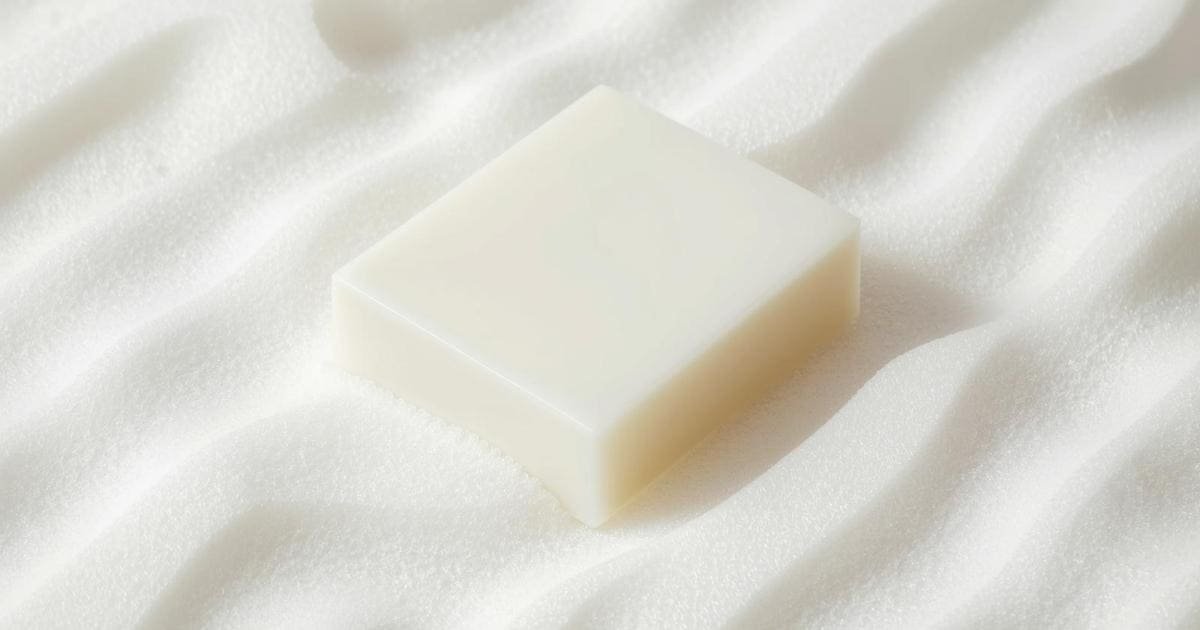
Paraffin wax is a white or colourless soft solid derived from petroleum, coal, or oil shale. It was first developed in the 1800s after the distillation of crude oil became common. The wax is typically produced by dewaxing light lubricating oil stocks, resulting in a versatile and cost-effective material with widespread applications.
Common Uses of Paraffin Wax
Paraffin wax is widely used across various industries. In candle making, it’s a go-to option due to its ability to hold fragrance and colour well. In the beauty sector, it appears in spa treatments and skin-softening products. It’s also used in food-grade applications like sealing jams or coating cheese, as well as industrially for waterproofing and lubrication.
Paraffin Wax in Candle Making
One of the most popular applications of paraffin wax is in candle making. It’s favoured by hobbyists and large-scale producers alike because of its excellent scent and smooth finish. This wax blends well with dyes and fragrances, making it ideal for both scented and coloured candles. Whether used in container candles, pillars, or votives, paraffin wax offers reliable performance and professional results.
Is Paraffin Wax Safe?
When used correctly, paraffin wax is considered safe. It meets regulatory guidelines and has been used for decades in household and commercial products. Proper ventilation during candle making and regular wick trimming during use can minimise any smoke or soot produced. As with any wax, following safe handling instructions is key.
Also Read This: Little Minaxo: Top 5 K-Beauty Products You Need in Your Skincare Routine
Environmental Considerations
Paraffin wax is a petroleum by-product, which raises concerns for some users seeking more eco-friendly alternatives. While it’s not a renewable resource, its use does repurpose materials from other industrial processes. For those wanting a greener option, natural waxes like soy, coconut, or beeswax may be more suitable. However, paraffin’s affordability and performance keep it popular among candle makers.
How to Work with Paraffin Wax
Proper storage helps maintain the quality of paraffin wax over time. It should be kept in a cool, dry place away from direct sunlight and heat sources. When stored correctly, paraffin wax has a long shelf life and does not easily degrade, making it convenient for both hobbyists and commercial users. Keeping it sealed also prevents dust and contaminants from affecting the wax’s finish and performance.
Benefits of Using
It offers several practical benefits that make it a preferred choice for many users. It is affordable, widely available, and easy to handle, even for beginners. Its ability to produce a smooth, consistent finish and strong scent throw makes it especially valuable in candle making. Additionally, It sets evenly and reliably, helping reduce common issues such as frosting or uneven surfaces.
Storage and Shelf Life
It melts at a lower temperature compared to some natural waxes, typically between 46°C to 68°C. It’s easy to work with, making it suitable for beginners. The wax should be heated in a double boiler, and fragrance or dye can be added once it’s fully melted. It’s important to pour it at the recommended temperature for a smooth, even finish. It’s suitable for use in a range of candle types, including votives, tealights, pillars, and containers.
Last Thoughts
Paraffin wax is a versatile and time-tested option for candle making and beyond. Its affordability, ease of use, and ability to carry scent and colour make it a top choice for many. While it may not be the first pick for those seeking natural or sustainable ingredients, it remains an excellent option for achieving professional results in your candle projects.