Why do photographs from the early 1900s and the 2000s still inspire wardrobes today? Some people admire the tailoring and formality of the Edwardian years. Others remember the bright colors, denim, tracksuits, and playful accessories of the early internet era. These styles are easy to romanticize, but each period had its own limits.
Here, “1900s” refers mainly to 1900–1909 and “2000s” to 2000–2009. The decades are separated by a century and very different social expectations, so calling either one objectively better depends on what matters most to the wearer.
Quick Answer: Early-1900s fashion is admired for intricate tailoring, craftsmanship, and distinctive silhouettes, while 2000s fashion is remembered for expressive denim, casual sportswear, statement accessories, and celebrity-inspired trends. Neither era was universally better than modern fashion. The early 1900s reflected strict class and gender expectations, and the 2000s had their own pressures around body image and conspicuous branding. Today offers wider styling choices and access to clothing information. The most useful approach is to borrow strong design ideas from the past while keeping modern comfort, inclusivity, and practical needs in mind.
Older fashion photographs often show carefully selected outfits, whereas modern feeds show everything from formal events to ordinary errands. That difference can make the past look uniformly stylish even though people then also owned work clothes, inexpensive garments, and practical everyday wear.
Nostalgia also plays a role. A person who grew up in the 2000s may associate a velour tracksuit or wide-leg jeans with school memories, music videos, and friends. Someone drawn to early-1900s portraits may be responding to fabric texture, elaborate details, or a recognizable silhouette rather than to the social rules of that decade.
The comparison becomes more useful when we evaluate specific qualities—construction, comfort, creativity, accessibility, and the meaning clothes carried—rather than declaring an entire period superior.
Early-1900s Fashion: Structure, Tailoring, and Social Rules
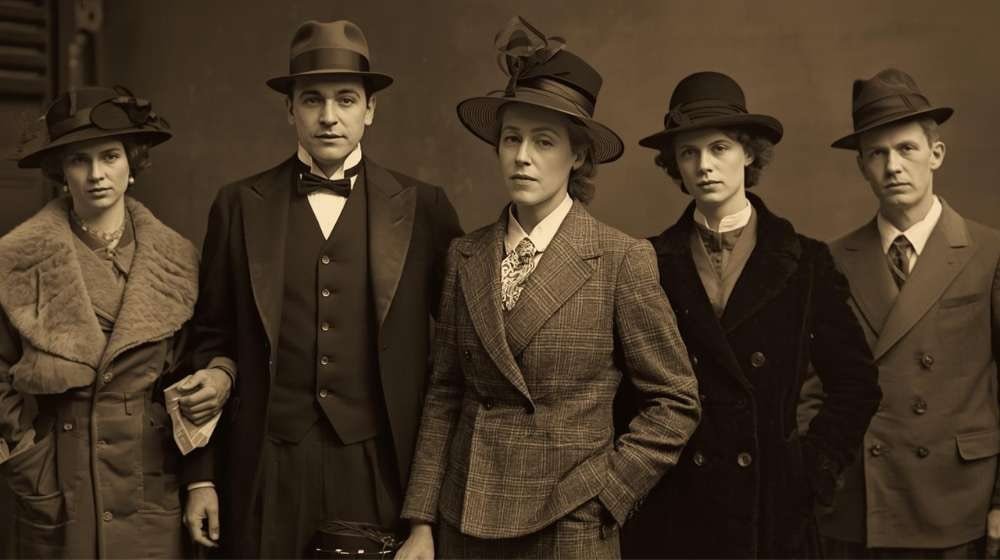
In the years from 1900 to 1909, fashionable womenswear in many Western urban settings included long skirts, shaped bodices, hats, lace, and elaborate decoration. Menswear commonly featured tailored coats, waistcoats, and formal accessories. These descriptions mostly reflect surviving fashion records, not the wardrobes of every social group.
The Fashion History Timeline from the Fashion Institute of Technology describes how early-decade silhouettes gradually softened and narrowed as the 1910s approached. Clothing changed even within a single decade, which is why it is misleading to treat the whole early 1900s as one fixed look.
Craftsmanship and Attention to Detail
The visual appeal of surviving garments often comes from intricate construction: fitted seams, carefully arranged fabric, embroidery, and trim. These details can inspire modern tailoring, especially when someone wants clothing that appears deliberate and well proportioned.
However, beautifully preserved museum pieces are not evidence that everyone owned such clothing. Cost, class, occupation, and local customs influenced who could wear elaborate designs and how often they could replace them.
Formality Was Not Always Freedom
Clothing could communicate social expectations as clearly as personal taste. Certain silhouettes restricted movement, while dress conventions differed by gender and class. It is reasonable to admire historical tailoring without wanting to restore every rule attached to it.
The Library of Congress traces the changing relationship between fashion, work, and social roles across the twentieth century. Its examples show clothing responding to practical needs and cultural shifts, not simply becoming more or less respectful.
The 2000s: Denim, Streetwear, and Individual Style
The early 2000s did not have one uniform aesthetic. Low-rise jeans, cargo trousers, tracksuits, logo-heavy accessories, layered tops, and distinctive bags appeared alongside more restrained office wear and formal fashion. Music, television, celebrity photographs, and online communities influenced what people wanted to wear.
The Fashion History Timeline's 2000–2009 overview describes changing denim silhouettes, growing celebrity influence, and the spread of fashion images through digital technology. The decade also included more subdued looks that are sometimes forgotten in nostalgic roundups.
Why Y2K Looks Still Feel Distinctive
Many recognizable 2000s outfits used striking combinations: a small shoulder bag with flared jeans, a brightly colored top with sneakers, or a fitted jacket over casual basics. The styling felt playful because it mixed sportswear, pop culture, and dressier pieces.
What looks fresh today may be a selective revival. Modern wearers often keep the fun colors or shapes while choosing more comfortable cuts and practical fabrics. Recreating a look does not require copying every part of it.
Fashion Became Easier to Share
Magazines and television still mattered in the 2000s, but digital photos, blogs, and eventually social platforms made celebrity outfits easier to discuss and imitate. Fashion inspiration moved more quickly between cities and communities, though access to brands and trends remained uneven.
That shift helps explain why the decade feels visually memorable. It also laid some of the groundwork for today's accelerated trend cycle rather than standing entirely apart from it.
Did Older Fashion Encourage More Modesty or Respect?
Dress codes can convey formality and help people recognize an occasion, but clothing coverage alone does not measure a person's character or the respect they deserve. A tailored suit, a sari, an abaya, a T-shirt, and a summer outfit all carry meaning that changes with setting and culture.
Early-1900s dress standards often reflected stricter expectations about gender, occupation, and class. Some people value the deliberate presentation associated with those styles; others prefer the freedom to choose outfits without meeting the same social restrictions.
Modern clothing offers more ways to balance personal beliefs with practicality. Someone who prefers modest fashion can build a distinctive wardrobe through layering, long silhouettes, and carefully chosen accessories. Someone who favors casual clothing can still dress thoughtfully for a formal setting.
How Global Fashion Blends Tradition and New Influences
Fashion has never moved in only one direction from Europe to the rest of the world. Trade, migration, cinema, music, craftsmanship, and local designers all influence how people dress. Traditional garments continue to evolve alongside international styles, often within the same household or wardrobe.
In South Asia, for example, a person may choose a shalwar kameez for one event and jeans for another without abandoning cultural identity. The same principle applies to formalwear, regional textiles, and modern adaptations of traditional silhouettes in many places.
The meaningful question is whether people have genuine choice and whether local craft is valued. A trend becomes richer when it allows different communities to adapt it instead of treating one style of dress as the universal standard.
How to Borrow the Best Ideas From Both Eras Today
Start with the feature you actually admire. For an early-1900s influence, that might mean structured shoulders, a well-fitting vest, a long skirt, lace details, or a thoughtfully chosen hat. You do not need historically accurate layers or uncomfortable shaping garments for a modern outfit.
For a 2000s influence, try relaxed denim, a colorful bag, sporty shoes, or a single playful accessory. If you want an outfit to feel contemporary, keep the base simple and let one vintage-inspired element provide the character.
A practical three-step approach:
- Identify one historical element you like: silhouette, texture, color, or accessory.
- Pair it with comfortable clothes that fit your current lifestyle and climate.
- Wear the combination for a full day before buying more pieces in the same style.
Accessories can be an easy place to experiment. A classic watch works across formal tailoring and casual Y2K looks; our guide to Best Watches to Buy in 2026 explores another way to build an outfit around a lasting accessory.
Frequently Asked Questions
Was clothing in the early 1900s always handmade?
No. Home sewing, tailoring, and ready-made clothing all existed, although access and production methods differed by region and social class. Surviving museum garments tend to overrepresent notable examples.
Is Y2K fashion the same as all 2000s fashion?
No. Y2K commonly refers to a particular late-1990s and early-2000s aesthetic. The decade also included changing denim fits, bohemian looks, sportswear, and many other styles.
Can traditional fashion and modern streetwear work together?
Yes. Mixing garments thoughtfully can produce outfits that reflect cultural identity and present-day comfort. Fit, occasion, fabric, and personal preference matter more than following one strict set of rules.
Final Thoughts
Fashion from the early 1900s and 2000s remains inspiring because each period produced memorable forms of self-expression. The earlier decade offers lessons in structure and detail; the later one shows how pop culture and everyday clothing can create bold styles. Rather than ranking whole eras, choose the elements that help you dress comfortably and meaningfully now. Classic tailoring also depends on garment care, and our shirt ironing guide offers practical steps for maintaining a polished look.