A credit score can change from month to month, but there is no reliable shortcut that guarantees a large jump by next week. If you want to improve your score without opening a new loan or credit card, start with the accounts you already have.
The most useful steps are usually ordinary ones: paying on time, keeping card balances manageable and checking the accuracy of your credit reports.
Quick answer
You can work on your credit score without taking on new debt. Start by making every existing payment on time, reducing revolving credit balances where possible, and checking credit reports for errors. The Consumer Financial Protection Bureau identifies payment history and how much available credit you use as important factors. Results differ by person and scoring model, so no legitimate method guarantees a particular number of points or an instant change. Avoid anyone promising a quick score boost in exchange for buying an expensive service.
What affects a credit score most?
According to the Consumer Financial Protection Bureau (CFPB), your record of paying bills on time is an important part of most scoring systems. Balances, the age of your accounts and the type of credit you use can also matter.
There is no single universal credit score. Different lenders can use different models or versions, and they may not all have the same information at the same moment. That is why a small change in one app does not always predict a lender’s decision.
Pay on time, even when money is tight
Set reminders before due dates, or automate at least the minimum payment if your cash flow allows. Review the account each month to make sure the payment actually posted. One missed payment can cost more than a clever score trick could help.
If you cannot afford a payment, contact the lender early. The CFPB recommends acting quickly when credit card bills become difficult to pay. Asking about a hardship arrangement is more productive than ignoring notices.
Lower card balances without opening new accounts
How much of your credit limit is in use can influence a score. Consider paying down revolving balances as your budget permits and avoid adding unnecessary spending while you do it. The CFPB’s credit rebuilding guide explains why using too much of an available limit may hurt your score.
You do not need to carry interest-bearing debt to build credit. Paying a statement balance in full, when you can, helps avoid interest charges. A lower reported balance may help some scoring models, although timing and results vary.
Check your reports for mistakes
Look at reports from the major US credit bureaus through AnnualCreditReport.com, the federally authorized source. Check account ownership, payment dates, credit limits and entries you do not recognize.
If you find incorrect information, dispute it with the bureau and the company reporting it. Keep copies of the documents you send. Removing a genuine negative event is not the same as correcting an error; avoid credit repair firms that imply otherwise.
Be wary of paid credit-score shortcuts
A company may sell tradelines, credit repair services or other supposed shortcuts. Ask what the service will actually do, what it costs and why you could not take a lawful step yourself. Nobody can promise the exact score a lender will calculate.
Do not pay for a claim that accurate negative information can simply be erased. If an offer urges you to act immediately or promises a guaranteed increase, slow down and verify the details with a trusted consumer source.
What to expect after making changes
Improvement can take time because lenders report information on their own schedules and a score draws on your wider history. Focus on consistent habits rather than watching the number daily.
This article is general US consumer information, not individual financial advice. If you are facing collection notices or serious debt hardship, consider a reputable nonprofit credit counselor and review the CFPB’s free guidance before agreeing to fees.
Frequently asked questions
Will checking my own credit report hurt my score? Checking your own report is not a hard inquiry from a new credit application.
Should I apply for another card to increase my total limit? Not solely for a quick score change. A new application and account can affect your profile in different ways.
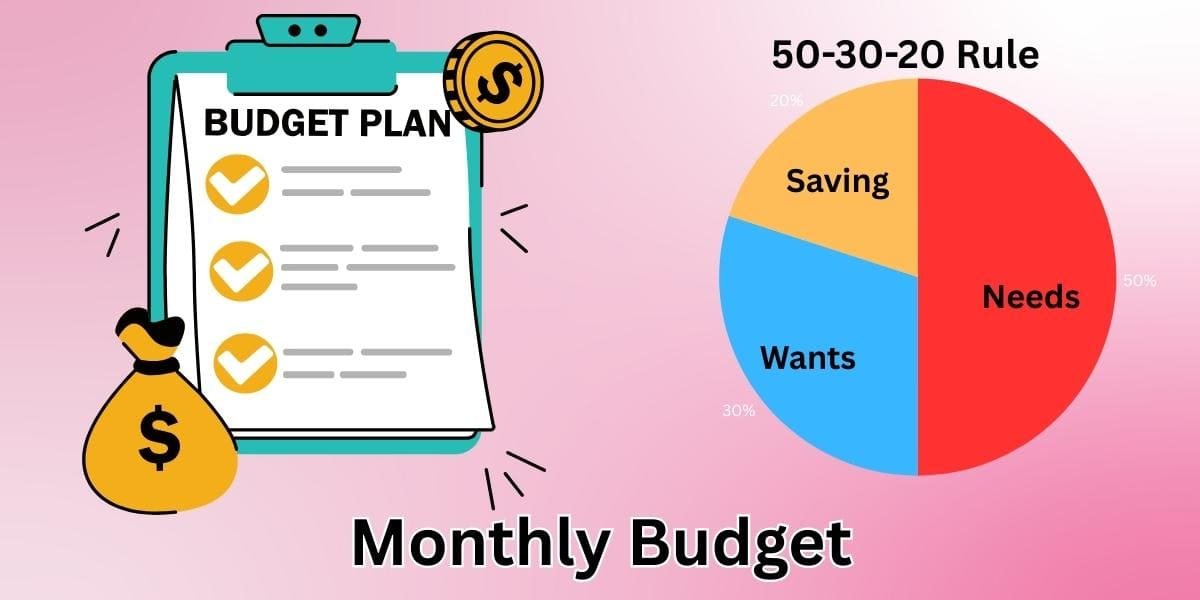
Can someone guarantee a 100-point increase? No. Outcomes depend on the information in your files and the model used. Credit-score improvements are easier to maintain when payments fit a realistic plan, so our monthly budgeting method can help organize recurring obligations.