
Maintaining a thriving and beautiful yard may soon become overwhelming. The grass can lose its color, weeds start spreading, and plants do not grow as they should, despite frequent watering and trimming.
Furthermore, you may spend time and effort on landscape work, and yet the yard looks untidy or not properly maintained. In the long run, they not only damage the look of your premises but also cause outdoor areas to be less pleasant to use.
However, professional landscaping services offer a guided approach to these issues. Specialists determine the health of the soil, plant health, irrigation rates, and pest activity, and subsequently prescribe realistic treatments.
Consequently, the landscape decisions are more focused and efficient. Furthermore, outdoor spaces become healthier and more manageable all year round with regular attention and planning.
This article describes what you can effectively expect when working with a professional landscaping service provider.
1. Property Evaluation and Landscape Planning
To create a successful landscaping project, a professional landscaping service provider starts by carrying out an elaborate analysis of your property. This step enables professionals to study the state of soil, grass, drainage systems, and the existing plant growth. Consequently, they are able to detect problems like an imbalance in nutrients, uneven growth in the turf, or weed-prone areas.
On the basis of this analysis, a tailor-made landscape plan is designed. Professionals do not use random treatments; instead, they suggest services that correspond to the particular needs of your yard. Consequently, every action promotes a healthy landscape in the long term.
Likewise, organized planning makes sure that the soil quality, vegetation choice, and lawn treatments complement each other. As a result, the landscape becomes easier to maintain, and the appearance remains balanced.
2. Lawn Health Programs and Nutrient Support
Healthy lawns require adequate nutrients and regular maintenance. As a result, the professional landscaping services frequently involve organized lawn health programs that help to maintain the growth of grasses all year round.
For example, programmed fertilization reinforces roots and enhances the density of grass. In the meantime, weed control programs eliminate the competition of invasive vegetation with healthy turf.
Since such applications are completed in phases, the lawns get nourishment when they need it most. Moreover, frequent treatments are used to avoid typical issues like patchy growth or thin grass. Consequently, lawns are harder, greener, and more resistant to environmental pressure.
3. Irrigation Systems and Efficient Water Distribution
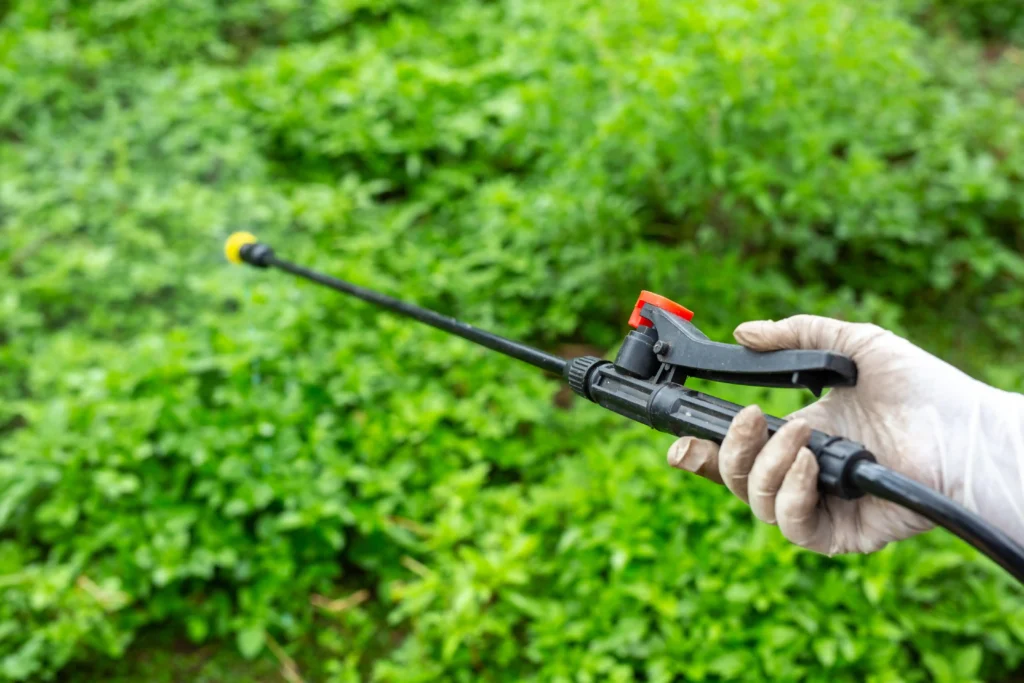
Water management is very important in keeping the landscape healthy. Even healthy lawns may deteriorate if the watering is not regular or evenly distributed.
This is the reason why landscaping professionals usually install and maintain irrigation systems that evenly spread water throughout the property. These mechanisms aid in making sure that the lawns, trees, and plants receive the right amount of water.
Moreover, irrigation systems may be modified in accordance with changes in weather conditions. For example, in hot months, watering programs can be more frequent, and in cooler months, irrigation can be less frequent. As a result, balanced watering helps maintain constant growth of plants, as well as preserve the structure of the soil.
4. Tree and Plant Care for Landscape Stability
Ornamental plants and trees play an important role in the composition and the character of a landscape. Nevertheless, in the absence of adequate care, plants may become diseased, infested by pests, or experience poor growth habits.
For this reason, professional landscaping services typically include plant and tree care programs that monitor overall plant health. These services may involve fertilization, pruning, and targeted treatments designed to prevent disease or pest damage.
In addition, routine plant care helps maintain proper spacing and growth balance within the landscape. As a result, plants mature naturally without overcrowding nearby vegetation. Over time, this consistent attention supports a healthier and more stable outdoor environment.
5. Outdoor Pest Management and Lawn Protection
Outdoor pests can quickly disrupt the comfort and health of a landscape. Mosquitoes, ticks, and other insects often thrive in untreated lawns or shaded areas around the yard.
Therefore, many landscaping providers include outdoor pest management as part of their services. These treatments help reduce insect activity while maintaining safe conditions for outdoor spaces.
Moreover, structured pest management programs focus on prevention rather than occasional treatment. By applying scheduled solutions, professionals help control pest populations before they spread. Consequently, lawns remain healthier while outdoor areas become more comfortable to use.
6. Seasonal Maintenance and Landscape Upkeep
Landscapes require different types of care as seasons change. For this reason, professional landscaping services usually include ongoing maintenance designed to support year-round landscape health.
In addition, these services may include aeration, reseeding, lawn treatments, and seasonal adjustments. For example, aeration improves soil airflow, allowing nutrients and water to reach grass roots more effectively.
Additionally, seasonal maintenance helps identify early signs of lawn stress or soil compaction. Addressing these issues early prevents larger problems later. As a result, landscapes maintain their appearance and structure even as weather conditions shift throughout the year.
Bottomline
Professional landscaping services provide a structured approach to maintaining outdoor spaces. Instead of relying on occasional yard work, these services focus on evaluating property conditions, improving soil health, and supporting plant growth through consistent care.
Furthermore, irrigation management, pest control, and seasonal maintenance help prevent many common lawn problems. Each service contributes to maintaining balance across the landscape while protecting long-term plant health.
As a result, homeowners gain a more manageable and stable outdoor environment. With proper planning and regular maintenance, landscapes remain healthier, more functional, and visually consistent throughout the year.
Disclaimer
Professional Landscaping Services information provided in this article is for general educational purposes only. Results may vary depending on property condition, climate, and maintenance practices. Always consult a qualified landscaping professional for accurate assessment and customized solutions for your outdoor space.