If you spend any time around a pool, beach, or even a backyard splash setup, you’ve probably noticed one thing: not all swim shorts feel the same. Some ride up when you move, others take forever to dry, and a few just feel awkward the moment you sit down.
That’s where 7-inch swim shorts for men quietly stand out. They’ve become a kind of “sweet spot” length—long enough to feel covered and confident, but short enough to stay lightweight and easy to move in. Whether you’re swimming laps, chasing kids along the shore, or just lounging with a cold drink, this length tends to fit into real life without much fuss.
What makes them especially popular today is how versatile they are. You’ll see them at public beaches, hotel pools, resort vacations, and even casual weekend barbecues where someone ends up jumping into a pool fully clothed. They’re not just for swimming—they’ve become part of everyday warm-weather wear.
Let’s break down why they work so well and what to look for if comfort is your top priority.
Why 7-Inch Swim Shorts Just Work in Real Life
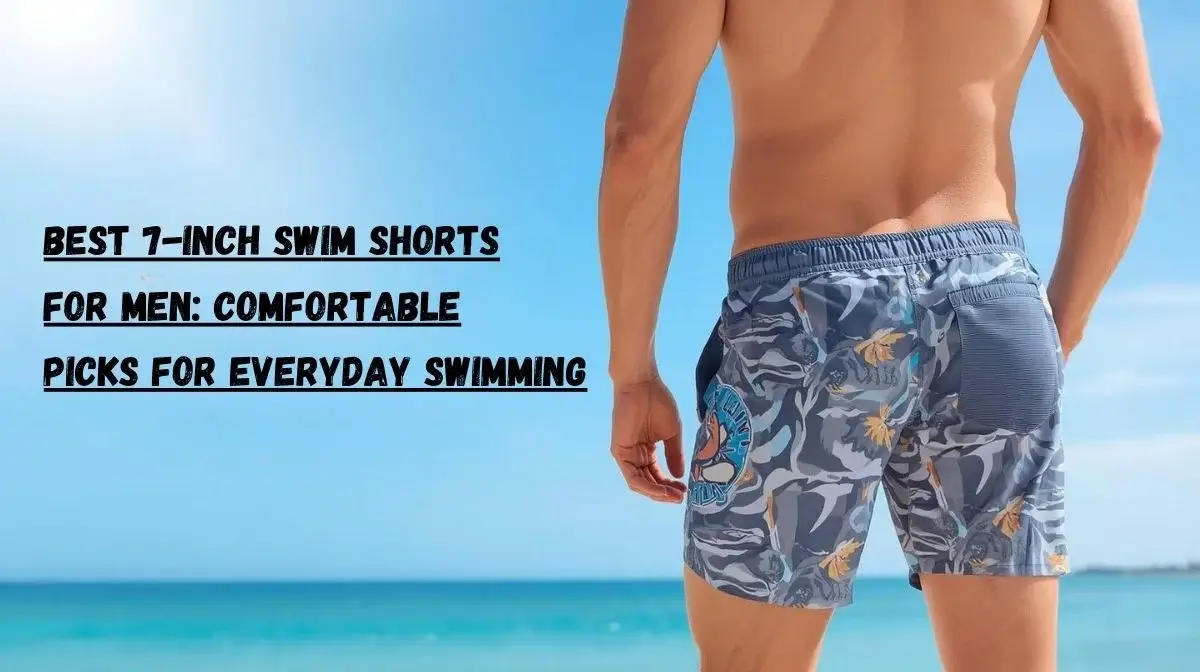
The “7-inch” measurement refers to the inseam—the distance from the crotch to the bottom of the shorts. In practical terms, this usually means the shorts land around mid-thigh for most men.
That matters more than it sounds. Shorter swim trunks (like 5-inch styles) can feel a bit too revealing for some people, especially in mixed social settings like family pools or resort areas. Longer board shorts, on the other hand, can feel heavy when wet and sometimes get in the way when you’re trying to actually swim.
The 7-inch length sits right in between.
Think of a hotel pool scene: someone is doing light laps in the morning, another person is walking to the breakfast buffet straight from the water, and a few kids are doing cannonballs. The 7-inch style blends into all of that without looking out of place or requiring constant adjustment.
From a functional standpoint, this length also helps with movement. You can bend, stretch, and swim without fabric bunching up behind your knees or dragging in the water. That might sound small, but if you’ve ever tried sprinting across wet sand in long shorts, you already know how much difference it makes.
Even in everyday fitness routines—like beach runs or outdoor training—these shorts behave more like activewear than traditional swimwear. That crossover use is part of why they’ve become so popular.
What Makes Swim Shorts Actually Comfortable?
Comfort in swimwear is not just about softness. It’s a mix of fabric, fit, and small design details that you only notice after wearing them for a full day.
First is the material. Most good swim shorts use lightweight polyester or nylon blends. These fabrics are quick-drying, meaning they don’t stay heavy or clingy after you get out of the water. In real life, this matters when you’re moving between activities—like going from swimming straight to a beach café or walking back to your hotel room.
Second is the inner lining. Many swim shorts include a mesh liner, which is basically a soft inner layer that provides support and prevents chafing. Without it, longer wear can become uncomfortable, especially if you’re active in and out of the water.
Then there’s the waistband. Elastic waistbands with drawstrings are the standard for a reason. They let you adjust the fit depending on how tight or relaxed you want things. After a swim, when fabrics tend to loosen slightly, that adjustability becomes important.
Even small things like pocket drainage holes matter. If you’ve ever forgotten your keys in swim shorts, you’ll know why. Water needs a way out so your pockets don’t turn into tiny water tanks.
All of these details come together in a way that makes a simple pair of swim shorts surprisingly functional across different situations.
In fact, a lot of people who travel frequently—especially those in hospitality jobs, cruise staff, or outdoor tourism—end up relying on this style because it transitions so easily between work and downtime. One minute you’re organizing gear or walking a dock, the next you’re in the water.
That flexibility is why so many people eventually settle on styles like the 7 Inch swim shorts for men when they want something dependable for both casual and active use.
Everyday Use: From Beaches to Backyard Life
What really makes 7-inch swim shorts stand out is how naturally they fit into everyday life, not just “vacation moments.”
Take a typical weekend. You might start with a quick grocery run, end up at a friend’s house, and suddenly there’s a pool involved. Instead of changing multiple times, swim shorts let you stay ready for anything.
At beaches, they work well for people who aren’t just lying on towels all day. If you’re building sandcastles with kids, playing volleyball, or walking long stretches along the shoreline, you need something that doesn’t slow you down.
In fitness settings, they’ve also found a place. Trainers who run outdoor boot camps or beach workouts often prefer this style because it allows for full range of motion. Squats, sprints, and stretches feel unrestricted, and sweat or water doesn’t weigh them down.
Even in hospitality and travel industries, they show up more than you’d expect. Resort staff during off-hours, dive instructors between sessions, or tour guides on island routes often rely on quick-dry shorts because they never know when they’ll end up near water again.
Backyard life is another underrated example. Whether it’s grilling, gardening, or supervising kids in a small inflatable pool, these shorts just make sense. You don’t have to think about changing clothes every time water is involved.
That’s the real appeal—they remove friction from everyday transitions.
Choosing the Right Pair Without Overthinking It
When people shop for swim shorts, they often get stuck comparing dozens of features. But in reality, it comes down to a few simple questions:
Does it feel light when wet?
Does it stay comfortable after a few hours?
Can you move naturally without adjusting it constantly?
If the answer is yes, you’re already most of the way there.
Fit is more important than flashy design. A well-fitting pair should sit comfortably at your waist without needing constant tightening. The leg openings should allow movement without feeling too loose or too tight.
Color and style are more personal. Some prefer neutral tones like navy, gray, or black because they double as casual shorts. Others go for brighter colors that feel more “vacation-ready.”
Durability also matters more than people expect. Chlorine from pools and salt from the ocean can wear down fabric over time. Good swim shorts should hold their shape after repeated exposure to both.
Once you find a pair that checks those boxes, you’ll likely end up wearing them far beyond the pool.
Final Thoughts
Swimwear doesn’t need to be complicated. The best pieces are the ones you forget you’re wearing because they simply fit into your day without effort.
7-inch swim shorts have become a reliable middle ground for that reason. They’re practical enough for swimming, comfortable enough for long wear, and flexible enough for everything in between.
Whether you’re planning a beach trip, upgrading your summer wardrobe, or just looking for something easy to live in during warm months, this style quietly delivers on all fronts without trying too hard.
And in the end, that’s often what “good clothing” really means—it just works when you need it to.