Donald Loving was the son of Mildred Loving and Richard Loving, the couple behind the historic U.S. Supreme Court case Loving v. Virginia.
His full name is commonly listed as Donald Lendberg Loving. He was not a celebrity, actor, author, or public speaker. His name is mostly searched because of his parents’ civil rights legacy and the Loving family history.
Quick Answer
Donald Loving was one of the children raised by Mildred and Richard Loving. His family became part of American history because of the landmark Loving v. Virginia marriage case.
- Known for: Son of Mildred and Richard Loving
- Full name: Donald Lendberg Loving
- Parents: Mildred Loving and Richard Perry Loving
- Family: Sidney, Donald, and Peggy Loving
- Legacy: Connected to the Loving v. Virginia family story
Donald Loving Quick Facts
| Detail | Information |
|---|---|
| Full Name | Donald Lendberg Loving |
| Popular Name | Donald Loving |
| Known For | Son of Mildred and Richard Loving |
| Mother | Mildred Loving |
| Father | Richard Perry Loving |
| Family Raised With | Sidney Clay Jeter and Peggy Loving |
| Birth Year | 1958 |
| Death Year | 2000 |
| Public Profile Type | Civil rights family profile |
| Main Legacy | Loving v. Virginia family history |
| Movies / TV Work | No public entertainment career |
| Books | No public books connected to him |
| Public Role | Part of the Loving family legacy |
Who Was Donald Loving?
Donald Loving was part of one of the most important families in American civil rights history.
His parents, Mildred and Richard Loving, challenged Virginia’s law against interracial marriage. Their case reached the U.S. Supreme Court and changed marriage law across the United States.
Donald was not the main legal figure in the case. His public importance comes from being part of the Loving family and the home life his parents fought to protect.
Donald Loving’s Parents
Donald’s parents were Mildred Loving and Richard Perry Loving.
Mildred and Richard married in Washington, D.C. in 1958 because interracial marriage was illegal in Virginia at that time. After returning to Virginia, they were arrested under the state’s anti-miscegenation law.
Their legal fight became Loving v. Virginia, the 1967 Supreme Court case that struck down state laws banning interracial marriage.
Mildred Loving
Mildred Loving became a major name in civil rights history, but she lived a quiet life.
She did not seek fame. She wanted to live with her husband and children in Virginia without being punished for her marriage.
Her courage helped change the law for interracial couples across the United States.
Richard Loving
Richard Loving was Donald’s father. Public profiles describe him as a construction worker from Virginia.
Richard was also known for being quiet and direct. His famous message to the court was simple: he loved his wife.
Richard died in 1975 after a drunk driver struck the Lovings’ car in Caroline County, Virginia.
Donald Loving’s Family
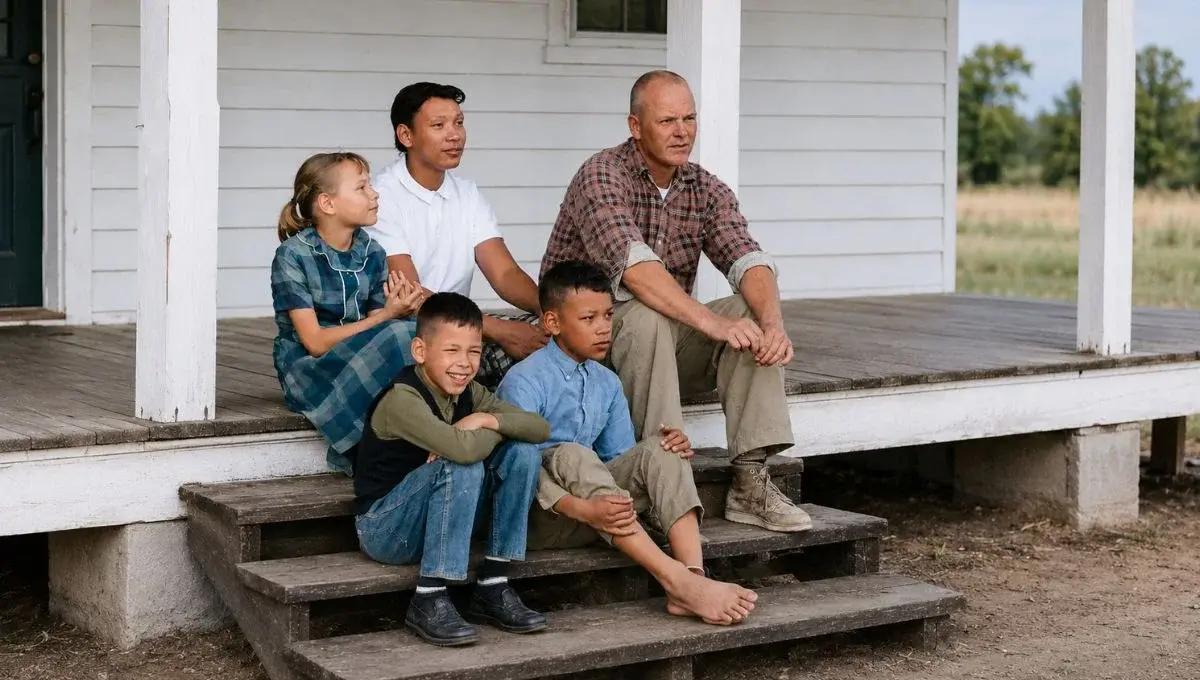
Donald grew up in the Loving family with Sidney and Peggy.
Public family profiles commonly list the children as Sidney, Donald, and Peggy. Sidney was Mildred’s son from a previous relationship, while Donald and Peggy were Mildred and Richard’s children.
| Name | Family Connection |
|---|---|
| Sidney Clay Jeter | Mildred’s son from a previous relationship, raised in the Loving family |
| Donald Lendberg Loving | Son of Mildred and Richard Loving |
| Peggy Loving | Daughter of Mildred and Richard Loving |
This family became part of history because the law tried to separate Mildred and Richard from their home, marriage, and children.
Donald, Peggy and Sidney Loving
People often search Donald Loving together with Peggy and Sidney because all three are connected to the Loving family story.
Sidney was the oldest. Donald and Peggy were the younger children of Mildred and Richard.
Peggy Loving later appeared in public family context connected to the 2016 film Loving, which told the story of her parents.
Donald Loving and Loving v. Virginia
Donald Loving was a child during the years when his parents were fighting for their marriage rights.
The case was not only about legal papers. It was about a real family trying to live together in peace.
In 1967, the U.S. Supreme Court ruled in favor of Mildred and Richard Loving. The decision made laws banning interracial marriage unconstitutional.
Why Loving v. Virginia Matters
Loving v. Virginia is remembered because it protected the right to marry across racial lines.
The case became a major civil rights milestone. It also helped shape later conversations about marriage equality and family rights in the United States.
For Donald, the case meant his family name became part of a legal victory that affected millions of people.
Donald Loving’s Life Away From Fame
Donald Loving did not build a public career in entertainment, politics, media, or books.
There are no widely known public records showing him as an actor, author, business figure, or public speaker.
His profile should be understood as a family legacy biography, not a celebrity gossip story.
Donald Loving Death Record
Public family records list Donald Lendberg Loving as born in 1958 and dying in 2000.
Some websites repeat claims about how he died, but strong public documentation is limited. A careful biography should not turn unclear claims into facts.
The safest public detail is that Donald died in 2000 and is remembered through the Loving family legacy.
How Old Was Donald Loving When He Died?
Public records list Donald Loving as born in 1958 and dying in 2000.
That means he was about 41 years old when he died.
This age is based on the public birth and death years connected to his family profile.
Donald Loving Obituary
Donald Loving’s name appears in family and memorial-style searches.
A detailed public obituary is not widely available from major sources. Because of that, this article does not quote or create obituary text.
For readers, the best approach is to use careful source checks and avoid copying unsupported claims from random biography pages.
Donald Loving Gravestone and Burial Search
Some readers search for Donald Loving’s gravestone or burial place.
Memorial-style pages may include burial details, but those records should be checked before use. A biography should not add cemetery claims unless the record is clearly reliable.
For a public article, the better focus is Donald’s family connection and civil rights legacy.
Donald Loving’s Net Worth
Donald Loving’s net worth is not a meaningful part of his public story.
He was not known as a celebrity, athlete, business leader, or media personality. His public relevance comes from family history and civil rights legacy.
For that reason, this article does not add a fake net worth number.
Donald Loving’s Public Legacy
Donald Loving’s legacy is tied to the Loving family.
His parents fought for the simple right to live together as husband and wife. Their case changed U.S. law and became a symbol of love, equality, and family rights.
Donald’s story reminds readers that major legal cases are not only about courts. They also affect homes, children, parents, and everyday life.
Lessons From Donald Loving’s Family Story
Donald’s public story is short, but the Loving family history carries strong lessons.
- Family rights matter.
- Marriage equality has a real human side.
- Private people can become part of public history.
- Civil rights cases affect children and future generations.
- Love, patience, and courage can help change unfair laws.
Interesting Facts About Donald Loving
- Donald Loving was the son of Mildred and Richard Loving.
- His full name is commonly listed as Donald Lendberg Loving.
- He was raised in the family connected to Loving v. Virginia.
- His parents’ case ended state bans on interracial marriage.
- His family returned to Virginia after the Supreme Court ruling.
- His public profile is mostly connected to civil rights family history.
- He died in 2000, according to public family records.
Final Thoughts
Donald Loving is best understood through the family legacy of Mildred and Richard Loving.
He was not a celebrity in the usual sense. He was part of a family whose fight changed American marriage law.
His story should be handled with respect. The strongest public facts are his connection to Mildred and Richard Loving, his place in the Loving family, his 2000 death record, and the lasting legacy of Loving v. Virginia.