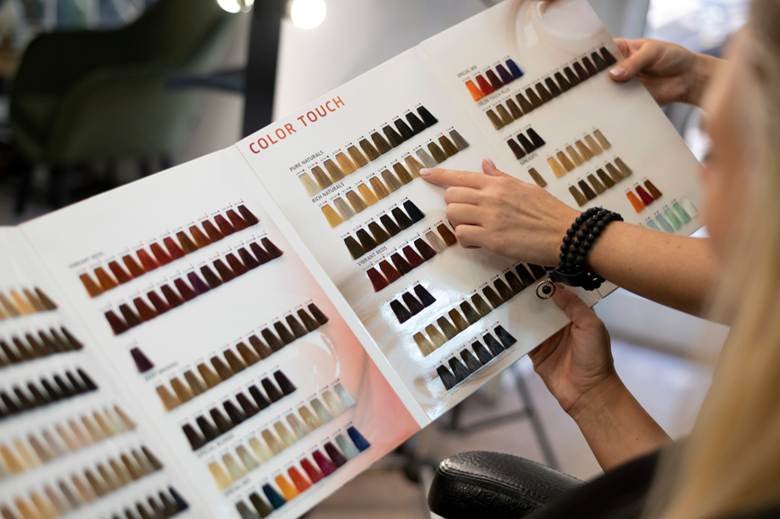
Hair coloring should feel exciting—not overwhelming. Yet with terms like balayage, color correction, gray blending, glossing, and dimensional highlights floating around, it’s easy to feel unsure about what to ask for. The difference between “I like it” and “I love it” often comes down to understanding which technique matches your goals, lifestyle, and hair history.
If you’re considering a color change, this guide will help you make smarter decisions, communicate clearly during your consultation, and maintain healthy, beautiful results long after your appointment.
Start with Your Hair Coloring Goal
Before choosing a shade or technique, define what you actually want your hair coloring to achieve.
1. Add Brightness and Dimension
If you like your natural base but want more movement and light reflection, dimensional color techniques can enhance your look without a drastic transformation.
2. Shift Warmer or Cooler
Sometimes the issue isn’t depth—it’s tone. Brassiness, dullness, or overly ashy shades can often be adjusted with strategic toning rather than a full recolor.
3. Cover or Blend Gray
There’s a difference between full gray coverage and gray blending. Full coverage creates a uniform shade, while blending uses highlights or lowlights to soften contrast and create a more gradual grow-out.
4. Correct Previous Color
Uneven bands, overly dark dye, patchy blonde, or unwanted tones fall under color correction. These services require thoughtful planning to protect hair integrity while achieving balance.
Understanding your goal helps your stylist build a plan that aligns with both your vision and your hair’s condition.
Choosing the Right Technique: Balayage, Highlights, or Custom Color?
Different techniques create very different effects. Here’s how to decide what fits best.
Balayage: Soft, Lived-In Brightness
Balayage creates a hand-painted dimension and typically offers a softer grow-out. It’s ideal if you want brightness without obvious root lines.
If you’re curious about how customized placement can enhance your features, reviewing examples of professional Custom Hair Color services can help you understand what’s possible with tailored techniques.
Best for: Natural-looking dimension and lower visible maintenance lines.
Consider: Toner refresh appointments are still important for maintaining tone.
Highlights: Structured and Brighter
Foil highlights create more uniform brightness and can lift hair lighter than some freehand techniques. They’re excellent for those who want noticeable contrast or lighter overall results.
Best for: Brighter blondes and defined ribbons of color.
Consider: Higher lift may require more consistent toning and hydration treatments.
All-Over Color: Rich, Uniform Transformation
All-over color works well for going darker, shifting undertones, or achieving consistent gray coverage.
When transitioning dramatically—especially from dark to light—it’s important to understand whether multiple sessions may be required. A thorough Color Consultation ensures your expectations align with what your hair can realistically achieve in one visit.
Best for: Solid coverage and noticeable tonal shifts.
Consider: Long-term maintenance if switching dramatically from your natural shade.
The Consultation Checklist: What to Discuss Before Coloring
A strong hair color consultation sets the stage for success. Here’s what to cover:
Bring Reference Photos (But Be Specific)
Instead of saying “I want this,” explain what you like:
- The brightness around the face
- The root depth
- The warmth or coolness of the tone
- The overall contrast
This prevents miscommunication and ensures alignment.
Share Your Hair History
Previous box dye, chemical treatments, keratin services, and past highlights all affect how hair processes. Transparency allows your stylist to make safe, effective decisions.
Discuss Maintenance Honestly
Ask:
- How often will I need toner or gloss appointments?
- What does a grow-out look like at 8–12 weeks?
- Which shampoo supports my tone?
- Should I expect multiple sessions?
Hair coloring isn’t just about the appointment—it’s about how it looks weeks later.
Protecting Hair Health During the Coloring Process
Beautiful color should never come at the expense of hair integrity.
Prioritize Gradual Transformations
Going significantly lighter often requires patience. Responsible colorists may recommend phased lightening to protect the hair’s structure.
Hydration Is Essential
Lightened hair requires moisture-focused products and, in some cases, strengthening treatments. Ask about conditioning services that can support long-term shine and softness.
Don’t Skip Aftercare
Purple or blue shampoos can help maintain blonde tones—but overuse can cause buildup or dullness. A professional recommendation ensures balance.
How to Choose the Right Shade for Your Skin Tone
Tone plays a major role in how flattering your hair color looks.
- Warm undertones: Golden, caramel, honey, and warm browns often complement each other beautifully.
- Cool undertones: Ash, beige, mushroom tones, and cooler brunettes may enhance balance.
- Neutral undertones: You may have flexibility between warm and cool variations.
If unsure, consult a professional who evaluates not only skin tone but also eye color, natural depth, and personal style.
The Maintenance Mindset
The most successful hair coloring decisions take lifestyle into account. Ask yourself:
- Do I want appointments every 6–8 weeks?
- Am I comfortable with visible root contrast?
- Do I heat style frequently?
- How much daily effort am I willing to invest?
A high-maintenance blonde may look stunning—but only if you’re prepared for upkeep. Similarly, a softer dimensional look may offer flexibility if your schedule is busy.
When your expectations match your maintenance level, your color remains satisfying over the long term.
Final Thoughts
Hair coloring is both art and strategy. The right shade and technique should enhance your features, complement your routine, and protect your hair’s health. Whether you’re adding dimension, blending gray, or planning a major transformation, clear communication and thoughtful planning make all the difference.
What’s your biggest question about hair coloring right now—choosing a shade, deciding between balayage and highlights, or managing maintenance? Share your thoughts in the comments below.