Wireless charging has rapidly become a luxury feature, but it has become a day-to-day convenience. Being a person who has tried and reviewed charging accessories over the years, I have personally experienced the way the correct wireless charger can make life easier, lessen the number of cables, and even increase the life of a phone.
However, there are many options and it is hard to pick the right one that fits your phone model and this is how it may seem overwhelming, so when you are about to buy wireless chargers for the first time. This guide is a clear breakdown of it, and therefore you can make a confident and informed decision.
Understanding How a Wireless Charger Works
A wireless charger is an electromagnetic induction power transporter that sends a charge to your phone via the charging pad. As the idea is easy to grasp, not all compatibility works.
The phone should have the Qi wireless charging standard that is now widespread in the majority of modern Android phones and iPhones. Prior to purchasing wireless chargers, ensure that your phone model is Qi charging and remember the maximum wattage that it can charge.
Experience shows that most users do not pay much attention to this step and they have a charger, which works, however, much slower than it should. It is not just about the names of the brands, but matching technology.
Match the Wireless Charger to Your Phone Model
Phone Compatibility and Qi Standards
Wireless chargers do not produce the same output. There are those phones that are 5W optimized and others are 10W, 15W or more. A lower-wattage wireless charger will work, but the rate of charging will be reduced. When purchasing wireless chargers, you should find those that have the phone brands and charging speed clearly specified.
Charging Speed and Power Output
One of the largest selling points in the modern world is fast wireless charging. Samsung, Apple, and Google phones are different in the way they manage power. When selecting a wireless charger, one should have the ability to charge their phone fast, such that the phone and wireless charger can perform effectively.
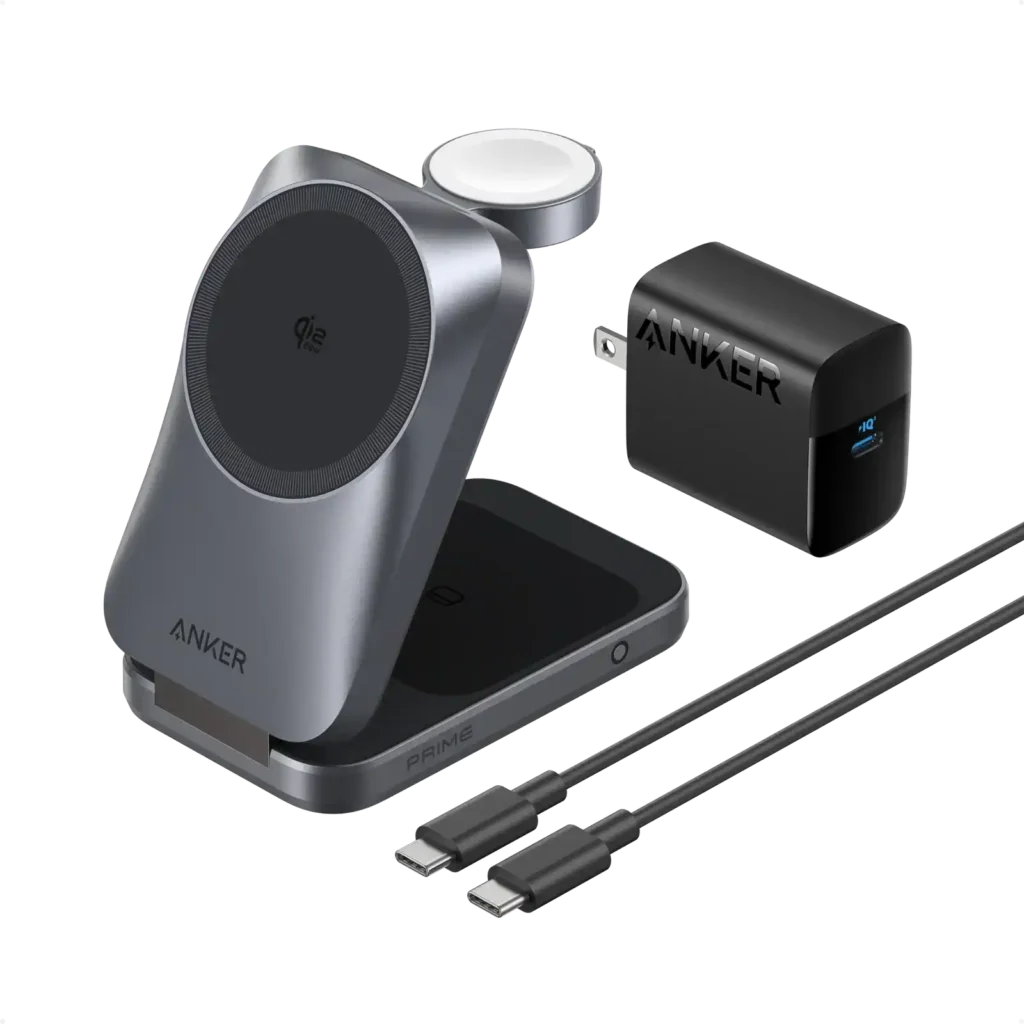
Other brands such as Anker have established a reputation of providing chargers that are fast and well-regulated in heat, which is paramount to battery life.
In my experiment, the more wattage chargers used in combination with appropriate adapters always took a shorter amount of time to charge without excessive overheating, which cheaper models frequently fail to achieve.
Design and Everyday Usability
Charging Pad vs Charging Stand
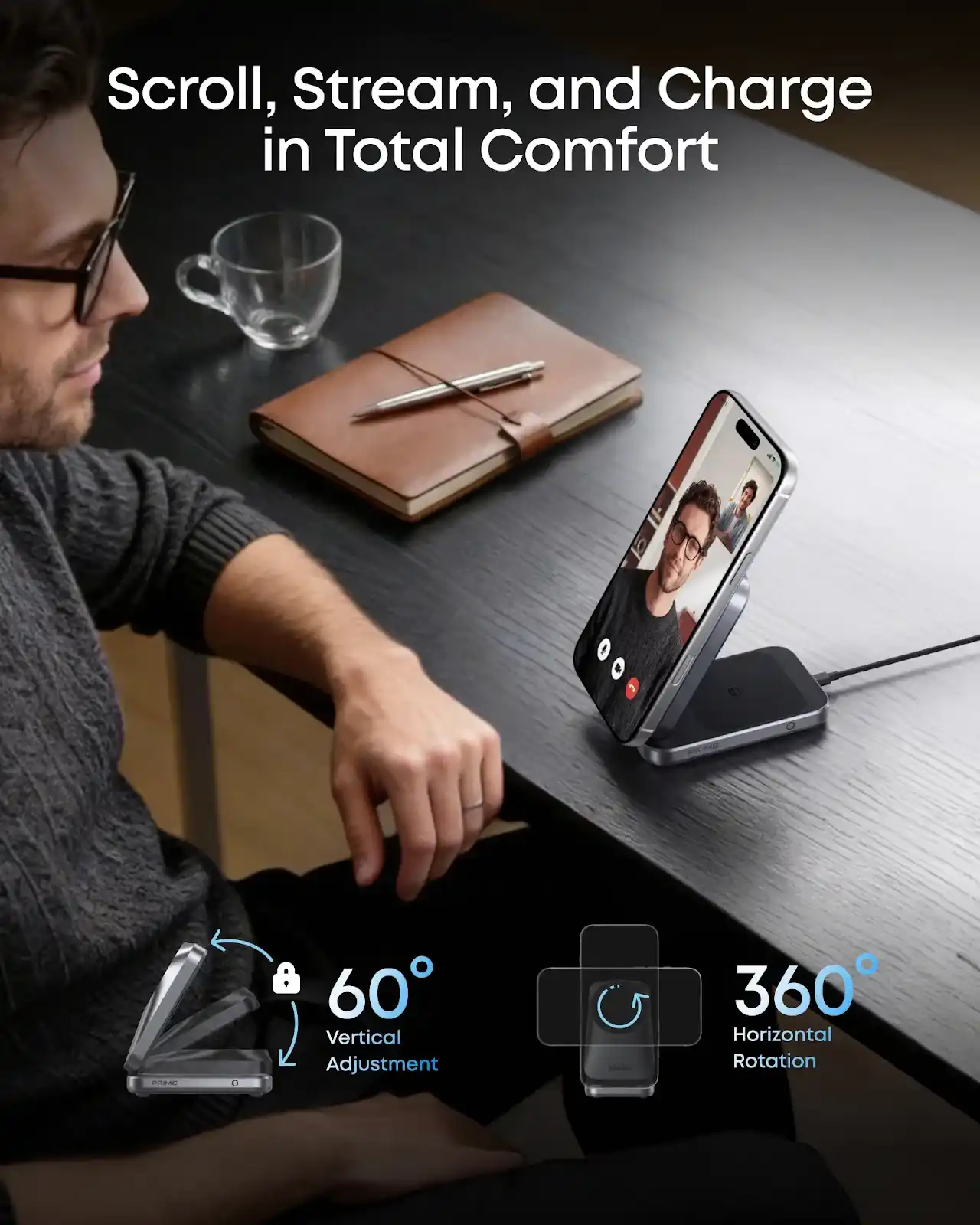
The shape of a wireless charger influences the convenience on a day-to-day basis. Charging pads are small and can fit on the nightstand, whereas stands enable you to see notifications or a video call and charge at the same time.
A stand-style wireless charger can be a better fit in your lifestyle in case you use your phone a lot throughout the day.
This is usually an individual decision, but it is a decision that affects post purchase satisfaction.
Case Compatibility and Alignment
One of the most frequent complaints that I have heard among users is that phone cases make charging intermittent.
Wireless charging can be disrupted by thick cases, metal plates or other magnetic accessories. When you shop wireless chargers, make sure to look at the case-on charging capability and thickness of the charger.
The best wireless chargers have alignment guides or larger coils and you do not have to keep moving your phone back and forth.
Safety, Build Quality, and Brand Reliability
Why Brand Reputation Matters
A good wireless charger must have a temperature sensor, a surge protection sensor, and a foreign object sensor.
These accessories secure your phone and the charger as well. I have over the years observed that batteries have been spoiling quicker when used with poorly regulated chargers despite the fact that the charging speeds were impressive on paper.
Why Brand Reputation Matters
Although generic chargers can be very appealing because of the price, such well-known brands as Anker invest a lot in the safety tests and durability.
When selecting a good brand, the problems are usually reduced, the speed of charging is always the same, and the service to the customer is improved.
Price vs Performance: Finding the Right Balance
An increased price does not necessarily result in better performance but very cheap wireless chargers can be corner cut. When you shop wireless chargers, you need to find a compromise between price, certifications, and real-life reviews. It is worth spending a little more initially to save on money by preserving the battery of your phone in the long run.
Conclusion
The selection of the appropriate wireless charger to use on your phone model is not about following a fashionable trend but rather compatibility, safety, and practical use in everyday activities. By understanding your phone’s charging capacity, choosing the right power output, and relying on a reputable brand such as Anker, you can ensure reliable performance over the years.
When anyone is to shop wireless chargers with these considerations in mind, you are not just investing in convenience—you are also protecting the long-term health and efficiency of your device.
FAQs
Does it work with all phones in terms of wireless chargers?
No, the wireless chargers should be equal to your phone charging standard and wattage. It is best to ensure that Qi is compatible and that it has the required power before buying.
Does wireless charging harm the phone batteries?
Wireless charging is safe and does not harm the modern smartphone batteries when a high-quality wireless charger is used and it has a proper temperature control.
Is it possible to use a wireless charger with a phone case?
The majority of wireless chargers are compatible with normal cases, however, extremely thick or metallic cases can disrupt the charging performance.
Do fast wireless chargers pay off?
The high-wattage wireless chargers are worth the money provided that your phone can charge faster, you are willing to spend less time charging devices without cables.
What is the reason to use branded wireless charger rather than a generic one?
Branded wireless chargers usually have more features of safety, reliability, and higher longevity, which makes them a more intelligent long-term decision.