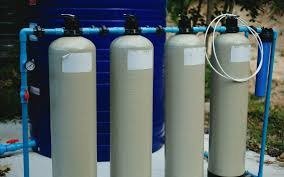
Introduction to Water Filtration and Purification
Water seems uncomplicated. Streams of pure water through plumbing stay tasteless and quietly moving without obstructions. Yet this unseen aspect forms the foundation of quality. Water often carries dissolved salts along with bacteria and sediments in addition to heavy metals and chemicals. The water filtration process together with purification-based processes provide the solution. These processes have become mandatory health systems that safeguard both people and equipment and have wide-ranging industrial applications.
Water scarcity and desalination drive the supply chains in the UAE thus placing great importance on professional Water Treatment Companies in UAE.
Why Clean Water Matters More Than Ever
Safe drinking water represents only a part of clean water requirements. The benefits extend to food manufacturing together with medical services and production processes and hotel operations and landscaping services. The substandard water quality causes heavy pipeline damage and extends equipment lifespans and boosts operational expenses. An untreated water stream functions like sandpaper when it moves through your equipment. Damage to your systems will happen with ongoing use.
What Is Water Filtration?
Definition and Core Purpose
Water filtration represents the physical removal of suspended solids from water combined with chemical procedures to eliminate sediments and chlorine and odor and certain contaminants. It assumes responsibility for the initial defensive barrier. Filtering water does not guarantee microbial safety for drinking purposes, but it allows water to undergo subsequent purification stages.
Common Contaminants Removed by Filtration
Filtration targets:
· Sand and silt
· Rust particles
· Organic matter
· Chlorine and unpleasant taste
· Visible turbidity
Downstream treatment systems face severe effects from these normally minor contaminants.
What Is Water Purification?
How Purification Differs from Filtration
Purification investigates beyond surface contaminants. Filtration eliminates what is visible while purification eliminates invisible contaminants. Purification processes handle bacteria and viruses along with dissolved salts and heavy metals and chemical residues. The process of filtration purifies water while purification processes make water safe to drink.
Microbial and Chemical Treatment Processes
Clearing pathogens and dissolved contaminants becomes possible using cutting-edge membrane technology and ultraviolet light along with chemical agents and oxidation methods.
Key Differences Between Filtration and Purification
Filtering systems operate by adopted techniques or through mechanical approaches while purification uses chemical treatment with biological processes or uses membrane technology. Industrial and commercial settings use combined water treatment systems incorporating both filtration and purification to achieve optimal operational outcomes.
Also Read this: Little Minaxo: Minimalist or Maximalist? Finding the Perfect TV Wall Unit for You
Types of Water Filtration Systems
Sediment Filtration
Sediment filters efficiently remove coarse debris while protecting equipment through efficient filter action. Sediment filters function as protective devices against physical device harm for pumps and membranes as they work alongside valves. Essential simplicity meets necessity in a basic filter design.
Activated Carbon Filters
Carbon filters perform a sponge-like function by absorbing substances and tastes and odors. Chlorine and organic compounds and odors get eliminated through their absorption capabilities. The filters both enhance water flavor and protect equipment vulnerable to damage.
Multimedia Filters
Multimedia filters use layered media such as gravel, sand, and anthracite. They handle higher flow rates and are commonly used in industrial pre-treatment.
Membrane-Based Filtration
Membrane filtration includes microfiltration and ultrafiltration. The systems purify drinking water by extracting microscopic particles with advanced purification methods that prepare water for further treatment steps.
Reverse Osmosis Explained
How RO Membranes Work
Reverse osmosis enables salt removal and contaminant reduction by forcing water through semi-permeable membranes. It resembles filtering water through microscopic channels that allow only pure molecules to move through.
Importance of Quality RO Membranes
A quality membrane determines the overall success of a RO water treatment system. The reliability of RO membrane suppliers in UAE stems from their ability to provide membranes which guarantee high rejection rates and extended service life and steady output performance under harsh water conditions.
Applications for RO Systems
RO systems are widely used in:
· Drinking water plants
· Bottled water facilities
· Pharmaceuticals
· Food and beverage industries
· Desalination pre- and post-treatment
Role of RO Membrane Suppliers in UAE
The importance of RO membrane suppliers emerges from the UAE’s dependence on treated and desalinated water. RO membrane suppliers maintain system efficiency while guaranteeing standard adherence and providing long-term operational stability. Selecting trustworthy suppliers leads to better water quality along with reduced maintenance expenses.
Essential Water Purification Technologies
UV Water Purification
Ultraviolet light deactivates waterborne bacteria and viruses within ultraviolet water treatment systems. No chemicals, no taste alteration. As the last disinfection step UV treatment remains ideal.
Chemical Disinfection
Large-scale chemical systems use chlorination along with chemical dosing for effective operation. These solutions form distribution networks with residual protective elements.
Ozonation Systems
Ozone is a powerful oxidizer. It destroys pathogens and breaks down organic contaminants. Advanced industrial applications often use this system.
Industrial vs Residential Water Treatment
Residential water treatment focuses primarily on drinking water’s safety alongside its improved taste qualities. Industrial water systems focus on delivering consistent quality while providing scalable solutions alongside equipment protection capabilities. Industrial operations need exact water quality control because small differences in their water supply affect process performance. A professional Water Treatment Company in UAE provides crucial service in this situation.
Importance of Water Treatment Equipments
Core Components of a Water Treatment Plant
A complete water system requires multiple components that include membranes and pumps and control valves linking to filters and dosing systems and monitoring instruments. A proper functioning system depends on the defined functions of all components.
Choosing Reliable Water Treatment Equipment Suppliers in UAE
Well-built equipment provides benefits in both efficiency and regulatory standards adherence. Established services in Water Treatment Equipment Suppliers in UAE supply products with certification along with technical help and ongoing reliability.
Why Businesses Rely on a Professional Water Treatment Company in UAE
Water treatment lacks a one-size-fits-all approach. Systems need evaluation and customization before installation and require future maintenance services. Experienced water treatment companies establish designs by analyzing water characteristics and user patterns alongside regulations. This approach enhances operational continuity and safeguards business assets.
Regulatory Standards and Water Quality in the UAE
UAE authorities maintain rigorous standards across three main water categories: drinking water quality together with industrial usage water standards and discharge water regulations. Organizations must comply with these regulations because they are non-negotiable rules. The right filtration and purification systems help organizations maintain quality standards while reducing operation-related risks.
How to Choose the Right Water Treatment Solution
Assessing Water Quality
Testing represents the needed first step for a water treatment system. Contaminant knowledge underpins any effective water treatment solution.
Matching Technology to Usage
The needs of hotels differ fundamentally from factories and hospitals. Appropriate technology selects between cost optimization and operational performance and scaling capabilities.
Future Trends in Water Filtration and Purification
UAE water treatment systems of the future rely on smart monitoring systems with sustainable membranes and power-saving treatment technologies. Through automation combined with data-driven techniques water treatment systems of the next generation will emerge in the UAE and worldwide.
Conclusion
Strategic importance now drives water filtration and purification systems in health and sustainable operations and effective operational achievements. Every decision from finding reliable RO Membrane Suppliers in UAE through collaboration with Water Treatment Equipment Suppliers in UAE makes a difference. Water quality remains controlled and compliant and future-ready when you partner with a Water Treatment Company in UAE that you trust.
FAQs
1. Is filtration alone enough to make water safe for drinking?
Salient filters perform particle removal, yet you need purification to remove bacteria as well as viruses and dissolved water contaminants.
2. Why is reverse osmosis widely used in the UAE?
The RO technology works perfectly for desalinating brackish sources and removing dissolved solids from these waters due to its capability to eliminate high concentrations of salt.
3. How often should RO membranes be replaced?
Maintenance along with water quality determines the replacement period for RO membranes but ideal operations guarantee replacement every 2–3 years.
4. What industries benefit most from advanced water treatment?
Food processing together with pharmaceuticals combined with hospitality and manufacturing and healthcare depends extensively upon advanced treated water.
5. Can one system handle both filtration and purification?
A single integrated system performs multiple filtration and purification stages to guarantee complete water treatment delivery.