Fashion is more than just clothes; it’s a reflection of who we are, our values, and how society changes over time. Fashion trends in the 1900s and 2000s played a significant role in shaping cultural identity and social expectations. While today’s fashion is all about comfort and self-expression, it’s important to look back at how fashion in the past created a sense of respect, dignity, and even unity within society. In this article, we’ll explore why fashion from the 1900s and 2000s was better than today, focusing on the growing trend of casual, revealing clothing, and what impact this has on our culture.
The Fashion of the 1900s: Elegance, Modesty, and Respect
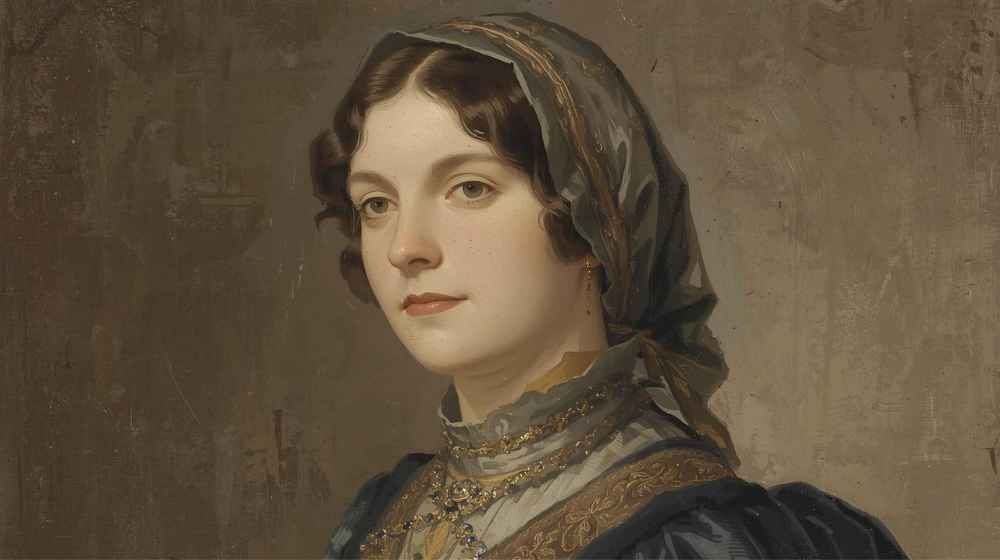
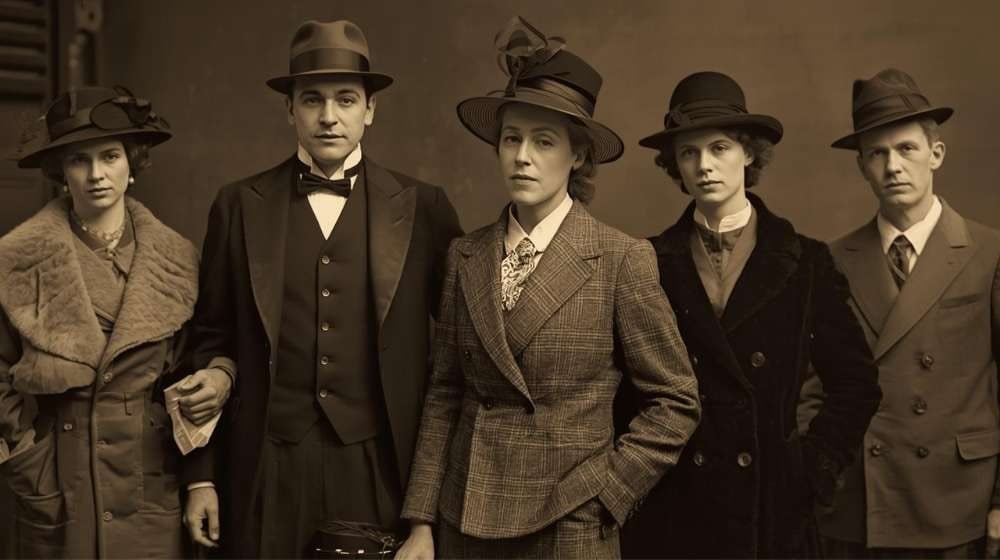
In the early 1900s, fashion was not just about looking good—it was about expressing respect, class, and societal values. Women dressed in elaborate, full dresses with corsets, and men wore formal suits, often including waistcoats, ties, and top hats. This fashion was influenced by the need to project a formal and polished appearance. People dressed according to social class, and dressing well was a sign of respect for yourself and others.
Formal Clothing Was the Norm
During this time, formal clothing was expected in nearly all settings, from work to leisure. Women would wear long, flowing skirts and dresses, often adorned with lace, ribbons, and other delicate details. These clothes were made with great care and attention to detail, often custom-made for the individual. Men, too, were expected to wear formal suits, often with vests and ties, to project respectability.
Clothing as a Marker of Social Status
In the 1900s, your clothing was a clear sign of your social standing. If you wore formal, well-tailored clothes, it reflected your place in society. Social decorum was a big part of everyday life, and clothing was one of the ways people showed respect for the occasion and the people around them. The idea was that how you dressed said a lot about who you were as a person.
RAD THIS ALSO: Best Watches to Buy in 2026
The 2000s Fashion: A Shift Towards Casual and Comfortable Styles
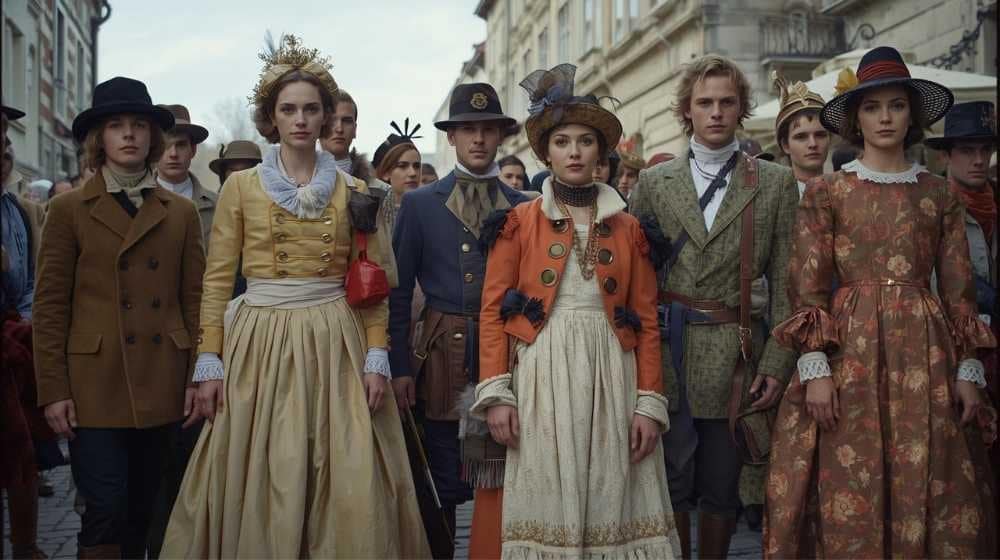
As the 21st century arrived, fashion started to shift away from the rigid, formal styles of the past. The 2000s saw a rise in casual fashion, as comfort became more important in daily life. People began embracing relaxed clothing, such as jeans, t-shirts, and sneakers, instead of the stiff, formal attire of the past.
Casual Fashion Becomes Mainstream
In the 2000s, people started wearing more comfortable clothes on a daily basis. Streetwear brands like Nike, Adidas, and Vans became popular, and jeans and t-shirts became the go-to look for many. Even in business settings, the rigid suit-and-tie look began to loosen up, with more relaxed dress codes becoming common in workplaces.
The Rise of Individuality in Fashion
The 2000s were also a time when personal expression through fashion began to thrive. People wore clothes that represented their personality and preferences rather than following strict social rules. Whether it was the punk rock style, hip-hop fashion, or bohemian chic, clothing became a way for individuals to express their unique identity and style. This was a shift from the more uniform styles of the 1900s, where fashion was about fitting in rather than standing out.
The Rise of Two-Piece Outfits: Changing Society’s View of Modesty
One of the most significant trends today is the rise of two-piece outfits, such as crop tops, bikinis, and other revealing clothing. While these styles allow for self-expression and body positivity, they have sparked debates about modesty, respect, and social norms.
Casual and Revealing: A Double-Edged Sword
The rise of two-piece outfits, especially in public spaces, reflects a shift towards a more relaxed approach to dress codes. Clothes that were once considered private or intimate—like swimwear—are now worn in everyday settings, such as cafes, stores, and even workplaces. While this change allows individuals to express themselves more freely, it has raised concerns about the loss of modesty and respect for public spaces.
Some argue that these trends contribute to the objectification of people, particularly women, by focusing attention on physical appearance rather than personality or intellect. In contrast to the modest and respectful STYLE of the past, revealing clothing can sometimes send the message that a person’s value is based solely on their appearance.
Europe vs. the East: The Global Spread of Western Fashion
The rise of casual and revealing clothing has not only impacted Western countries but has also influenced other parts of the world, including Eastern societies. As global fashion trends have become more interconnected, cultures around the world have embraced Western-style clothing, including two-piece outfits. However, the acceptance of these trends varies widely.
Europe’s Embrace of Casual Fashion
In Europe, the rise of revealing fashion has been largely embraced. European countries, known for their liberal and free-spirited approach to clothing, have seen the popularity of two-piece outfits, especially during summer months at the beach or in public spaces. In cities like Paris, London, and Barcelona, wearing bikinis or crop tops in public is not just accepted—it’s considered a sign of confidence and individuality.
Resistance in Eastern Societies
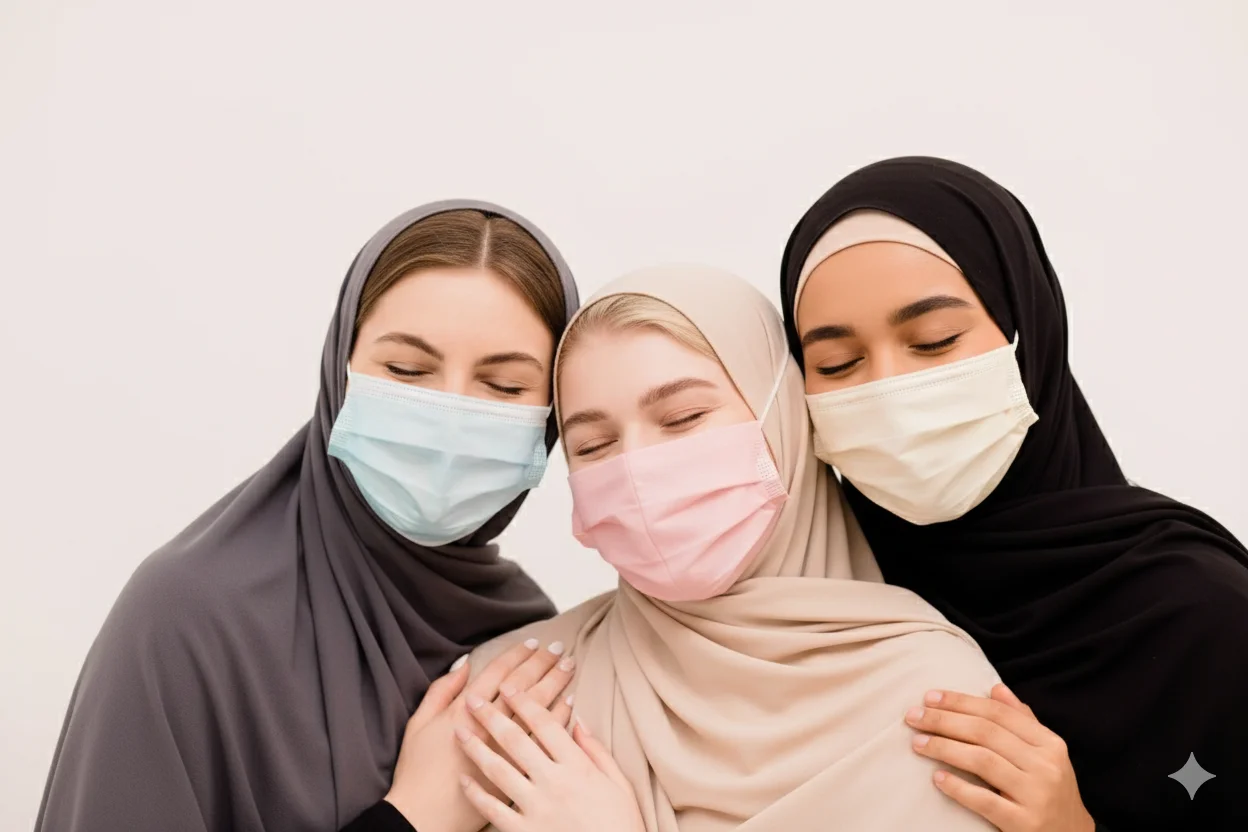
In contrast, many Eastern societies, including those in the Middle East, South Asia, and Southeast Asia, have been more resistant to these Western Style trends. In countries like Saudi Arabia, Pakistan, and India, traditional clothing such as the abaya, sari, or salwar kameez emphasizes modesty and cultural identity. The rise of revealing clothing, especially in public, has led to debates about the preservation of cultural and religious values.
The clash between Western and Eastern fashion reflects a broader cultural conflict. As Western fashion continues to influence global trends, traditional cultures face pressure to adopt these styles, which may not align with their values of modesty and respect. The growing popularity of revealing clothing in the East has raised concerns about the erosion of cultural identity and the changing role of clothing in society.
The Negative Impacts of Today’s Fashion on Society
While fashion today allows for freedom of expression and body positivity, there are significant concerns about how current trends are affecting society. Let’s explore some of the negative impacts of today’s casual and revealing clothing styles.
Erosion of Social Respect and Modesty
In the past, clothing was a way to show respect for others and maintain a sense of decorum. The fashion of the 1900s and 2000s emphasized modesty and formality, which helped establish clear boundaries for social behavior. Today’s casual wear, especially revealing clothing, has contributed to the erosion of these boundaries. The rise of two-piece outfits and similar styles in public spaces has blurred the lines between private and public attire, leading some to argue that it has diminished respect for personal boundaries.
Increased Objectification and Unrealistic Beauty Standards
One of the biggest issues with today’s revealing fashion trends is the objectification of individuals. When clothing focuses more on showcasing the body than on personality or character, it can lead to the objectification of the person wearing it. This is especially problematic for women, who are often judged based on their appearance rather than their abilities. The widespread exposure of “ideal” body types on social media can also contribute to unrealistic beauty standards, which affect self-esteem and body image.
Loss of Cultural Identity and Traditional Values
In many Eastern societies, the rise of Western fashion trends, including casual and revealing clothing, is seen as a threat to cultural identity. Clothing has long been a symbol of cultural heritage, and the adoption of global trends has created a tension between modern fashion and traditional values. The shift away from modest clothing has led to concerns about the loss of cultural heritage and the impact on the younger generation’s understanding of respect and dignity.
The Decline of Formality in Public Settings
The move towards casual wear has resulted in the decline of formality in many public spaces. Today, people are more likely to wear jeans and t-shirts to events that once required formal attire, such as weddings, business meetings, and dinners. While comfort is important, the absence of formality in these settings can reduce the sense of professionalism and respect for the occasion. In the past, clothing was carefully chosen to reflect the significance of the event, but today’s casual fashion often misses that point.
Bringing Balance Back to Fashion: A Call for Respectful Expression
While fashion should always reflect individual expression and creativity, it’s essential to recognize that clothing also serves a social function. The fashion of the 1900s and 2000s offered a balance between personal expression and social respect. Today’s fashion, with its focus on comfort and casual wear, has its place, but it’s important not to lose sight of the values that fashion once represented.
Embrace Modesty Without Losing Individuality
Fashion should allow people to express themselves while also maintaining a sense of respect for others. Modesty doesn’t mean sacrificing style or individuality. It’s possible to wear clothing that is both fashionable and respectful, promoting confidence without compromising one’s dignity.
Restore Social Respect and Professionalism
There needs to be a return to a balance between casual and formal attire, especially in professional settings. While casual clothing is comfortable and practical, dressing appropriately for certain occasions should be a sign of respect for the event and the people involved. By reintroducing the idea that clothing reflects social values, we can create a more respectful and cohesive society.
Preserve Cultural Heritage
For societies where traditional clothing plays a vital role in cultural identity, it’s important to preserve these values while still embracing modern fashion trends. There’s room for both personal expression and respect for cultural heritage, and by finding this balance, we can celebrate both individualism and cultural pride.
Conclusion: The Timeless Impact of Fashion
Fashion is an essential part of society, influencing how we see ourselves and how others perceive us. While today’s fashion trends offer comfort and self-expression, it’s important to recognize the lessons from the 1900s and 2000s. Clothing has the power to shape cultural identity, promote respect, and reflect societal values. By embracing a more balanced approach to fashion—one that combines individuality with modesty and respect—we can create a fashion culture that empowers individuals while maintaining a sense of dignity and social cohesion.