The world of eCommerce has never moved so fast. With millions competing for eyeballs in the marketplace, it is no longer a game of digital storefronts that retailers can rely on. Customer expectations have changed dramatically-the modern shopper needs speed, personalization, and seamlessness on mobile. Therefore, powerful eCommerce platforms combined with innovative mobile app development solutions have become a strategic necessity rather than a luxury.
In return, brands that recognize the value of mobility and invest early in technology are setting themselves up not only to better engage customers but also to construct future-ready digital ecosystems that will scale and compete on a global level. In such a modernizing landscape, e-commerce companies are finding that mobile apps are among the most powerful growth enablers in today’s digital commerce landscape.
Mobile Commerce: The New Retail Standard
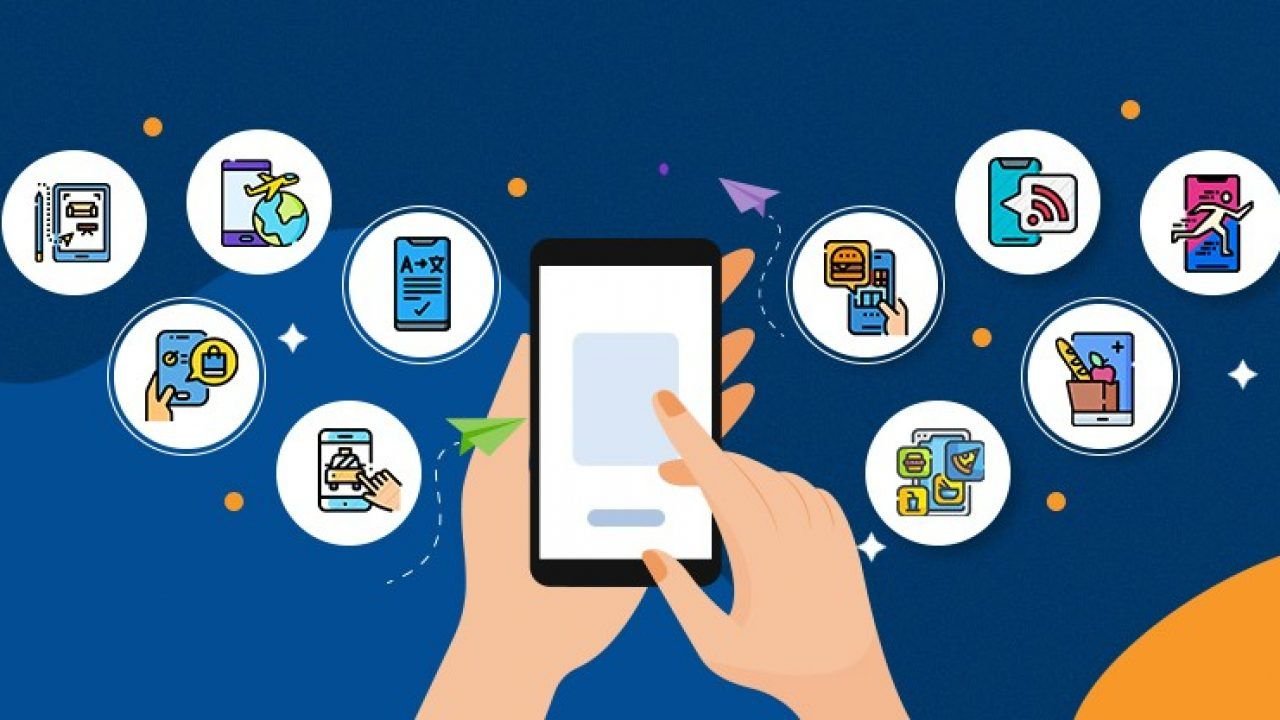
Smartphones have become the primary means of accessing the internet in the last decade, fundamentally changing how consumers use the internet to search, shop, and purchase. Today, there is a significant share of total online purchases attributable to mobile commerce, and shopper behavior supports a permanent move to mobile devices.
Instant access, seamless navigation, safe checkout and customized content/color create intuitive, speed and engaging mobile experiences. Knows, while responsive to a given platform useful, they are not equal to the convenience, speed and customized experience of dedicated mobile applications. Push notifications, one-click payment, in-app loyalty programs and recommendations make purchasing feel immediate and personal.
For retailers who can provide an expressly mobile experience will see improvements in purchase satisfaction, general retention, and repeat purchases, all very important in building a long-term growth for eCommerce.
The Role of Apps in Attracting and Retaining Customers
Customer loyalty becomes much harder to retain in a world where, in a split second, the customer compares prices and is bombarded by infinite choices for anything. Users will go to services that offer superior and frictionless interactions. Mobile apps can include capabilities that are designed to build long-term relationships.
The reasons that make users feel special are an improved UI/UX design, better speed, secure ways of logging in, and smart personalization. Additional touchpoints through features like wish lists, abandoned cart reminders, and reward programs heighten brand affinity. Also, mobile apps introduce a controlled digital environment wherein brands can manage the customer experience completely, without depending on external algorithms or browser behavior.
Investing in mobile experiences with robust eCommerce web development solutions, businesses to build an omnichannel environment where each customer’s touch point is optimized for maximum conversion and satisfaction.
Mobile applications allow for personalized shopping experiences.
Convenience is what they love, and consumers generally reward the brands that make shopping easier. Mobile applications are at the front of proximity-based recommendations and deliver heavily personalized experiences rooted in collected browsing and purchase history. Consumers appreciate product recommendations, in-app promotions, and customer service right at their fingertips, faster and easier than web browsers.
Recommendation engines, AI-powered search functionality, personalized pricing alerts, and browsing history across devices provide a seamless retail experience as users can customize their shopping experience to match their own browsing and purchasing habits. As a result, mobile shopping increases the likelihood of consumers putting time into their product search, as well as completing transactions.
This type of hyper-personalization is practically unattainable via web browsers, which is a core differentiator of app-driven commerce in today’s retail world.
Driving Competitive Advantage through Technology.
eCommerce competition would only grow. Global platform giants would be setting innovation levels with mid-size and emerging brands having to move quickly in order to avoid being left behind. Advanced mobile strategies would ensure businesses are visible, accessible, and relevant in the consumer mindset.
A well-designed app integrated with strong backend systems empowers retailers to offer quicker product launches, flash sales, tracking of orders, and multiple payment gateways with ease. More than sales, mobile platforms help businesses in gathering actionable customer insights that drive marketing campaigns and product planning.
The strategic mix of consumer-centric features, operational efficiency, and data intelligence empowers businesses to beat their peers, which only rely on a standalone website.
The Power of Seamless Multichannel Integration
Going forward, for the brands that use eCommerce in these modern times of the digital economy, successful performance requires the ability to present seamless experiences across all touchpoints: web, mobile, and physical stores, in cooperation with social platforms. Mobile applications serve as a bridge that unifies diverse channels and creates seamless transitions for users.
Inventory visibility, single user accounts, cart sync, and real-time order status updates combine to seamlessly guide the customers through the purchase journey. Integrated live chat or embedded chatbots amp up customer support, thereby allowing the businessman to get back to queries promptly.
The more integrated these touchpoints are, the more this fosters trust, strengthens brand identity, and enhances the shopping experience. The customers are able to engage with your brand at any given time and from any location, which enhances customer retention and eventually leads to more conversions in sales.
Security, Performance, and Scalability at the Core
Data security and scalability go hand in hand with an eCommerce platform. Whereas sensitive information related to customers and financial transactions is at stake, mobile apps designed on advanced encryption and compliance frameworks assure added security. Secure architecture, multi-factor authentication, biometric login options, and encrypted transactions instill confidence in the users.
With growing business traffic, the performance and scaling benefits also extend to mobile apps. Faster loading times, offline accessibility, and optimized features help minimize drop-offs and maximize conversions. This is achieved with cloud-based architectures and scalable back-end frameworks. In this way, companies can rapidly grow without sacrificing performance. By integrating the mobile platforms with future-focused web solutions, the organizations build robust foundations for expansion.
Choosing the Right Digital Partner
Success in mobile-enabled e-Commerce heavily relies on the right choice of strategic development partner. Collaboration with experienced teams, focused on mobile innovation and e-Commerce web development solutions, ensures that businesses get the tailored platforms built for reliability, performance, and long-term success.
From custom design of interfaces to back-end development, API integrations, and payment processing, extending into ongoing maintenance, the right partner will support the entire digital commerce lifecycle. Therefore, choosing experts with proven capability in the field of mobile app development solutions will position eCommerce businesses for competition at the highest levels in the digital marketplace.
Final Thoughts
The eCommerce sector is rapidly evolving into an experience-based, hyper-competitive environment and businesses that fail to innovate run the risk of customers flocking to more nimble mobile-enabled competitors. A mobile app is no longer an option, it has become an essential part of any successful digital commerce strategy.
As consumers continue to raise the bar for their expectations, businesses deploying mobile-first experiences will benefit from improved customer loyalty, rapid conversion, and increased brand awareness. The future of retail belongs to companies with a combination of high-tech, personalization, and frictionless omnichannel engagement – all of which is at the core of a mobile app.
For eCommerce companies looking to scale in an increasingly demanding marketplace, investment in mobile-first growth is not only a strategy to differentiate from the competition, but is an essential component of a long-term, sustainable digital strategy.