Today’s clean diesel engines are designed to maintain an optimal balance of performance, emissions, and durability. The exhaust gas recirculation system, commonly known as the EGR system, is one of the most controversial components within that balance. Drivers regularly want to know whether an egr delete kit or an EGR cooler delete kit is truly effective.
Having worked with diesel platforms for more than a decade, I have seen these differences not only on diagnostic screens but also in how engines look, sound, and perform on the road.
Breaking Down the Stock EGR System
To understand why EGR systems generate so much discussion, it helps to look at how a stock setup operates.
The factory EGR system routes a portion of exhaust gases back through the intake manifold. This process is designed to reduce combustion temperatures and lower nitrogen oxide emissions. From an emissions standpoint, this approach meets regulatory requirements. Mechanically and visually, however, it introduces soot, condensation, and heat into areas intended for clean airflow.
When inspecting a stock engine with moderate mileage, it is common to find heavy carbon buildup around the EGR valve, intake runners, and throttle body. Over time, this buildup restricts airflow and dulls throttle response. Visually, stock systems often show darker intake passages and more complex, cluttered plumbing under the hood.
What an EGR Delete Kit Does in the Engine Bay
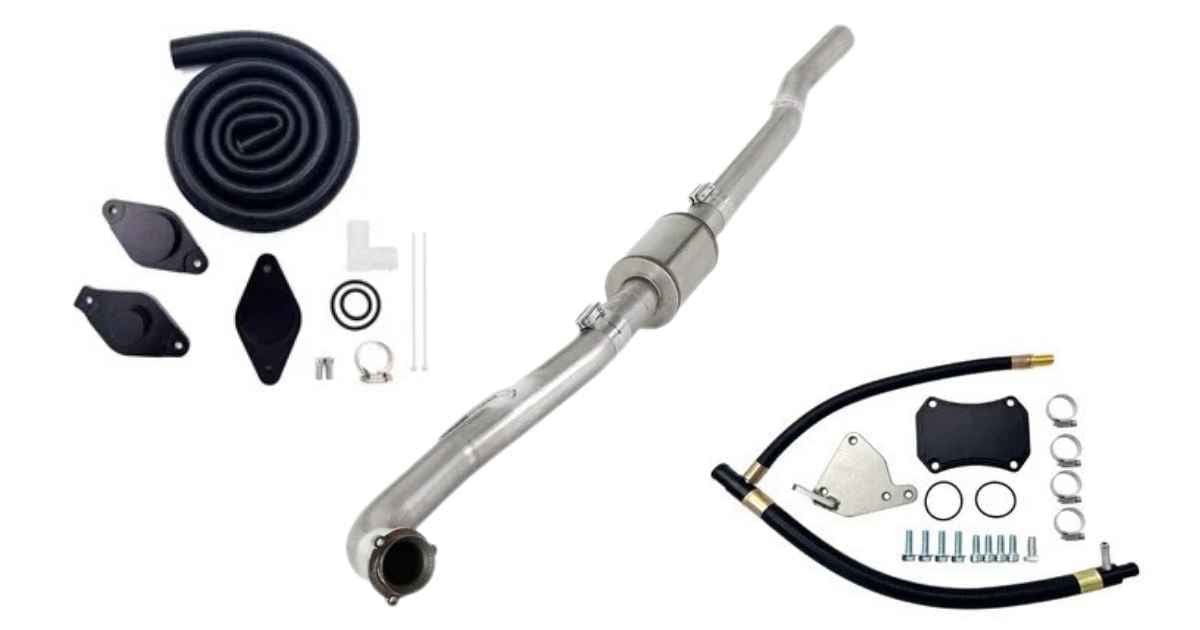
An EGR valve delete kit is an aftermarket assembly that removes or blocks off the EGR system. This allows the engine to operate without recirculated exhaust gases. The immediate visual change is a simpler engine bay with fewer hoses, fewer heat stressed components, and noticeably cleaner intake parts.
From years of working on diesel trucks used for towing, one of the first things I notice after an EGR delete kit installation is intake cleanliness. After several thousand miles, engines running without EGR typically show a fraction of the soot buildup found in stock configurations.
Also Read This: Little Minaxo: Micro SEO Tactics: How Small Optimisations Can Outperform Big Campaigns
Visible Differences in Engine Performance Behavior
Performance differences are not limited to numbers on a dyno. They are often visible and easy to feel. In a stock setup, exhaust gases dilute incoming air, slightly reducing combustion efficiency. With an EGR delete kit installed, intake air remains cleaner and denser.
This difference becomes apparent during inspections. Turbo piping on deleted engines generally stays cleaner for longer periods. Exhaust components and sensors often show more consistent heat patterns and reduced contamination. These visual signs usually align with smoother acceleration and steadier engine operation.
Throttle Response and Airflow Comparison
One of the most noticeable differences between a stock engine and one equipped with an EGR delete kit is throttle response. Stock engines frequently experience restricted airflow, especially under load, which can make the engine feel sluggish and unresponsive.
With unrestricted airflow, combustion tends to be more complete. Although this is often discussed in terms of horsepower, the clearer indicator is cleaner exhaust flow and reduced smoke during acceleration. Engines appear to breathe more freely, something experienced mechanics can confirm during live diagnostics and physical inspections.
Long Term Cleanliness and Maintenance Visibility
As stock EGR systems age, they often require increased maintenance. This typically shows up as clogged valves, contaminated intake manifolds, and sensors that need frequent cleaning. Many drivers do not realize how much performance loss occurs because these issues are not always visible during routine checks.
Engines running an EGR delete kit tend to remain cleaner internally. During long term teardowns, deleted engines consistently show less residue and buildup. This cleanliness supports consistent performance and improved reliability over time.
Fuel Efficiency and Combustion Quality
Fuel economy improvements vary by application, but the visual evidence of improved combustion is difficult to ignore. Stock setups often produce darker exhaust residue due to incomplete combustion. With an EGR valve delete kit, exhaust output typically appears cleaner, especially during steady cruising.
While not every vehicle will see significant fuel savings, improved combustion quality is often reflected in cleaner exhaust tips, turbo components, and overall engine appearance.
Reliability and Heat Management Differences
Heat management is another area where performance differences are visible. EGR systems reintroduce hot exhaust gases into the intake, raising overall intake temperatures. Stock engines may show heat staining or discoloration on nearby components.
Deleted engines typically operate with cooler intake air temperatures. This can be observed using scan tools or during physical inspections. Cooler airflow reduces stress on components and supports long term durability, particularly in engines subjected to heavy use.
Real World Driving Observations from Experience
After thousands of hours working with diesel owners, the feedback is remarkably consistent. Drivers who move from a stock setup to an EGR delete kit often report improved responsiveness and a healthier looking engine during routine inspections.
While emissions compliance must always be considered separately, the mechanical and visual performance differences remain consistent across various diesel platforms. Engines used for towing or operating under heavy loads often benefit the most from reduced heat and cleaner airflow.
Summary: Stock vs EGR Delete Kit
The visual and mechanical differences between a stock setup and an EGR delete kit are clear. Stock systems are prone to carbon buildup that restricts airflow and accelerates wear. An egr valve delete kit simplifies the engine layout, promotes cleaner airflow, and supports more predictable performance.
Every driver’s needs are different, but understanding these differences helps clarify performance expectations and long term maintenance priorities.
FAQs
Can you tell the difference after installing an EGR delete kit?
In most cases, yes. Throttle response often feels smoother, with a more controlled pull during acceleration and towing.
Can an EGR valve delete kit increase engine life?
By reducing carbon buildup and intake contamination, many engines maintain better internal condition over time, which can help extend component life.
Does visual inspection reflect changes in performance?
Yes. Clean intake components, minimal soot, and consistent heat patterns are strong indicators of improved airflow and combustion efficiency.
Does a stock EGR system work better for daily driving?
Stock systems are designed for emissions compliance and factory standards. From a mechanical simplicity and performance perspective, many drivers prefer an EGR delete kit.
Does an EGR delete kit affect the look of the exhaust?
Yes. Exhaust output often appears cleaner, which visually reflects more complete combustion and improved airflow.