Quick answer: TheLaptopAdviser can be useful when it helps readers compare laptop specs, use cases and buying trade-offs. However, any expert laptop review should be judged by its method: clear testing notes, realistic performance claims, current specifications, fair pros and cons, and no fake testimonials. For 2026 buyers, the safest approach is to match the laptop to your actual workload, then verify display quality, battery life, thermals, warranty, upgrade options and return policy before paying.
Many laptop guides promise a perfect model for students, remote workers, gamers and creators. The problem is that a laptop can look excellent on a spec sheet and still feel wrong in daily use. A noisy fan, dim screen, weak hinge or short battery life can ruin an otherwise powerful machine.
This updated TheLaptopAdviser buying guide explains how to read expert reviews without blindly trusting them. It focuses on practical laptop evaluation, honest review signals and SEO-friendly guidance that stays useful after individual model prices change.
What TheLaptopAdviser Should Help You Decide
A strong laptop review does more than repeat marketing specifications. It helps answer a simple question: is this machine right for your work, budget and comfort?
That means TheLaptopAdviser should be treated as a decision framework, not a magic ranking list. A useful guide separates student laptops from gaming laptops, business notebooks from creator workstations, and lightweight travel machines from desktop replacements.
The same standard applies to other technology decisions. For example, our article on AI adviser tools explains why readers should check what a system actually does before trusting the label attached to it.
How to Read Expert Laptop Reviews in 2026
The best expert laptop reviews show their evidence. They explain the test setup, compare similar laptops, describe real workload results and mention limitations. A weak review simply says a laptop is powerful, premium or budget-friendly without proving it.
In 2026, buyers should be extra careful with AI-generated summaries, affiliate-heavy lists and reviews that recycle manufacturer claims. A review can still be helpful, but it should make clear whether the laptop was actually tested or only researched from public specifications.
| Review signal | Good sign | Warning sign |
|---|---|---|
| Testing method | Mentions workloads, battery routine and comparison devices | Only repeats brand specifications |
| Performance claims | Explains CPU, GPU, RAM and cooling together | Calls every model fast without context |
| Battery life | Separates light use, streaming and heavy work | Uses one vague number for every user |
| Display review | Discusses brightness, resolution, color and refresh rate | Only says the screen is beautiful |
| Buyer advice | Names who should buy and who should skip | Pushes one laptop for everyone |
A Practical Laptop Buying Framework
Before comparing models, write down your main use case. The best laptop for a student taking notes is not the best laptop for 4K video editing. The best gaming laptop is not always the best business laptop because battery life, weight and noise matter differently.
1. Processor and Real Performance
The processor matters, but names alone can mislead. A newer mid-range chip with good cooling may outperform an older premium chip in a thin chassis that overheats. Expert reviews should describe sustained performance, not just peak speed.
For everyday web browsing, writing, video calls and streaming, most modern processors are enough. For coding, data work, design or editing, look for stronger multi-core performance and enough memory to avoid slowdowns.
2. Memory, Storage and Upgrade Options
RAM affects multitasking. A light user may survive with basic memory, but heavy browser tabs, creative apps, virtual machines and modern games need more headroom. Storage also matters because a fast SSD makes the whole laptop feel more responsive.
TheLaptopAdviser-style reviews should tell readers whether memory or storage can be upgraded. Some thin laptops solder parts to the board. That can be fine for portability, but it reduces long-term flexibility and repair options.
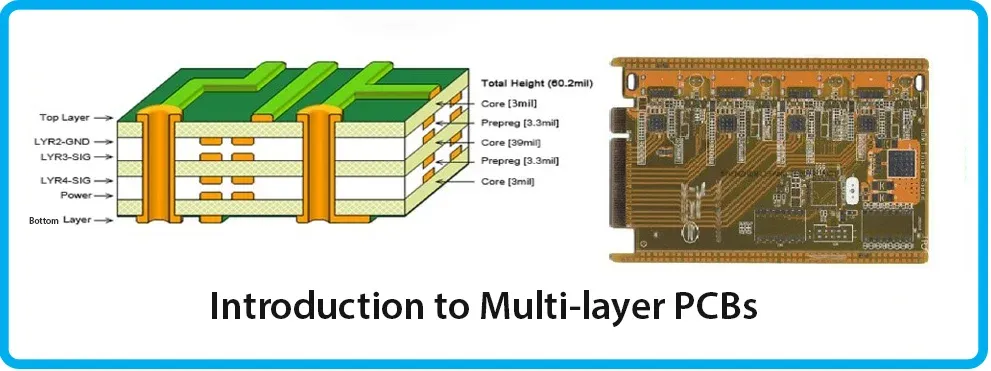
Hardware quality is not only about the processor. The same logic appears in our guide to hardware reliability and multilayer PCB manufacturing, where build quality and internal design affect long-term performance.
3. Display, Keyboard, Ports and Webcam
A laptop screen should match the work. Office users need comfortable brightness and readable text. Creators need better color coverage and resolution. Gamers often care about refresh rate and response time. None of these details should be hidden behind generic phrases.
Keyboard comfort is just as important. If you write, code or study for long hours, key travel, layout and touchpad accuracy affect daily productivity. Ports also matter because dongles add cost and clutter.
4. Battery Life and Heat Control
Battery life should be tested in realistic conditions. Light browsing, video playback, meetings and heavy creative work all drain power differently. A review that gives one battery number without context is incomplete.
Thermals are equally important. A laptop that becomes loud or hot under normal use may not be comfortable, even if it scores well in a short benchmark. Readers should look for fan noise notes, surface temperature comments and sustained workload results.
TheLaptopAdviser Guide for Different Buyers
| Buyer type | Prioritize | Avoid |
|---|---|---|
| Student | Battery life, keyboard, webcam, weight and value | Heavy gaming hardware if portability matters |
| Remote worker | Reliable webcam, microphone, keyboard, ports and security | Dim screens and weak battery claims |
| Creator | Display quality, memory, storage speed and sustained performance | Underpowered graphics for video or 3D work |
| Gamer | GPU performance, refresh rate, cooling and service support | Thin designs that throttle under load |
| Traveler | Weight, battery, charger size and durable build | Large desktop replacements with poor endurance |
This table is a starting point, not a final verdict. A buyer who edits videos while traveling may need a creator laptop with travel-friendly battery life. A student who plays demanding games may need a balanced gaming notebook instead of a basic budget laptop.
Gaming Laptop Advice Without Hype
Gaming laptops are easy to oversell because GPU names sound exciting. A good TheLaptopAdviser review should explain the actual graphics power, cooling design, screen refresh rate and whether performance remains stable after long sessions.
GPU and Cooling Matter Together
The graphics chip is important, but cooling decides how much of that power the laptop can use. Two laptops with similar GPU names can perform differently if one has better power limits and airflow.
When Gaming Numbers Matter
Frame-rate tests, fan noise, surface temperature and screen refresh rate matter for competitive games. If a review includes these details, it gives readers a clearer picture of the real gaming experience.
When They Do Not Matter as Much
If you mostly play lighter games, stream media or use cloud gaming, the heaviest GPU may not be worth the price, battery drain or extra weight. A balanced laptop can be the smarter purchase.
Budget Guidance: Value Beats Flashy Claims
Budget advice should be flexible because laptop prices change quickly. Instead of chasing a single model, compare the value of the whole package: performance, screen, battery, build, warranty and upgrade path.
- Entry-level buyers: focus on a comfortable keyboard, acceptable screen, SSD storage and enough memory for everyday use.
- Mid-range buyers: look for better build quality, stronger battery life, more memory and a sharper display.
- Premium buyers: pay for display accuracy, lower weight, quiet operation, better speakers, stronger warranty and long-term support.
- Gaming and creator buyers: check cooling, GPU power, storage expansion and display quality before paying for top-tier branding.
Energy efficiency can also matter for schools, offices and long working days. Official ENERGY STAR computer guidance is useful when buyers care about certified efficient computers and lower idle power use.
Operating System and Compatibility Checks
Windows, macOS and ChromeOS each make sense for different users. Windows offers broad software and gaming compatibility. macOS works well for people already invested in Apple devices and creative workflows. ChromeOS can be simple and affordable for browser-based work.
If buying a Windows machine, readers should check official requirements instead of trusting vague upgrade promises. Microsoft lists current Windows 11 hardware requirements, including processor, memory, storage, TPM and display basics.
Compatibility also includes software licenses, docking stations, monitors, printers and security tools. A laptop that looks affordable can become expensive if it needs extra adapters, subscriptions or accessories.
How to Verify TheLaptopAdviser Recommendations
Before trusting any laptop recommendation, compare it against at least two other sources. Look for agreement on strengths and weaknesses, not just repeated praise. If every paragraph sounds like a sales pitch, slow down.
Reader testimonials should also be handled carefully. The FTC guidance on consumer reviews and testimonials explains why fake, false or undisclosed reviews can mislead buyers. A laptop article should not invent customer feedback or present unverified comments as proof.
- Check whether the review explains its testing method.
- Compare the same laptop across several reputable sources.
- Read recent owner feedback for hinge, battery and service issues.
- Confirm warranty length, return window and local repair support.
- Avoid buying only because a laptop appears first in a ranking.
Smart Features, AI Laptops and Real Use
AI features are now common in laptop marketing. Some are genuinely useful for video calls, local productivity tools and creative workflows. Others are minor software additions that should not drive the whole purchase decision.
The right question is not whether a laptop has an AI label. The right question is whether the feature improves your actual work. That is similar to smart-home products: our guide to smart bed options and iron beds separates real product features from inflated technology claims.
Connected devices are spreading into many public and private spaces. The same careful thinking applies to smart airport technology, where convenience, data use and reliability all matter.
Common Laptop Review Red Flags
A laptop review becomes less trustworthy when it uses big claims without details. Buyers should be cautious when an article says a device is the best for everyone, ignores weaknesses or recommends outdated models without explaining why they are still worth buying.
| Red flag | Why it matters | Better approach |
|---|---|---|
| Fake expert bios | Readers cannot judge credibility | Disclose author experience and review method |
| Old prices | Laptop value changes quickly | Check current retailer and manufacturer pricing |
| No drawbacks | Every laptop has trade-offs | List who should avoid the model |
| Copied specs only | Specs do not show daily comfort | Add testing notes and practical usage context |
| Generic link anchors | They are weak for readers and SEO | Use descriptive internal-link anchors |
Final Verdict on Expert Laptop Reviews TheLaptopAdviser
Expert laptop reviews from TheLaptopAdviser can help if readers use them as a structured starting point. The best result comes from combining review guidance with your own workload, comfort needs and budget limits.
For 2026, buyers should focus on real-world performance, enough memory, fast storage, strong display quality, practical battery life, good thermals and dependable support. Avoid vague claims, invented testimonials and rankings that do not explain their method.
For more practical technology and lifestyle explainers, explore the LittleMinaxo homepage.
FAQs About TheLaptopAdviser Laptop Reviews
Is TheLaptopAdviser enough to choose a laptop?
No single guide should be the only source for a laptop purchase. Use TheLaptopAdviser as a starting point, then compare reviews, current prices, warranty terms and real owner feedback.
What specs matter most for most buyers?
Most buyers should prioritize a modern processor, enough memory, SSD storage, a comfortable display, reliable keyboard, good battery life and local support. Gamers and creators should also check GPU performance and cooling.
Are gaming laptops good for work?
They can be, especially for heavy creative work, but they are often heavier, louder and less efficient than business laptops. Check battery life and fan noise before choosing one for office or travel use.
How often should laptop recommendations be updated?
Laptop recommendations should be reviewed regularly because prices, availability and hardware generations change quickly. Evergreen buying criteria can remain useful, but model-specific picks need frequent checks.