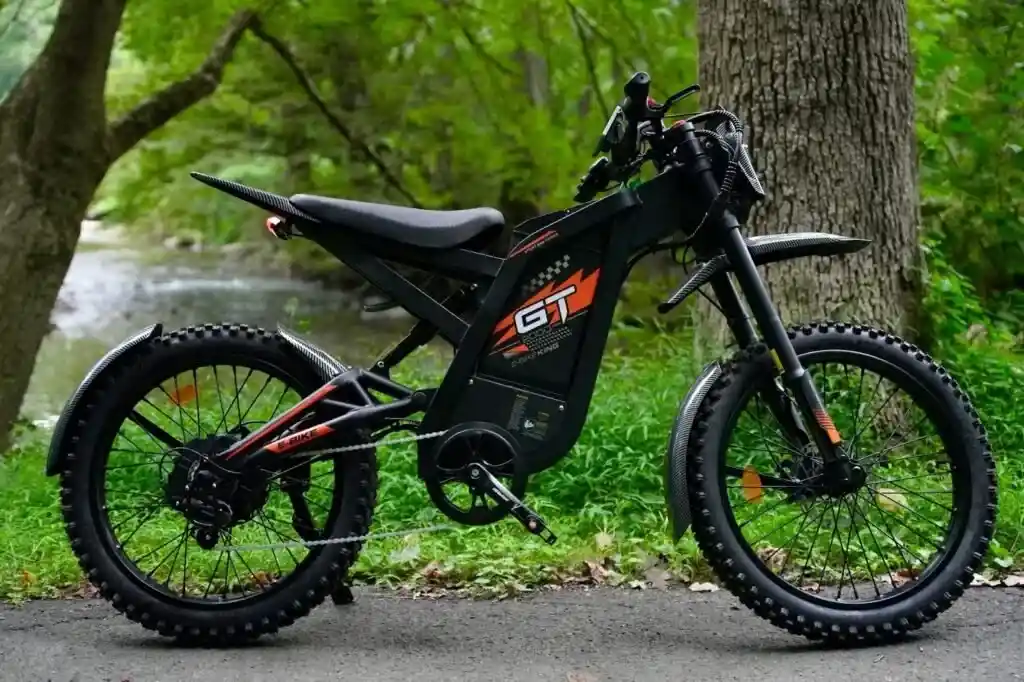
Class 3 e-bikes and electric mini bikes can both make short urban journeys easier, but they are not the same type of vehicle. A Class 3 e-bike is defined mainly by its pedal-assist system and assisted speed, while “electric mini bike” is a broad marketing term that may describe several different designs.
This difference matters because a compact electric bike may be treated as an e-bike, moped, off-road vehicle, or motor-driven cycle depending on its pedals, motor, speed, throttle, and local law.
Before buying either one, compare more than appearance and advertised top speed. You should check its legal classification, battery certification, braking system, fit, realistic range, warranty, replacement parts, and the places where you plan to ride.
What Is a Class 3 E-Bike?
Under the three-class system described in the U.S. Department of Transportation’s electric mobility guidance, a Class 3 e-bike provides pedal assistance up to 28 mph. The motor supports the rider while pedaling and stops assisting at the class limit.
A Class 3 e-bike can travel more quickly than Class 1 and Class 2 models, which generally stop providing motor assistance at 20 mph. This additional speed can be useful on longer commutes and road-based routes.
However, a 28 mph assistance limit does not mean riders will maintain that speed everywhere. Hills, wind, battery charge, surface conditions, rider weight, tire pressure, traffic, and motor settings can all affect performance.
State and local rules may also limit Class 3 e-bikes on sidewalks, shared trails, parks, and certain bicycle paths. Helmet and minimum-age requirements differ, so buyers must check the rules applying to their actual riding location.
Understanding the Three E-Bike Classes
The common three-class system helps consumers understand how an electric bicycle supplies power. It is widely used, but individual state definitions and riding rules can contain important differences.
| E-bike class | Motor operation | Assisted speed | Common use |
|---|---|---|---|
| Class 1 | Pedal assist | Up to 20 mph | Recreation, paths, and everyday riding |
| Class 2 | Throttle assistance | Up to 20 mph | Short trips and riders wanting throttle support |
| Class 3 | Pedal assist | Up to 28 mph | Faster commuting and longer road journeys |
Do not depend only on a retailer’s class label. Confirm the presence of operable pedals, motor rating, throttle behavior, and the speed at which assistance stops.
Some products allow settings or modifications that change their performance. Unlocking a higher speed may change where the vehicle can legally operate and could affect its warranty, insurance treatment, or e-bike classification.
What Is an Electric Mini Bike?
“Electric mini bike” does not have one universal legal meaning. It may describe a small folding e-bike, a compact bicycle with short wheels, a moped-style e-bike, or a small electric vehicle without usable pedals.
A compact e-bike that meets the relevant class requirements may be treated like an electric bicycle. A powerful throttle-operated mini bike without functional pedals may fall into another vehicle category.
This is why buyers should not assume that every product marketed as an electric bike can legally use public bicycle lanes. The product name chosen by a seller does not replace federal, state, or local definitions.
The compact design can still be useful. Mini bikes are often easier to store in an apartment, place inside a larger vehicle, or manage in a crowded storage area.
Class 3 E-Bike vs Electric Mini Bike
A Class 3 e-bike is usually the stronger option for riders who want efficient pedal-assisted commuting. Its larger frame and wheels can provide a more familiar cycling position and greater stability on rougher streets.
An electric mini bike may be better for short trips, limited storage, or riders who value a low step-over height. However, a very short wheelbase or small wheels can feel less stable on potholes and uneven surfaces.
Range should be compared carefully. A seller’s maximum range may be based on light assistance, a lightweight rider, smooth ground, suitable weather, and a new fully charged battery.
Real-world riding can produce a lower result. Frequent stops, high assistance, cold weather, steep hills, soft tires, and heavy cargo require more energy.
Check the Law Before Buying
The United States has both federal product definitions and state or local operating laws. These rules answer different questions, so a product that can legally be sold is not automatically permitted on every public route.
A NHTSA interpretation describes a federal low-speed electric bicycle as a two- or three-wheeled vehicle with operable pedals, a motor under 750 watts, and a motor-only speed below 20 mph under specified test conditions. The three-class framework separately addresses how e-bikes operate in public spaces.
Class 3 access, helmet rules, minimum rider age, equipment requirements, and throttle treatment can vary by jurisdiction. Cities, parks, universities, and trail operators may also establish location-specific rules.
Before paying, check your state transportation or motor vehicle agency, local government, and the authority managing your regular trail. If the product resembles a motorcycle or lacks workable pedals, ask the relevant agency how it is classified.
Battery Certification Is a Major Buying Factor
Lithium-ion battery safety should be treated as seriously as speed, range, and design. Poorly made batteries, damaged cells, incorrect chargers, and unauthorized modifications can increase the risk of fire.
The U.S. Consumer Product Safety Commission has urged manufacturers to follow applicable safety standards. Its guidance identifies ANSI/CAN/UL 2849 for e-bike electrical systems and UL 2272 for personal e-mobility electrical systems.
A certification claim should apply to the relevant complete electrical system, not simply one small component. Ask the manufacturer which system was tested, which laboratory completed the certification, and whether the exact model is covered.
Avoid listings that use unclear phrases such as “made with UL components” without explaining the certification. A few certified parts do not necessarily mean the complete battery, charger, motor controller, and electrical system were evaluated together.
Follow Safe Charging Practices
Use only the charger supplied or specifically approved by the manufacturer. A connector that physically fits does not prove that its voltage, current, communication system, and safety controls are compatible.
Inspect the battery and charger for cracks, swelling, unusual heat, damaged wires, strange smells, or signs of water entry. Stop using the system if you notice a serious problem and contact the manufacturer or a qualified technician.
Do not modify the battery pack or ask an unqualified person to rebuild it. Keep the charging area clear of combustible material and follow the manufacturer’s instructions about temperature and ventilation.
Battery disposal rules vary by location. Lithium-ion batteries generally should not be placed in normal household trash or recycling bins; use an approved battery collection or hazardous-waste service.
Compare Motor Power and Hill Performance
Motor wattage can help with comparison, but it does not tell the complete performance story. Controller programming, motor type, torque, gearing, wheel size, and total weight also affect how a bike handles hills.
A hub motor sends power through one wheel and is common on many affordable e-bikes. A mid-drive motor works through the bicycle’s drivetrain and may feel more natural on steep routes, although it can cost more and place additional wear on chains and gears.
Do not buy the largest advertised motor simply because it appears more powerful. A high-powered vehicle may exceed the e-bike rules in your area and could require registration, licensing, or different safety equipment.
Test the bike on a route similar to your normal journey when possible. A short ride on a flat shop floor cannot show how it will perform on hills, broken pavement, or repeated stops.
Evaluate Brakes, Tires, and Visibility
A faster e-bike needs predictable brakes and suitable tires. Ask whether the brake system is designed for the bike’s weight and speed, and check how replacement pads or other parts can be obtained.
The tires should match your usual surface. Wide tires can add comfort and grip but may increase weight and rolling resistance, while narrow tires may feel less forgiving on rough roads.
Front and rear lights improve visibility, but riders should not assume that lights make them immediately noticeable to every driver. Reflective material and bright clothing can help in poor light.
The NHTSA bicycle safety guide recommends a properly fitted helmet, predictable riding, and following road rules. At Class 3 speeds, extra stopping distance and defensive riding become particularly important.
Check Fit and Riding Comfort
A compact frame is not automatically comfortable for every rider. Review the recommended rider-height range, seat adjustment, handlebar position, maximum load, and distance between the seat and pedals.
Mini bikes can feel cramped for taller riders. Their smaller wheels may also react more quickly to surface changes, so a test ride is especially valuable.
A Class 3 commuter bike may provide a better riding position for longer distances, but only when the frame size is correct. Wrist, knee, neck, or lower-back discomfort can become more noticeable during repeated commuting.
When testing, start and stop several times, turn at low speed, look over your shoulder, and simulate carrying normal cargo. These actions reveal more than riding in a straight line for one minute.
Look Beyond the Advertised Range
Manufacturers usually publish an estimated range rather than a guaranteed distance. Ask what rider weight, assistance level, speed, terrain, and weather conditions were used to produce the estimate.
Plan around your longest normal round trip, not your shortest journey. A practical buffer can help account for battery aging, cold temperatures, route changes, and unexpected detours.
A removable battery may be useful if you cannot bring the complete bike near an electrical outlet. Before choosing one, check the battery weight, locking system, replacement price, and whether replacements are realistically available.
The battery will lose capacity over time. A clear replacement path from an established supplier can be more valuable than an impressive maximum-range claim from an unknown seller.
Research the Seller and Warranty
Compare written warranty coverage for the frame, motor, battery, charger, controller, display, and other electrical parts. These components may have different coverage periods.
Check who pays shipping for a heavy bike or battery, where repairs are completed, and whether the seller supplies replacement parts. A long warranty has limited value when support cannot be reached.
The existing OUXI Electric Bike website can be used to review available models and specifications. As with any manufacturer, independently verify classification, certification, warranty, local service, and legal road use before ordering.
Do not rely only on marketplace reviews or influencer demonstrations. Look for a clear business address, accessible support details, complete technical specifications, and policies written before purchase.
Practical Buying Checklist
Before choosing a Class 3 e-bike or electric mini bike, confirm:
- Legal classification and permitted riding locations
- Battery and electrical-system certification
- Realistic range for your route
- Frame fit, braking performance, and rider weight limit
- Battery replacement cost and availability
- Written warranty and local repair options
- Total price, including delivery and necessary accessories
A test ride remains one of the best ways to compare comfort, balance, acceleration, and braking. If a seller does not allow one, study its return terms carefully before purchasing.
Final Decision
Choose a Class 3 e-bike when you need faster pedal-assisted travel, have a longer road commute, and can legally use it on your planned route. Its larger frame may also provide better comfort and stability over distance.
Choose an electric mini bike when storage space and short-trip convenience matter most. First confirm that its pedals, motor, throttle, and maximum speed place it in a vehicle category you can legally operate.
Neither option is automatically safer, cheaper, or better for every rider. The right choice is the model that matches your route, local law, body size, storage needs, service access, and realistic budget.
Most importantly, treat battery certification, braking, protective equipment, and legal classification as essential requirements. A stylish or powerful bike is not a good purchase if it cannot be safely supported or legally used where you live.
5.6 TerraExtra High