Why Wheel Chocks Are Essential for Vehicle Safety
Wheel chocks are simple but critical safety tools designed to prevent vehicles from unintentionally moving during loading, unloading, or maintenance. They are placed against the wheels to physically block motion, ensuring that trailers and trucks remain securely in place. Whether you’re operating in a warehouse, construction site, or logistics hub, using wheel chocks should be standard practice to enhance safety.
Risks of Not Using Wheel Chocks on Level Surfaces
Even when the ground appears flat, subtle inclines, surface irregularities, or vibrations can cause a heavy vehicle or trailer to shift. This unintentional movement could result in injuries, damage to property, or unsafe working conditions. Factors like uneven tyre pressure or external forces such as wind can also contribute to vehicle movement. In busy industrial settings, these seemingly minor oversights can lead to major safety hazards.
Best Practices for Using Wheel Chocks
To maximise safety, always place wheel chocks both in front and behind the wheels if there’s any risk of movement. For added security, apply the handbrake before positioning the chocks. Use wheel chocks on both sides of the vehicle when parked on a slight incline or during extended stops. Always ensure the chocks are in good condition and made from materials appropriate for the weight and type of vehicle you’re securing.
Choosing the Right Wheel Chocks
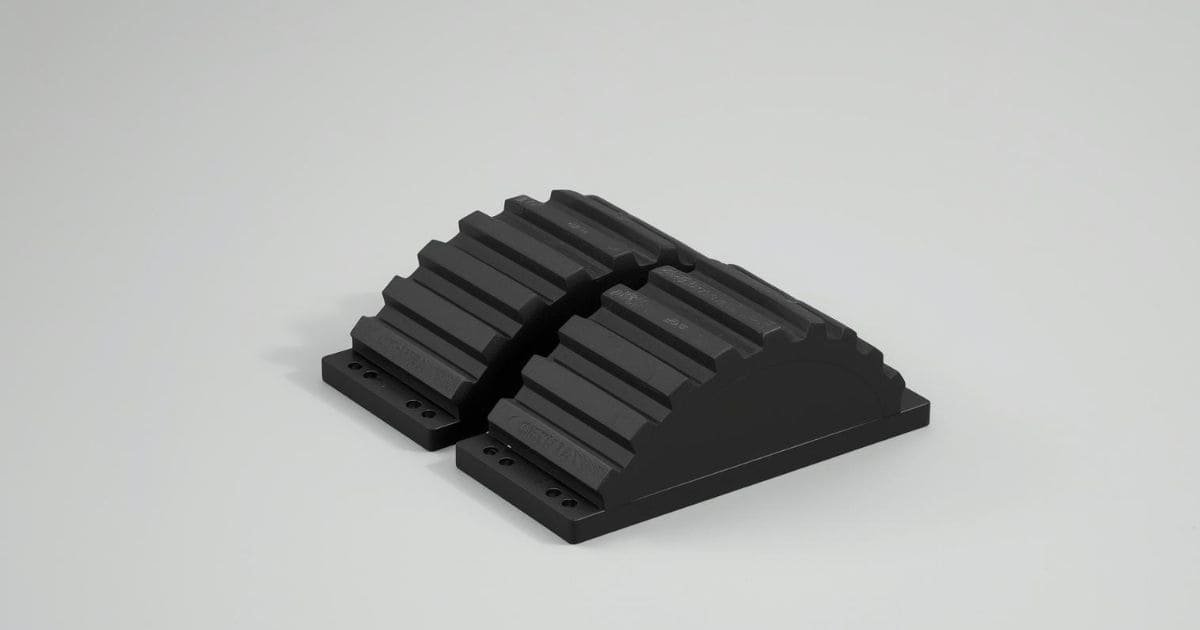
Selecting the correct wheel chocks depends on your vehicle’s weight, the tyre size, and the surface where the vehicle is parked. Materials like rubber are ideal for everyday use and provide excellent grip, while polyurethane is often preferred for industrial settings. For commercial vehicles and trailers, choose heavy-duty options that can withstand pressure and resist environmental wear. For a wide selection of wheel chocks suited to different applications, consider options that meet both durability and safety standards.
When Are Wheel Chocks Legally Required?
In Australia, workplace health and safety regulations often require the use of wheel chocks in high-risk environments, especially where vehicles are parked on slopes or being serviced. Industries such as mining, logistics, and construction frequently include chocking as part of their standard operating procedures. Not using wheel chocks when required could lead to non-compliance penalties or put workers at risk.
Closing Thoughts
Even when parked on level ground, vehicles can shift unexpectedly due to a range of external factors. Using wheel chocks is a low-cost, high-impact way to protect people, vehicles, and cargo. It’s a small step that can prevent large problems. For safety, reliability, and peace of mind, make wheel chocking a non-negotiable part of your daily operations.
Why Wheel Chocks Are Essential for Vehicle Safety
Wheel chocks are simple but critical safety tools designed to prevent vehicles from unintentionally moving during loading, unloading, or maintenance. They are placed against the wheels to physically block motion, ensuring that trailers and trucks remain securely in place. Whether you’re operating in a warehouse, construction site, or logistics hub, using wheel chocks should be standard practice to enhance safety.
Risks of Not Using Wheel Chocks on Level Surfaces
Even when the ground appears flat, subtle inclines, surface irregularities, or vibrations can cause a heavy vehicle or trailer to shift. This unintentional movement could result in injuries, damage to property, or unsafe working conditions. Factors like uneven tyre pressure or external forces such as wind can also contribute to vehicle movement. In busy industrial settings, these seemingly minor oversights can lead to major safety hazards.
Best Practices for Using Wheel Chocks
To maximise safety, always place wheel chocks both in front and behind the wheels if there’s any risk of movement. For added security, apply the handbrake before positioning the chocks. Use wheel chocks on both sides of the vehicle when parked on a slight incline or during extended stops. Always ensure the chocks are in good condition and made from materials appropriate for the weight and type of vehicle you’re securing.
Choosing the Right Wheel Chocks
Selecting the correct wheel chocks depends on your vehicle’s weight, the tyre size, and the surface where the vehicle is parked. Materials like rubber are ideal for everyday use and provide excellent grip, while polyurethane is often preferred for industrial settings. For commercial vehicles and trailers, choose heavy-duty options that can withstand pressure and resist environmental wear. For a wide selection of wheel chocks suited to different applications, consider options that meet both durability and safety standards.
Also Read This: Little Minaxo: What Is the Difference Between a Minor and Major BMW Service?
When Are Wheel Chocks Legally Required?
In Australia, workplace health and safety regulations often require the use of wheel chocks in high-risk environments, especially where vehicles are parked on slopes or being serviced. Industries such as mining, logistics, and construction frequently include chocking as part of their standard operating procedures. Not using wheel chocks when required could lead to non-compliance penalties or put workers at risk.
Closing Thoughts
Even when parked on level ground, vehicles can shift unexpectedly due to a range of external factors. Using wheel chocks is a low-cost, high-impact way to protect people, vehicles, and cargo. It’s a small step that can prevent large problems. For safety, reliability, and peace of mind, make wheel chocking a non-negotiable part of your daily operations.