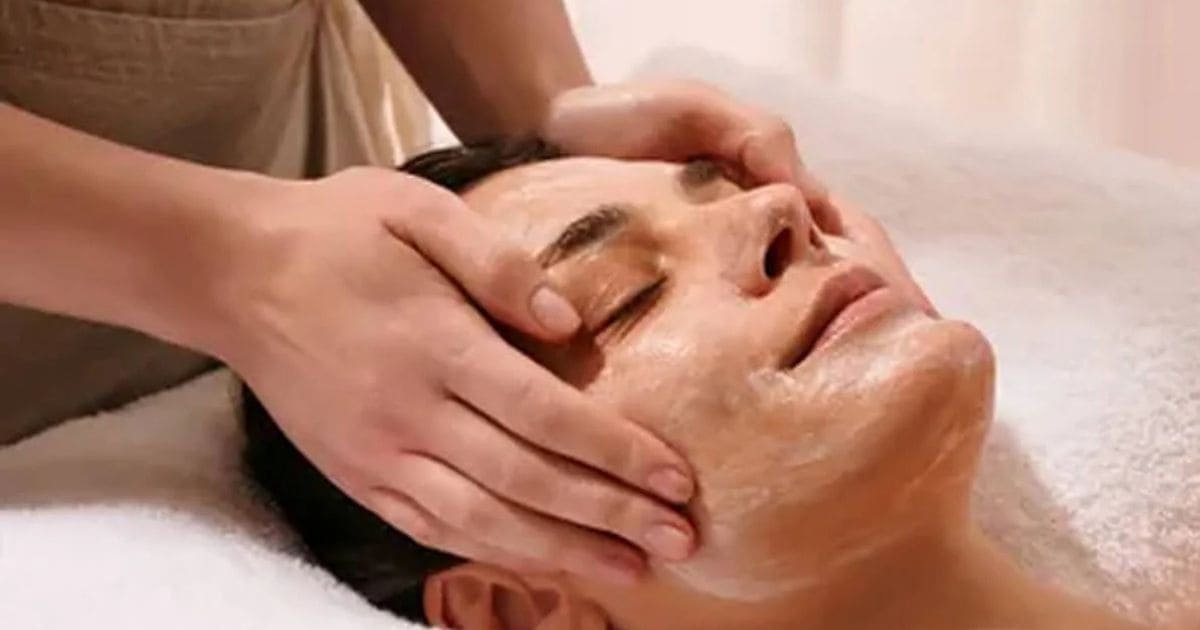
Red-light panels, whole-body light booths and infrared wrap pods have become familiar sights in spa menus. They may sound similar, but they use different combinations of light, heat and sometimes vibration. That matters because the evidence for each treatment is different.
Before booking a package, separate what a device is designed to do from what a brochure claims it can do. A comfortable session is a valid reason to enjoy a spa, but comfort should not be sold as a cure.
Quick answer
Three spa technologies often discussed together are red-light skin treatments, light booths with vibration platforms (sometimes sold under names such as Beauty Angel), and infrared body wraps. Some light-based devices have evidence for narrow cosmetic uses, but results vary by device, treatment area and person. The FDA warns that non-invasive contouring is not a weight-loss treatment and effects can be temporary. Ask the provider what the equipment is authorized to do, what risks apply to you, and whether an advertised outcome has been studied for that exact device.
1. Red-light skin therapy
Red-light therapy typically uses visible red or near-infrared light from an LED panel, mask or similar device. It is different from ultraviolet tanning. The American Academy of Dermatology explains that some studies show benefits for certain skin concerns, but device quality, treatment plans and results vary.
Do not expect one session to erase wrinkles, heal a skin condition or replace prescribed acne treatment. If you have a medical skin problem, ask a dermatologist whether light therapy has a reasonable role in your care. Some users also experience irritation, so follow instructions and use appropriate eye protection.
2. Light booths with vibration platforms
Some spa booths combine colored light with a vibrating standing platform. The light and the mechanical vibration are separate features, even when a spa sells them as one “toning” treatment. Brand names and bundled claims do not establish that a specific booth can tighten skin or reduce cellulite.
Ask the operator to identify the model, explain the intended use of each component and show which claims are supported by evidence for that model. A sensation of muscle activation is not the same as measured long-term changes in fitness or body composition.
3. Infrared body wraps and heated pods
An infrared wrap uses heat rather than the same low-energy light as an LED skin device. Heat can feel relaxing, but sweating mostly reflects fluid loss. It should not be presented as proof that body fat has disappeared or that toxins are being removed.
The FDA’s body-contouring guidance explains that some infrared energy devices produce temporary changes in the treated area’s appearance, while results and potential complications vary. Heated wraps sold for relaxation are not necessarily medical contouring devices, and marketing claims should be evaluated separately.
What the evidence does not prove
The strongest sales claims tend to combine unrelated outcomes: “detox,” permanent inch loss, collagen rebuilding, fat burning and relief from chronic illness. A spa should be able to say exactly which result it is claiming, how it measures that result and what independent evidence supports it.
Be skeptical of an expensive sequence that promises each device will “activate” the next. Combining three procedures does not automatically multiply their benefits. A published review of infrared sauna studies, available through PubMed, identified important limitations in the research for several health claims.
Safety questions to ask before a session
Tell the provider if you are pregnant, have an implanted medical device, photosensitivity, an active skin problem or take medicines that make your skin light-sensitive. The appropriate precautions depend on the type of equipment, treatment area and any medical conditions.
Ask about eye protection, staff training, hygiene, session duration and how adverse reactions are handled. Stop if you feel faint, overheated or uncomfortable. For a device being marketed as medical treatment, confirm its intended use and regulatory status rather than relying on vague phrases such as “FDA-approved technology.”
How to decide whether it is worth the price
Choose a specific goal. If you simply want a quiet, relaxing experience, price and comfort may be your main concerns. If you want to treat acne, hair loss or another medical problem, start with a clinician who can explain appropriate options and realistic outcomes.
Compare the package cost with the likely benefit and ask about refunds before committing to a long course. If you are also exploring hair-growth treatment options, remember that an LED spa session should not be assumed equivalent to an established medicine.
Frequently asked questions
Is red light the same as UV tanning? No. Red-light therapy and ultraviolet tanning use different parts of the light spectrum and have different risks.
Do infrared wraps cause lasting weight loss? Sweating may change scale weight temporarily through fluid loss; it is not proof of fat loss.
Should I buy a three-treatment package immediately? Ask for device details and evidence, consider your medical history and try to understand the costs before purchasing.