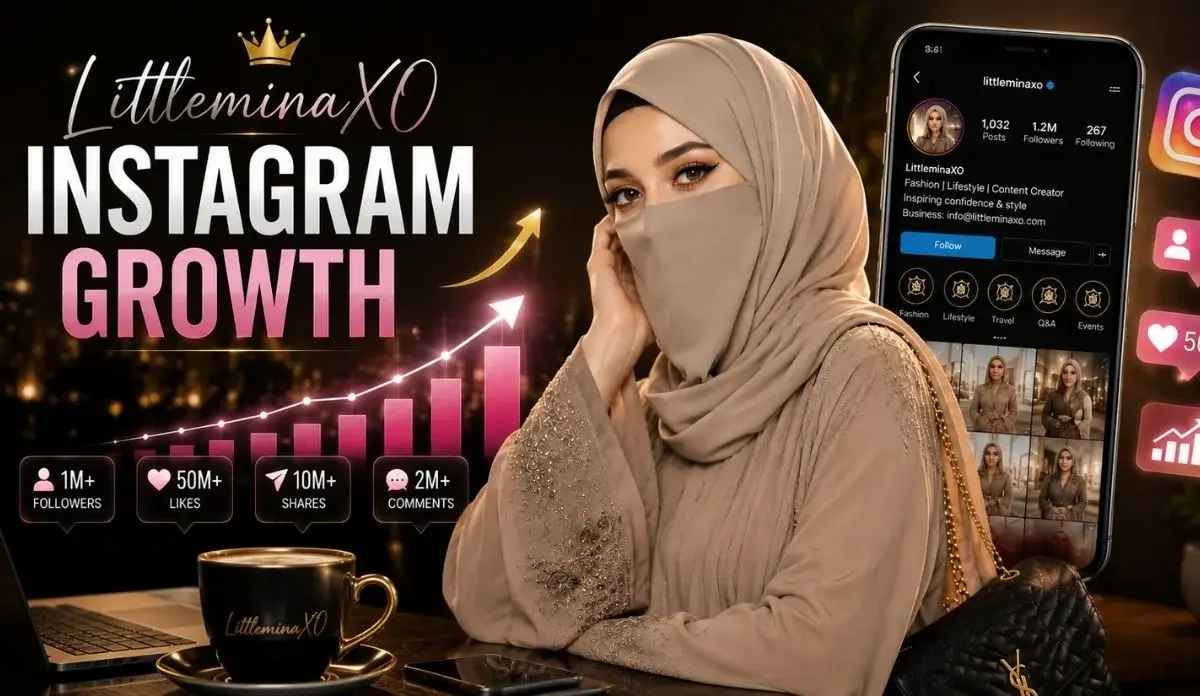
LittleminaXO vs other digital creators is not simply a comparison of followers, likes, or viral videos. A useful comparison examines content identity, audience relationships, platform strategy, originality, and the way a creator develops a recognizable online presence.
LittleminaXO belongs to a growing group of internet personalities who build visibility around a personal name or digital identity. However, reliable public information about her audience size, income, partnerships, and private content strategy is limited.
For that reason, this article does not present unverified numbers or claim to know what happens behind the scenes. It compares her public-facing creator identity with common approaches used across the digital creator industry.
Quick Comparison
LittleminaXO appears to follow a personality-led creator model. In this model, the individual’s name, appearance, communication style, and online character become central parts of the content.
Other digital creators may build their brands around education, gaming, comedy, product reviews, travel, beauty, or a specific professional skill. Their topic can sometimes remain more important than the person presenting it.
| Comparison area | LittleminaXO’s public-facing model | Other creator models |
|---|---|---|
| Main focus | Personal digital identity | A topic, skill, product, or personality |
| Brand recognition | Creator name and image | Niche, format, expertise, or creator name |
| Audience connection | Personality-driven interest | Entertainment, education, or practical value |
| Content direction | Lifestyle and creator-focused themes | Varies by niche and platform |
| Main challenge | Keeping the identity consistent | Remaining useful and different within a niche |
This table describes broad content models rather than confirmed private business decisions. Creators can also combine several approaches as their brands develop.
A Personality-Led Digital Identity
One clear difference between LittleminaXO and many topic-based creators is the importance of the creator identity itself. People searching for her name are usually interested in the person, her public image, and the content connected with that identity.
A technology reviewer, for example, may attract viewers who mainly want information about a phone or laptop. A cooking creator can gain traffic because someone needs a recipe, even when the viewer does not already know the creator’s name.
Personality-led creators face a different task. They must give people a reason to remember the individual after a post ends. Their tone, visual presentation, storytelling, and repeated themes can all support that recognition.
This does not mean that one model is better than another. It means LittleminaXO should be assessed as a digital personality rather than compared only with creators who answer informational search queries.
Recognition Matters More Than Random Virality
A viral post can introduce a creator to thousands of new viewers, but it does not automatically build a lasting personal brand. People may remember the trend, joke, or sound without remembering who created the post.
A recognizable creator identity helps connect separate pieces of content. Similar visual choices, a familiar tone, and repeated subject areas can make a profile feel like one complete brand instead of unrelated uploads.
The goal should not be to make every post identical. Too much repetition can make content predictable, while constant changes can make the creator difficult to recognize.
LittleminaXO’s strongest long-term opportunity is therefore not copying every popular creator. It is developing a clear identity that viewers can recognize while leaving enough room for new formats and ideas.
Community Is Different From a Follower Count
A creator can have a large following but receive little meaningful interaction. Another can have a smaller audience that regularly watches, comments, shares, and returns for new content.
YouTube’s official creator guidance describes engagement as a two-way relationship, particularly for younger audiences. Its creator resources recommend using comments, posts, live content, and other interactive features to build stronger viewer relationships.
TikTok offers similar advice in its official audience-growth guidance. It encourages creators to communicate through comments and LIVE features while using creator analytics to understand which posts connect with viewers.
There is not enough verified public data to claim that LittleminaXO has stronger engagement than every comparable creator. A responsible comparison would examine comment quality, returning viewers, response patterns, and community participation—not just visible follower totals.
Originality Does Not Mean Ignoring Trends
Social platforms frequently reward content connected with current conversations, popular sounds, seasonal interests, and new formats. Trends can help a smaller creator reach people who have never seen their work.
The problem begins when a creator copies a format without adding a meaningful perspective. If dozens of accounts produce almost identical posts, viewers have little reason to remember a particular profile.
LittleminaXO can use trends while keeping her personal identity visible. A trend might provide the basic structure, but the caption, styling, reaction, story, or point of view should give it a distinct purpose.
This approach is different from refusing all popular formats. Strong creators often understand the conversation happening around them, then decide whether it fits their audience and public identity.
Platform Strategy Should Match the Content
Digital creators do not need to publish the same material everywhere. A short vertical video, an Instagram image, a YouTube discussion, and a search-focused article serve different viewing habits.
TikTok users may expect an immediate opening and a fast visual idea. Instagram can support images, Reels, Stories, and direct community interaction, while YouTube can provide more room for explanation and longer storytelling.
A creator website can add another layer by publishing accurate background information and evergreen content. It can also provide a stable home for information that might otherwise become buried inside a social feed.
For LittleminaXO, cross-platform growth should not mean automatically copying one post to every channel. Each version should preserve the central idea while fitting the platform’s format and audience expectations.
Analytics Can Improve Creative Decisions
Creator analytics should support creativity rather than replace it. Views reveal reach, but other measurements can explain whether viewers actually found the content useful or entertaining.
YouTube Analytics includes watch time, average view duration, audience retention, and information about new, casual, and regular viewers. Its audience-retention report can show where people continue watching, rewatch a section, skip forward, or leave.
TikTok Studio also provides tools for managing content and reviewing performance. Its Creator Search Insights feature can help eligible users discover subjects people are searching for and identify possible content gaps.
LittleminaXO’s private analytics are not publicly available, so it would be wrong to describe her as “data-driven” without direct evidence. Still, these are the measurements she and other creators can use to make informed content decisions:
- Watch time and audience retention
- Returning viewers
- Shares and saves
- Meaningful comments
- Profile visits and relevant link clicks
Follower growth remains useful, but it should be reviewed alongside these signals. One large number cannot explain whether an audience trusts, remembers, or regularly follows a creator.
Trust Requires Accurate Content
Digital creators can lose trust when they make exaggerated claims, repeat rumors, or present assumptions as confirmed facts. This risk becomes greater when content discusses health, finance, relationships, or another person’s private life.
A trustworthy creator makes the difference between opinion and fact easy to understand. Sources should be provided when a statement depends on research, and mistakes should be corrected openly.
Creators using altered or AI-generated media should also consider how realistic content could affect viewers. YouTube and TikTok have introduced disclosure or labeling systems for certain realistic synthetic media.
Responsible use of AI can assist with planning, captions, editing, or idea development. It should not be used to invent events, fake endorsements, or create misleading versions of real people.
Brand Partnerships Need Clear Disclosure
Sponsored content can help creators earn income, but an unclear promotion can damage audience trust. Viewers should be able to understand when money, free products, employment, or another business relationship may influence a recommendation.
The Federal Trade Commission’s influencer guidance says creators should clearly disclose a material connection with a brand. A disclosure should be easy to notice and understand rather than hidden among hashtags or placed where viewers may miss it.
Disclosure is only one part of a responsible partnership. A creator should also check whether the product fits the audience, whether claims can be supported, and whether the agreement allows an honest opinion.
There is no reliable public evidence available to evaluate LittleminaXO’s private partnership-selection process. Any comparison claiming that she accepts or rejects particular deals without proof should therefore be avoided.
What LittleminaXO Can Learn From Established Creators
Larger creators often build teams, businesses, podcasts, products, events, or long-form video series. Their scale may provide more resources, but it can also make direct audience interaction difficult.
Smaller personality-led creators can compete through closer communication and a clearer niche. They may respond to more comments, test ideas quickly, and build around a specific community interest.
LittleminaXO does not need to copy the production level of a celebrity influencer. A simpler post with a clear purpose can provide more value than expensive content that feels disconnected from the audience.
The more useful lesson is to study why a format works. Strong openings, clear stories, recognizable editing, useful captions, and honest audience communication can be adapted without copying another creator’s identity.
What Other Creators Can Learn From LittleminaXO
The LittleminaXO identity illustrates the value of having a memorable creator name. A defined digital identity can help separate a person from the many accounts publishing similar social content.
New creators can apply this idea by choosing a clear subject area, developing a repeatable presentation style, and deciding what people should remember about them. They should also make their profile description and content direction easy to understand.
However, branding alone is not enough. A recognizable username must be supported by content that gives viewers entertainment, information, inspiration, or another clear reason to return.
Creators researching how LittleminaXO became famous should also separate visible online presentation from claims about private success. Sustainable authority comes from evidence and useful content, not repeated unsupported statements.
Common Comparison Mistakes
One common mistake is treating follower count as a complete measure of influence. Numbers may be outdated, affected by inactive accounts, or disconnected from meaningful audience attention.
Another mistake is assuming that every creator has the same goal. One may want a close community, while another is building a media business, educational channel, product brand, or professional portfolio.
Comparisons should also avoid private details that the creator has not confirmed. Income estimates, personal relationships, exact age, location, and private business decisions should not be presented as facts without reliable evidence.
A fair LittleminaXO comparison should focus on public content, visible branding, communication style, platform use, and documented creator-industry practices.
Final Assessment
What sets LittleminaXO apart is mainly her personality-led digital identity. Her name and public image form the center of the topic, while many other creators are discovered first through a skill, niche, review, or informational subject.
That difference creates both opportunity and responsibility. A memorable identity can support loyal interest, but long-term growth still depends on original content, audience value, transparent promotions, accurate information, and safe platform practices.
LittleminaXO should not be described as more successful than other creators without verified performance data. The stronger and more trustworthy conclusion is that she represents a distinct creator model—one built around a recognizable online personality.
For readers and new creators, the lesson is practical: build an identity people can recognize, but support it with evidence, useful content, ethical partnerships, and genuine audience communication.