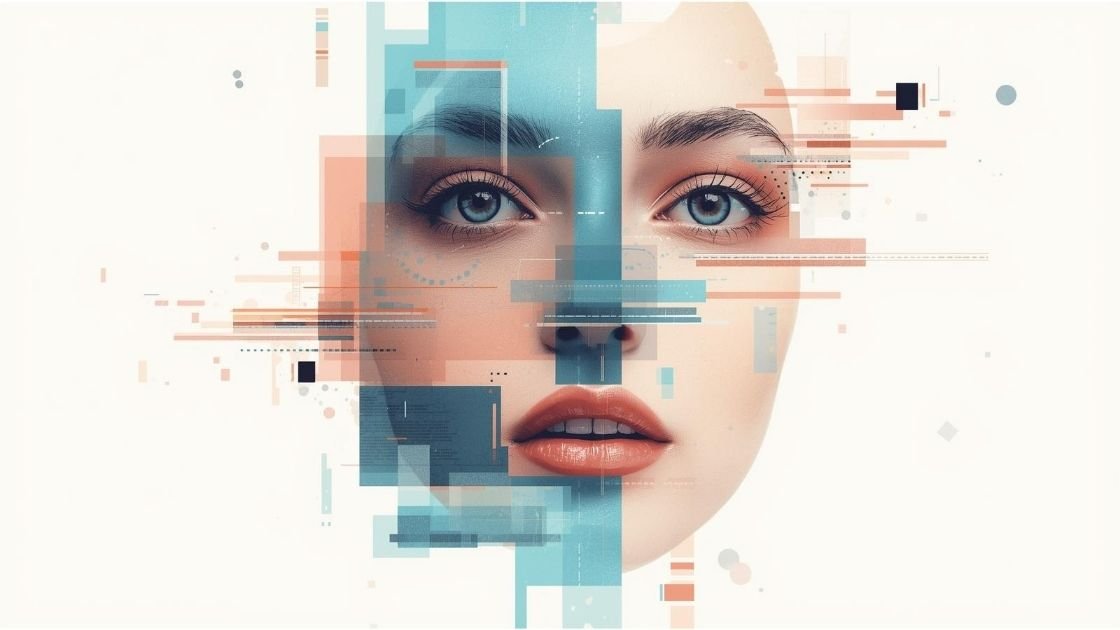
AI beauty filters can smooth skin, reshape facial features, brighten eyes and apply digital makeup within seconds. What began as playful social media effects has developed into a powerful technology that can create highly realistic but digitally altered faces.
Celebrities and influencers play an important role in this change. Their edited selfies, beauty campaigns and short-form videos can quickly reach millions of people. When the use of a filter is not obvious, viewers may compare their natural appearance with a face that does not exist in real life.
This does not mean every beauty filter is harmful. Filters can support creativity, entertainment and virtual makeup testing. The concern begins when digital enhancement is repeatedly presented as natural beauty.
Quick Answer
AI filters are changing beauty standards by making smooth skin, symmetrical features, larger eyes, fuller lips and sharply defined faces appear normal. Celebrity and influencer content can spread these digital beauty ideals quickly. Filters may be entertaining, but undisclosed or excessive editing can affect trust, self-image and expectations about real human appearance.
What Is an AI Beauty Filter?
An AI beauty filter is a digital tool that detects facial features and changes their appearance in a photograph or video.
Older filters usually added simple overlays, such as animal ears or color effects. Modern filters use facial recognition, augmented reality and machine learning to follow a person’s face as it moves.
Depending on the application, an AI face filter may:
- Smooth skin texture
- Remove visible marks
- Brighten teeth
- Enlarge or reshape eyes
- Lift eyebrows
- Reduce the appearance of a nose
- Change the jawline
- Add fuller-looking lips
- Apply virtual makeup
- Change hair color
- Adjust lighting
- Create a younger or older appearance
Some effects are intentionally unrealistic. Others are subtle enough that viewers may not realize the face has been altered.
Why Celebrity Culture Matters
Beauty standards existed long before social media. Film, magazines, advertising and celebrity photographs have influenced public ideas about attractiveness for generations.
AI filters have changed the speed and scale of that influence. A celebrity can now post an edited photograph instantly, while fans and creators can apply a similar effect to their own faces.
This creates a repeating cycle:
- Celebrities and influencers share polished images.
- Followers see those features as attractive or fashionable.
- Filter developers create effects that copy the same appearance.
- Users apply those filters to their own content.
- The edited appearance becomes more familiar.
- Familiarity makes the artificial look seem normal.
The result is not one official beauty standard. It is a set of repeated digital features that may appear across thousands of unrelated faces.
The Rise of the “Instagram Face”
The phrase “Instagram face” is often used to describe a digitally influenced beauty look. Common features include smooth skin, high cheekbones, lifted eyes, a small nose, full lips and a sharply defined jawline.
Not every celebrity or filter uses this appearance. However, repeated exposure can make different people look increasingly similar online.
Vogue has discussed how AI-generated beauty images and highly edited influencers may promote a hyper-perfect “meta face.” Experts quoted by the publication warned that artificial images can affect what people expect from their natural appearance.
This creates a beauty paradox. Social media allows more people to express themselves, yet widely used filters may reduce visible individuality by applying similar features to every face.
How Celebrities Respond to Filters and Retouching
Some celebrities have openly challenged heavy editing and unrealistic beauty standards.
Jennifer Lopez has shared makeup-free content and stated that selected videos were posted without filters or retouching. Pamela Anderson has also received attention for embracing a more natural public image and appearing in campaigns focused on authenticity.
Other celebrities have criticized photographs that changed their bodies or facial features. Emily Ratajkowski objected publicly after a magazine cover altered her appearance. Zendaya, Kate Winslet and other public figures have also been connected with discussions about excessive retouching.
These examples matter because celebrity transparency can help audiences understand that professional images may involve:
- Makeup
- Controlled lighting
- Camera lenses
- Professional photography
- Styling
- Image selection
- Skin retouching
- Facial reshaping
- Color correction
- AI enhancement
A polished celebrity image is often the result of several production choices. It should not be treated as an everyday standard for natural appearance.
Why AI Filters Can Feel So Convincing
Modern filters work in real time. They can stay attached to the face while a person talks, smiles or turns their head.
This creates a stronger sense of realism than traditional photo editing. Users may begin to identify with the filtered version because they repeatedly see it moving like a natural face.
A filter can also provide immediate emotional feedback. The user may feel more confident when viewing the enhanced image and less satisfied when the effect is removed.
The technology is persuasive because it does not merely show an ideal face. It places that ideal directly onto the user’s own reflection.
Possible Effects on Body Image
The relationship between social media and body image is complex. Not every user responds in the same way, and a filter does not automatically cause poor mental health.
However, research summarized by the American Psychological Association found that viewing retouched social media images can negatively affect body image, particularly among teenage girls.
Another APA-reported study found that teens and young adults who reduced their social media use experienced improvements in how they felt about their appearance. This does not prove that every platform or filter has the same effect, but it shows why repeated appearance comparison deserves attention.
Warning signs may include:
- Disliking your natural face after removing a filter
- Avoiding unedited photographs
- Comparing yourself constantly with influencers
- Feeling anxious before posting a selfie
- Editing every image heavily
- Believing natural skin texture is abnormal
- Wanting cosmetic procedures to match a filter
- Measuring self-worth through likes and comments
Anyone experiencing continued distress should speak with a qualified mental health professional.
Filters and Cosmetic Procedure Expectations
One growing concern is that some users take filtered photographs to cosmetic consultations and ask to resemble the edited image.
This can create unrealistic expectations because a digital effect does not need to follow human anatomy. It can change proportions, remove natural movement and create results that may not be physically possible or medically appropriate.
A responsible cosmetic professional should explain:
- What can realistically be changed
- What risks are involved
- Whether expectations are achievable
- How temporary trends may affect the request
- Whether the person’s goal comes from personal preference or online pressure
A filtered selfie should never replace a proper medical consultation.
The Positive Side of Beauty Filters
Beauty filters are not used only to hide perceived flaws. They can also support creativity and practical experimentation.
Creative Expression
Fantasy makeup, unusual colors, animation and face effects can function as digital art. They allow creators to build visual stories that would be difficult or expensive to produce physically.
Virtual Makeup Testing
Beauty brands use augmented reality to let customers preview lipstick shades, eye makeup and other products. Virtual try-on tools can help shoppers explore options before buying.
The result may not perfectly match real lighting, skin tone or product texture, so it should be used as a guide rather than a guarantee.
Entertainment
Many filters are intentionally playful. Age effects, character transformations and humorous distortions can encourage participation in social media trends.
Accessibility for Creators
Digital tools can help small creators produce visually interesting content without a professional studio, makeup team or large budget.
The main issue is not whether filters exist. It is whether the audience understands when and how reality has been altered.
AI-Generated Influencers and Virtual Celebrities
AI is also changing celebrity culture through virtual influencers. These digital personalities can appear in photographs, promote products and interact with followers despite not being real people.
Virtual celebrities give brands greater control over appearance, scheduling and storytelling. However, they also raise questions about transparency.
Audiences should be told clearly when:
- A face is completely AI-generated
- A real model’s body or voice has been altered
- A virtual influencer promotes a paid product
- AI has created a fake celebrity endorsement
- A video uses face-swapping or deepfake technology
Without disclosure, viewers may mistake advertising or fictional content for a real human experience.
Deepfakes and Celebrity Identity
Deepfake technology can place a celebrity’s face or voice into content they never created. This creates serious risks involving misinformation, fraud, harassment and reputation damage.
A realistic celebrity video should not automatically be trusted. Before sharing it:
- Find the original source.
- Check the celebrity’s verified accounts.
- Look for reporting from reliable publications.
- Watch for unnatural facial movement or mismatched audio.
- Avoid downloading content from suspicious websites.
- Do not share private or sexualized fake material.
AI literacy is becoming as important as traditional media literacy. Viewers must learn to question not only what an image shows, but also how it may have been created.
How Influencers Can Use Filters Responsibly
Creators do not need to stop using every filter. A responsible approach focuses on honesty and context.
Influencers can:
- Disclose when a beauty filter changes facial features
- Avoid promoting filtered skin as a skincare result
- Share some unedited content
- Keep natural skin texture visible
- Avoid making false product claims
- Label AI-generated images
- Refuse unauthorized celebrity face swaps
- Consider how content may affect younger followers
Trust is valuable in influencer marketing. Transparent creators may build stronger audience relationships than those who present impossible results as natural.
How Viewers Can Protect Their Self-Image
Social media users can enjoy beauty content without treating every image as a standard they must meet.
Helpful habits include:
- Following creators who show different ages, skin types and facial features
- Remembering that professional lighting changes appearance
- Comparing yourself less often with celebrity images
- Taking regular breaks from appearance-focused content
- Using playful filters without treating them as goals
- Keeping unedited photographs
- Removing accounts that repeatedly make you feel inadequate
- Talking openly with teenagers about digital editing
The American Psychological Association recommends a balanced approach to social media because online experiences can provide both benefits and risks.
What Beauty Brands Should Do
Brands have a responsibility to avoid misleading customers. If a skincare or makeup advertisement uses a filter that changes the claimed result, buyers may develop false expectations.
Responsible beauty marketing should:
- Disclose AI-generated models
- Label heavily retouched images
- Avoid changing product results digitally
- Show different skin textures and ages
- Obtain consent before using a person’s face
- Protect biometric and facial data
- Use realistic virtual try-on examples
- Separate creative effects from product evidence
Consumers should be able to understand whether they are viewing real product performance, artistic advertising or an AI-generated image.
Frequently Asked Questions
Do beauty filters use artificial intelligence?
Many modern beauty filters use AI, facial recognition or machine learning to identify facial features and apply changes while the person moves.
Can filters change how people see themselves?
Repeatedly viewing an enhanced version of your face may affect satisfaction with your natural appearance. The effect differs between individuals.
Do celebrities use beauty filters?
Some celebrities and influencers use filters or retouching, while others share unedited content. Unless editing is disclosed or clearly visible, viewers may not know what was changed.
Are all beauty filters harmful?
No. Filters can support creativity, entertainment and virtual product testing. Problems may arise when realistic alterations are hidden or become a standard for natural beauty.
What is an AI influencer?
An AI influencer is a fully or partly computer-generated personality designed to publish content and interact with an online audience.
How can I identify an edited celebrity image?
Check the original source, compare other photographs from the event and look for disclosure. Small editing changes may be impossible to identify by sight alone.
Final Thoughts
AI filters have made digital beauty more creative, accessible and interactive. They have also blurred the line between natural appearance and computer-generated perfection.
Celebrity and influencer culture can spread a filtered beauty ideal quickly, especially when editing is not disclosed. The most responsible solution is not to reject every digital tool. It is to use filters with transparency and understand that an enhanced face is not a fair standard for real life.
Natural skin has texture. Faces are not perfectly symmetrical. People age, move and appear different under changing light. Those qualities are not technical errors waiting for an AI filter to correct; they are part of being human.