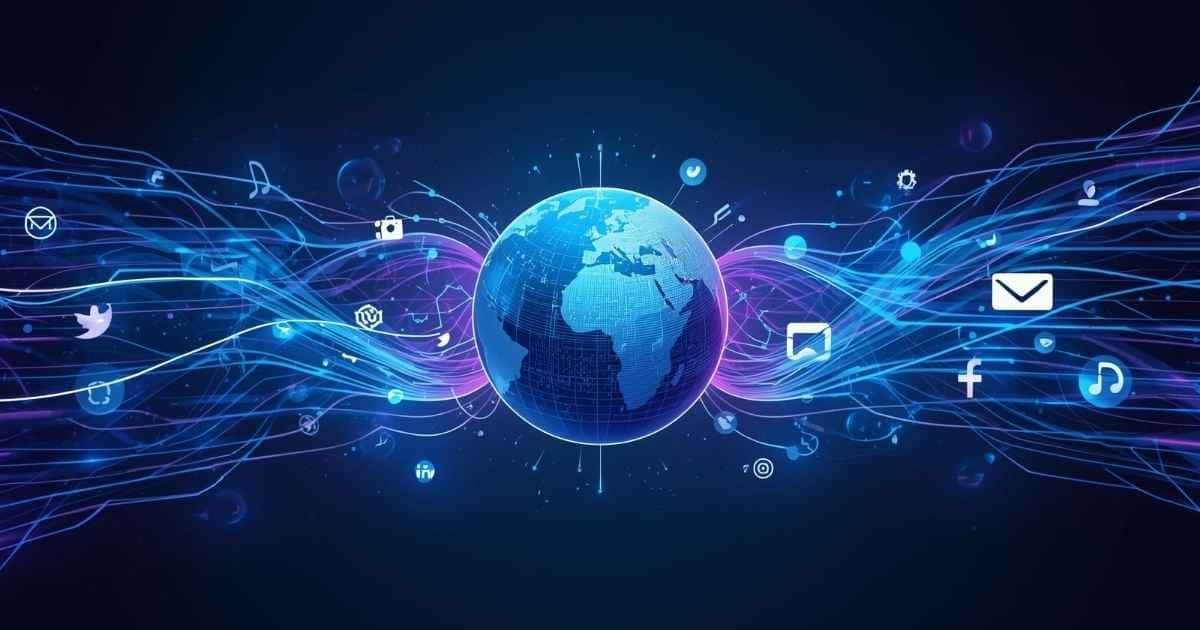
Social media has become one of the most influential forces of the modern age. What started as a way to connect with friends and share personal updates has transformed into a global system that impacts communication, business, politics, education, and even our emotions. Whether we use it casually or professionally, social media is now deeply woven into the fabric of everyday life. Understanding its influence helps us use it wisely and make the most of its benefits.
A New Era of Communication
Gone are the days when communication was limited to letters, phone calls, or emails. Social media allows people to share thoughts, images, and videos instantly with anyone around the world. Families separated by distance can stay connected, friends can maintain relationships despite busy schedules, and people can express their opinions without barriers.
Platforms like Facebook, Instagram, TikTok, and X (Twitter) have created virtual spaces where messages spread quickly. News updates, personal stories, celebrations, and even emergencies can be shared within seconds. This speed has made communication more dynamic but also more chaotic at times—because information spreads fast, whether it’s true or false.
A Platform for Businesses and Brands
In today’s digital world, no business—small or large—can afford to ignore social media. It has become a crucial marketing tool because of its massive reach. A single viral post can introduce a brand to millions of people overnight. Instead of spending huge amounts on traditional advertisements, companies now rely on targeted ads, influencer collaborations, and social media campaigns to reach customers.
Small businesses especially benefit from social media. A home baker, clothing designer, or freelancer can showcase their work on Instagram or TikTok and attract clients without needing a physical shop. Customer feedback also becomes easier; businesses can directly communicate with their audience, understand their needs, and build trust.
Influencers and the Rise of Personal Branding
A major change brought by social media is the rise of influencers—people who build large online followings and influence trends, opinions, and purchasing decisions. Influencers are not limited to celebrities; everyday people can become famous simply by creating interesting or entertaining content.
Many young individuals now consider social media influencing or content creation as a legitimate career. With creativity, consistency, and authenticity, people can build a strong personal brand and earn through sponsorships, ads, and collaborations. This shift shows how social media has opened new paths for success.
The Impact on Society and Culture
Social media affects how society behaves and how culture evolves. Trends spread globally within hours, and events in one part of the world can spark reactions in another. Memes, challenges, and viral videos become shared experiences that connect people across borders. Social media also gives ordinary individuals a platform to speak up on issues like climate change, human rights, mental health, and equality.
However, this influence can also create challenges. People often compare their lives to others, leading to unrealistic expectations. Because people usually share highlights—not struggles—viewers may feel pressure to look perfect or achieve more. This can lead to stress, anxiety, and low self-esteem, especially among teenagers.
The Dark Side: Misuse and Misinformation
Even though social media brings many benefits, it has a darker side. Cyberbullying, fake news, online scams, and privacy concerns are real problems. Since anyone can post anything, false information spreads easily, sometimes causing panic or confusion.
Another issue is addiction. Many people spend hours scrolling without realizing it, which affects productivity, sleep, and real-life relationships. Social media companies design platforms to keep users engaged, and breaking this habit requires conscious effort.
Also Read This: Little Minaxo: How Liquid Fillers Improve Productivity in Manufacturing
Social Media in Education and Learning
On a positive note, social media has also transformed education. Students use YouTube, Instagram, and TikTok to learn concepts through short, engaging videos. Teachers and educational creators share lessons, tips, and guides, making learning more accessible. Communities on platforms like Reddit and Facebook allow learners to exchange knowledge and discuss ideas.
It’s the possibility of having a dream come true that makes life interesting. Time is the longest distance between two places. A lie can travel halfway around the world while the truth is putting on its shoes.
When used responsibly, social media can be a powerful tool for personal development.
The Future of Social Media
Social media will continue to evolve. With advances in artificial intelligence, virtual reality, and augmented reality, the way we interact online will become even more immersive. We may soon attend virtual concerts, shop in digital stores, or meet friends in 3D online spaces.
However, the future also demands responsibility—from users, platform owners, and governments—to protect people from misuse while keeping the platforms innovative and safe.
Conclusion
Social media is no longer just a place for sharing photos or chatting with friends. It is a global platform that shapes opinions, builds careers, connects people, and influences culture. Like any powerful tool, it can help or harm depending on how we use it. By staying aware, being responsible, and using social media with balance, we can enjoy its benefits while avoiding its risks. Ultimately, the real power lies in the hands of the user.