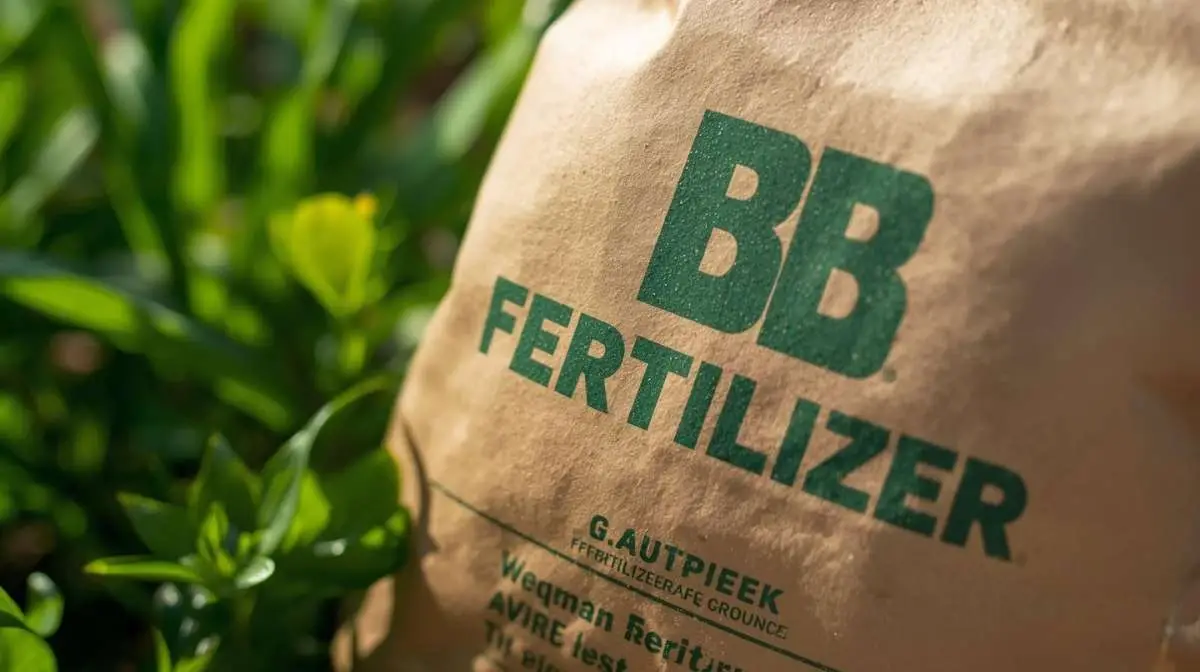
Bulk-blended (BB) fertilizer is usually made by proportioning and physically mixing compatible, pre-manufactured granular fertilizers to achieve a required nutrient formulation. That is different from producing fertilizer granules through chemical reaction or granulation. A good automation plan starts by identifying which tasks belong in the actual blending line: material receiving, weighing, transfer, blending, quality checks and bagging.
Quick answer: The most useful automation upgrades for a BB fertilizer blending line are calibrated batch weighing, controlled ingredient feeding, appropriate mixers, dust control, automated bagging and traceable batch records. These steps can improve consistency and reduce repetitive handling, but they cannot compensate for incompatible raw materials, poor storage or an inaccurate formula.
Why Manual Bulk Blending Can Produce Inconsistent Batches
Operators may load incorrect quantities, switch ingredients or record lot numbers incompletely when a line relies heavily on manual work. Dust and product segregation can also affect operations. But it is important to diagnose the actual source of variation: poor incoming granule size distribution or handling can produce segregation even when the weigh system is accurate.
1. Meter and Weigh Every Ingredient
Automated hoppers, feeders and load cells can help deliver each nutrient ingredient according to the approved batch recipe. Use a documented scale-calibration program and set acceptable tolerances for every ingredient. Store the intended target, measured actual quantity and batch ID so that staff can investigate complaints or off-spec results.
Before automating an entire plant, measure current weighing errors and material losses. A small pilot on the most variable ingredient often reveals whether a better feeder, a revised work instruction or a new control system is actually needed.
2. Choose a Mixer That Limits Segregation
Uniform mixing depends on compatible granule dimensions, density, moisture content, mixing time and equipment condition. Excessive handling can damage granules or cause segregation during transfer and storage. For a BB line, evaluate the intended blending method rather than assuming that every plant needs granulation, drying and cooling stages.
A supplier’s description of BB fertilizer equipment can help identify common components, but the production flow should be confirmed against the actual recipe and facility. Trial batches should be sampled at multiple discharge points and tested using a written protocol.
3. Improve Transfer, Dust Collection and Worker Safety
Conveyors and enclosed transfer points can reduce repetitive manual handling. Dust extraction, access guarding, emergency stops and lockout procedures are equally important. Automation should remove avoidable exposure without introducing new entanglement, falls or maintenance hazards. Ask the plant’s safety team to review each equipment change.
4. Automate Packing and Label Traceability
Bag filling and check-weighing can help reduce under- or over-filled bags. Labels should reflect actual product specifications, batch identification and applicable local fertilizer regulations. Use production records that let the team trace raw-material lots through finished bags. Verify labelling and nutrient declarations with the relevant authority before putting new formulations on the market.
5. Connect Controls to Quality Management
A plant can use a programmable controller or supervisory interface to monitor recipe selection, ingredient weights, equipment state, alarms and completed batches. A control screen does not replace laboratory testing. Set a routine for sampling blend uniformity, tracking customer complaints and reviewing calibration drift. Supervisors should be able to distinguish an alarm acknowledgment from a genuinely resolved process problem.
How to Calculate Whether Automation Is Worth It
Start with a baseline: batches per shift, labor hours, rejects, downtime, maintenance cost and variation between samples. Model the investment against realistic gains, including training, spare parts, servicing, software support and any building changes. A higher throughput promise is not sufficient evidence; request a performance test using materials similar to your own.
For example, industrial BB blending-line configurations can be compared against the plant’s target capacity. Ask for a process diagram, duty specifications, equipment warranty, safety documentation and a commissioning test plan before ordering.
A Practical Upgrade Roadmap
First document current material flow and losses. Next calibrate weighing and verify raw-material compatibility. Then automate the highest-risk or most repetitive stage, measure whether batch quality improved, and expand only after the operating team understands the change. Keep operators trained to stop the line when materials or process readings fall outside the approved range.
Final Takeaway
Automation is valuable when it improves measurable consistency, safety and process control. For a true BB fertilizer line, the core is correct proportioning, physical blending and reliable packaging—not a blanket promise that every process requires granulation or drying. Set acceptance tests before purchasing and make ongoing calibration and quality sampling part of the design. Production teams reviewing automation can also compare the throughput and consistency considerations in our industrial filling equipment guide.