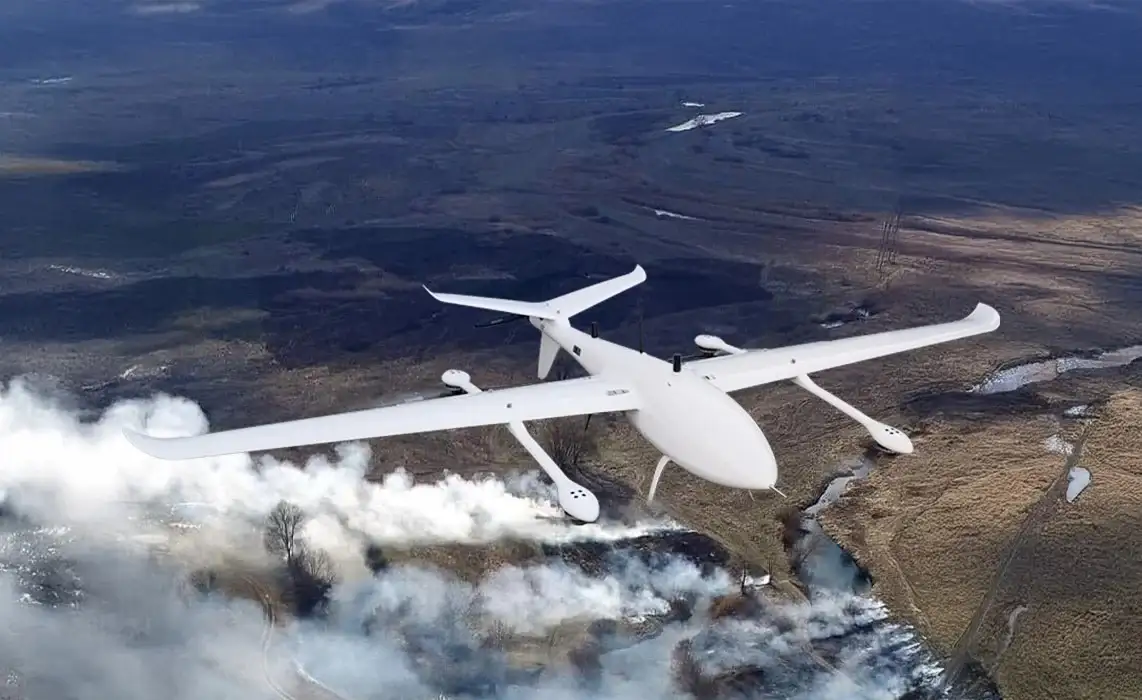
Industrial unmanned aerial vehicles (UAVs) can help teams inspect structures, survey land and collect visual or sensor data where ground access is expensive or hazardous. A drone purchase does not guarantee an accurate result: aircraft specifications, payload integration, flight procedures, operator qualifications and data processing all determine whether a mission succeeds.
Quick answer: When comparing Foxtech UAVs or any industrial drone system, begin with the mission. Evaluate payload compatibility, safe operating weight, endurance under realistic loads, battery support, maintenance, data security, training and the local aviation rules. A manufacturer’s claimed flight time should not be treated as the time available for a complete working mission.
What Makes an Industrial Drone Different?
Industrial platforms may support interchangeable cameras, mapping sensors or specialized payloads, but that versatility adds integration and maintenance complexity. Manufacturers often offer multiple airframes with different propulsion systems and battery configurations. Verify the exact model against the actual payload and required work environment.
Common Aerial-Data Applications
Infrastructure teams may use aerial imagery to identify areas needing closer inspection. Agriculture projects can collect crop and field information, while environmental teams may document erosion, habitat conditions or land changes. Emergency-response uses require particular caution because flights can interfere with other aircraft and ongoing operations.
Mission Planning Comes Before Buying
Define the site, airspace, weather limits, required resolution, area to cover and desired output format. For a mapping task, camera calibration, overlap and ground control can matter more than advertised megapixels. For structure inspection, standoff distance and safe access to the target are key concerns.
Evaluating Industrial Drone Solutions
The industrial drone solutions offered by Foxtech are one possible source of platforms and components. Compare published specifications with the actual integration documents. Ask whether the quoted configuration includes the airframe, controller, payload mounts, batteries, charging equipment, software licences and training.
Battery Capacity and Endurance
Battery capacity alone does not determine flight time. Usable energy, payload mass, wind, temperature, flight speed and required landing reserve all affect the result. Check the aircraft’s compatible UAV drone battery options, manufacturer charging instructions, transport restrictions and replacement availability.
Use the approved battery management and storage procedures, record cycle counts and retire swollen or damaged packs according to manufacturer guidance. Avoid charging damaged lithium batteries and never assume that a higher-capacity third-party pack is safe without explicit compatibility approval.
Flight Control, Communications and Data Security
Check how the aircraft handles loss of signal, loss of positioning, low battery and aborted missions. Review link encryption, ground-station software support, telemetry retention and who can access uploaded imagery. Industrial imagery may contain critical infrastructure or personal information, so maintain appropriate access and retention policies.
Regulations and Qualified Operators
Drone rules vary by country. In the United States, the FAA Part 107 rules cover many commercial small-drone operations and impose requirements concerning remote pilot qualifications, registration and operating conditions. Flights over people, beyond visual line of sight or in controlled airspace can require additional authorization or an applicable rule-based allowance. Check the latest requirements for the exact operation.
Testing and Total Cost of Ownership
Before committing to a fleet, pilot a representative mission. Measure usable flight time, sensor accuracy, maintenance demands, operator workload and data-processing time. Include spares, battery replacements, insurance, training, transportation, software and repair turnaround in the budget.
Final Recommendation
The best drone is the one that safely produces the data your team needs within legal and operational limits. Compare vendors on documentation, serviceability, total system cost and verified mission results rather than treating broad ‘aerial intelligence’ claims as a substitute for testing. Operators planning long missions should review the general battery-capacity and storage principles in our battery safety and backup-power guide alongside drone-specific guidance.