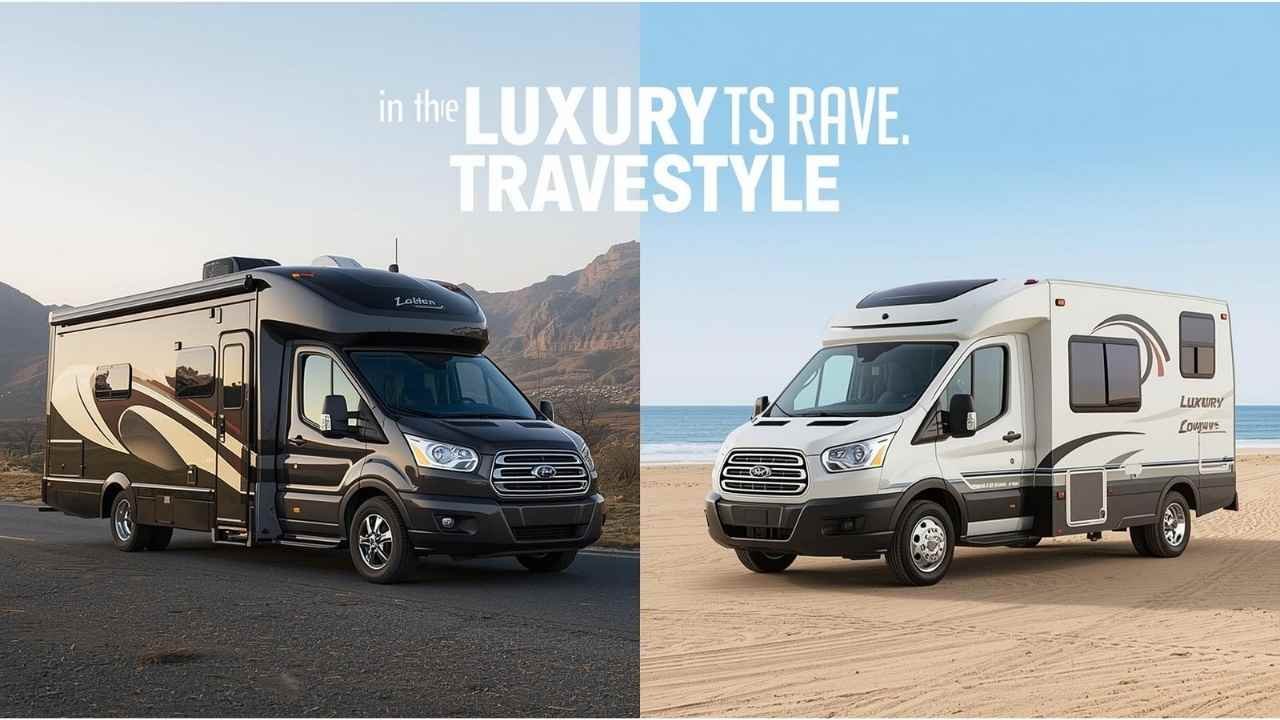
Buying an RV can give you more freedom to explore, camp and travel at your own pace. However, the wrong recreational vehicle may create high fuel costs, difficult driving and more maintenance than expected.
The best RV is not always the largest or most luxurious model. It is the one that matches your usual trips, passenger needs, driving skills, storage space and complete ownership budget.
Quick Answer
Choose an RV by deciding whether you want to drive or tow it, how many people need safe seats and beds, and how long your normal trips will be. Compare the complete cost of ownership, verify weight limits and inspect the floor plan in person. Renting a similar RV before buying can prevent an expensive mistake.
Start With Your Real Travel Style
Before comparing RV types, think about how you will actually travel. A full-time couple has different needs from a family taking three weekend trips each year.
Do not build your decision around one dream holiday. Focus on the kind of travel you expect to do most often during the next several years.
A weekend traveler may value easy driving and quick campsite setup. A full-time traveler may need a fixed bed, larger kitchen, comfortable workspace and enough storage for several seasons.
Your destinations matter as well. Large motorhomes may work well in developed RV parks but can be difficult to use in older campgrounds, cities and narrow mountain areas.
Motorized vs Towable RVs
The first major choice is between a motorized RV and a towable camper. Motorized RVs combine the driving area and living space, while towable RVs require a suitable car, SUV or pickup truck.
Class A, Class B and Class C motorhomes are motorized. Travel trailers, fifth wheels, teardrop campers and pop-up campers fall into the towable group.
A motorhome allows you to arrive and access the living area without unhitching a trailer. However, its engine, transmission and living systems all require maintenance.
A towable RV can remain at the campsite while you use the tow vehicle for shopping and sightseeing. Before buying one, you must confirm that the vehicle can safely handle its fully loaded weight.
Main RV Types Compared
| RV type | Best suited for | Main advantage | Main limitation |
|---|---|---|---|
| Class A | Full-time travel and longer stays | Large living space | High price and operating cost |
| Class B | Solo travelers and couples | Easy driving and parking | Limited interior room |
| Class C | Families and longer road trips | Balanced space and drivability | Larger than a camper van |
| Travel trailer | Couples and families | Wide range of sizes and prices | Requires a suitable tow vehicle |
| Fifth wheel | Extended stays and full-time use | Spacious residential layout | Requires a capable pickup truck |
| Teardrop or pop-up | Weekend and budget travel | Lightweight and compact | Fewer amenities and less insulation |
| Truck camper | Compact adventure travel | No separate trailer required | Limited room and high truck payload needs |
Use this comparison only as a starting point. Models within the same RV class can differ greatly in size, weight, quality and floor plan.
Class A Motorhomes
Class A motorhomes have a bus-like body and usually provide the largest living space among drivable RVs. Many include separate bedrooms, complete kitchens, large bathrooms and several slide-outs.
They can suit full-time travelers or families who stay at one location for longer periods. Large tanks and storage compartments may also support extended travel.
The extra space comes with higher fuel, tire, insurance and repair costs. These motorhomes can be challenging to park and may not fit every campground.
If you tow a small car behind the motorhome, the setup becomes longer and more complex. That added vehicle also brings another set of insurance, maintenance and towing requirements.
Class B Camper Vans
Class B motorhomes, commonly called camper vans, are compact and easier to drive than large motorhomes. They can work well for solo travelers, couples and people who change locations frequently.
Their smaller size makes fuel stations, city streets and parking areas easier to manage. Campsite setup is often simple because there is no trailer to disconnect.
Interior space is the main limitation. Beds, tables and kitchens may need to perform several functions, while bathrooms can be very compact.
Spend time inside the van before purchasing. Make sure you can stand comfortably, use the bathroom, prepare food and sleep without moving several items every night.
Class C Motorhomes
Class C motorhomes are often identified by the sleeping or storage area above the cab. They usually provide more room than a camper van without reaching the full size of many Class A models.
A Class C can be suitable for family vacations because it may include several sleeping areas, a kitchen and a full bathroom. The truck-style cab may also feel familiar to some drivers.
Do not use the number of beds as the safe passenger capacity. Confirm how many approved, forward-facing seat belts are available while the vehicle is moving.
Check the cargo capacity carefully as well. Passengers, water, food and luggage can use the available weight faster than expected.
Travel Trailers
Travel trailers are available in a wider range of sizes, weights and prices than most other RV categories. Small versions may suit couples, while bunkhouse layouts can accommodate families.
Once the trailer is disconnected, the tow vehicle remains available for local trips. Because the trailer has no engine, it also avoids motorhome drivetrain maintenance.
The tow vehicle must be matched to the loaded trailer, not only its empty listed weight. Passengers, cargo, water, batteries and accessories all affect the final load.
The manufacturer’s towing capacity is only one part of the calculation. Payload, axle ratings, hitch capacity and tongue weight must also remain within their limits.
Fifth-Wheel Trailers
A fifth wheel connects to a hitch mounted in the bed of a pickup truck. Its raised front section often creates a spacious bedroom and a multi-level floor plan.
These RVs may offer large kitchens, comfortable seating, tall ceilings and substantial storage. They are popular with some full-time travelers and people who take longer trips.
A fifth wheel requires a correctly rated pickup and hitch. Its pin weight sits over the truck’s rear axle and reduces the payload available for passengers and cargo.
Do not assume a pickup is suitable because its advertisement mentions a high towing number. Check the specific truck’s door label, axle ratings and payload capacity.
Pop-Up and Teardrop Campers
Pop-up campers fold down while being transported and expand at the campsite. They may provide several sleeping areas while remaining lighter and easier to store than many hard-sided trailers.
Their canvas or soft sections offer less sound control and insulation. Setup can also become inconvenient during rain, strong wind or frequent overnight stops.
Teardrop trailers are small hard-sided campers designed mainly for sleeping and basic cooking. Many have an outdoor rear kitchen and limited indoor standing room.
These compact RVs work best for travelers who spend most of their day outdoors. Confirm whether the lack of an indoor bathroom or kitchen will remain practical during poor weather.
Truck Campers
A truck camper sits in the bed of a pickup instead of being pulled behind it. This setup can reach smaller campsites and avoids managing a separate trailer.
It may suit fishing, hiking and remote travel where a large RV would be difficult to use. Some models include a kitchen, toilet and sleeping area in a compact layout.
Truck campers can be heavy. The pickup must have enough payload for the camper, passengers, water, equipment and other cargo.
Payload is often the limiting factor rather than advertised towing capacity. A larger camper may require a properly equipped heavy-duty truck.
Match the Floor Plan to Your Travelers
An RV that sleeps six may not provide comfortable daytime space for six people. Beds, bathrooms, storage and travel seats should all be considered separately.
Families may need fixed bunk beds so the dining area does not have to be converted every night. Couples may prefer a permanent bed that can be accessed from both sides.
Full-time travelers often need a real workspace, more clothing storage and comfortable seating. Weekend travelers may prefer a smaller layout that is easier to prepare and clean.
If you travel with pets, plan a safe riding area and confirm that the ventilation and climate systems suit them. Never depend on an unattended air conditioner as the only protection against heat.
Calculate the Total RV Budget
The purchase price is only the beginning of RV ownership. Ongoing costs can change which model is genuinely affordable.
Include insurance, registration, financing, fuel, maintenance, campground fees, storage and roadside assistance. Tires, batteries and roof-seal maintenance can also become significant expenses.
A motorhome may require both vehicle and living-system repairs. A towable camper may require purchasing or upgrading a suitable truck.
Keep a repair reserve instead of spending the entire budget on the RV itself. Even a new model can need adjustments, service appointments or equipment replacement.
Understand RV Weight Ratings
Weight affects steering, braking, tire safety and vehicle control. Never select a towable RV using only a salesperson’s verbal estimate.
Important terms include GVWR, which is the maximum permitted loaded vehicle weight, and GAWR, which is the maximum weight allowed on each axle.
Cargo capacity shows how much weight is available for passengers, water, luggage and added equipment. Tongue or pin weight is the load the trailer places on the tow vehicle.
The National Highway Traffic Safety Administration advises RV buyers to confirm that sufficient cargo capacity remains for water, luggage and installed equipment.
After loading the RV for travel, use a suitable vehicle scale to check the complete setup. Stay within the limits for the vehicle, trailer, axles, tires and hitch.
Consider Driving and Parking Comfort
A large RV may feel manageable in an open dealership lot but behave differently on a narrow road, steep grade or busy fuel station.
Take a meaningful test drive where permitted. Practice turning, braking, reversing, parking and judging the vehicle’s width.
For a travel trailer or fifth wheel, learn correct hitching, brake-controller use and trailer-sway response. Professional towing instruction can be valuable for first-time owners.
Research license requirements in your state or country. Some heavy or long RV combinations may require an endorsement or different license class.
Check Amenities Without Overbuying
Make a short list of features you will use on most trips. Extra appliances, slide-outs and entertainment systems increase cost, weight and maintenance.
A traveler staying mainly in full-service RV parks may not need huge water tanks or a powerful off-grid electrical system. Someone camping away from hookups may need solar panels, larger batteries and careful energy planning.
Prioritize functional features such as a comfortable bed, suitable bathroom, reliable climate control and usable food storage. Decorative finishes are easier to admire than to repair.
Check whether essential areas remain accessible when the slide-outs are closed. You may need the bathroom or refrigerator during a roadside stop.
Inspect the RV Before Buying
A professional independent inspection can identify water damage, unsafe repairs and appliance problems before purchase. This is important for both used and new RVs.
The inspection should cover the roof, seals, walls, frame, tires, brakes, plumbing, electrical systems, propane equipment and safety devices.
For a motorhome, include the engine, transmission and chassis. For a towable model, inspect the hitch components, axles, brakes and suspension.
Check the vehicle identification number for open recalls through official resources. NHTSA also advises buyers to look for the required federal safety certification label on trailers.
Rent Before Making the Final Decision
Renting a similar model is one of the most practical ways to test an RV type. A short journey often reveals problems that are difficult to notice during a dealership visit.
You may discover that the bed is uncomfortable, the bathroom is too small or campsite setup takes longer than expected. You may also learn that a smaller model meets your needs perfectly.
Try using every system during the rental. Cook a meal, pack normal luggage and spend time indoors during part of the day.
This real-world experience can prevent a costly purchase based only on attractive photographs and showroom excitement.
Choose a Dealer Carefully
A dealership such as A&L RV can help you compare available RV types, floor plans and equipment.
However, verify important specifications independently and get every promise in writing. Confirm the total price, warranty, included accessories and service terms before signing.
Ask who will handle future warranty work and how long service appointments normally take. A dealership far from home may be inconvenient when repairs are needed.
Do not rush because of a temporary discount. Compare similar models, financing terms and independent inspection results before making the final decision.
Final Thoughts
Choosing the right RV requires balancing space, mobility, safety and complete ownership cost. No single RV type is best for every traveler.
Start with your normal travel style and passenger needs. Then compare motorized and towable options, verify weight ratings and test the floor plan in person.
Rent a similar model before buying and arrange an independent inspection. The right RV should make travel simpler and more enjoyable, not create financial pressure or driving stress.