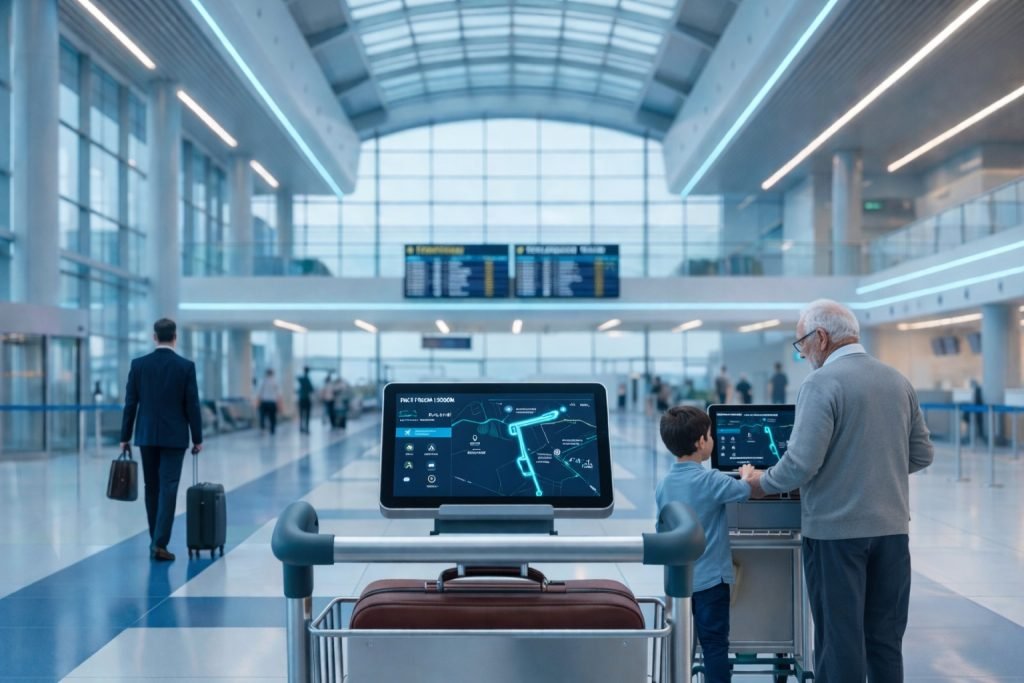
The evolution of airport infrastructure is rapidly shifting toward “smart airports,” where digital technologies, automation, artificial intelligence, and data integration work together to enhance passenger experience and operational efficiency. In this environment, airport advertising is also undergoing a major transformation.
Traditional static displays are being replaced by intelligent, connected, and data-driven advertising systems that can respond in real time to passenger behavior and airport conditions. As smart airports expand globally, airport advertising is becoming more immersive, personalized, and measurable than ever before. Companies like Gulf Airport Advertising are playing an important role in helping brands adapt to this new digital ecosystem and maximize their impact in future-ready airport environments.
Integration of AI and Intelligent Advertising Systems
Artificial intelligence is one of the most powerful forces shaping the future of airport advertising. In smart airports, AI systems analyze passenger data, movement patterns, and behavioral trends to optimize ad delivery.
This allows advertisers to display highly relevant content based on real-time insights. For example, AI can determine whether a traveler is a business passenger, tourist, or transit traveler and adjust advertising messages accordingly. It can also predict peak traffic zones and recommend optimal screen placements for maximum visibility.
Machine learning algorithms continuously improve campaign performance by analyzing engagement data and refining targeting strategies. This level of intelligence transforms airport advertising from static communication into a dynamic, adaptive system that responds to audience behavior instantly.
Hyper-Personalization in Smart Airport Environments
One of the most significant future trends in airport advertising is hyper-personalization. Smart airports use integrated data systems such as facial recognition (where permitted), mobile tracking, and digital ticketing systems to understand traveler profiles.
This enables advertisers to deliver personalized messages tailored to individual preferences, travel history, and behavior patterns. For instance, a frequent business traveler may see premium service ads, while a family traveler may be shown vacation packages or entertainment options. This level of personalization increases relevance and significantly improves engagement rates.
Unlike traditional advertising, where one message is shown to all audiences, smart airport advertising ensures that each traveler receives content that aligns closely with their needs and interests.
Programmatic and Automated Advertising Growth
Programmatic advertising is becoming a core feature of smart airport ecosystems. In the future, most airport ad spaces will be bought and sold automatically through digital platforms using real-time bidding systems.
This allows advertisers to target specific audiences with precision while optimizing budget allocation. Programmatic systems can adjust ad placements instantly based on passenger flow, time of day, and campaign performance. Automation also reduces manual intervention, making campaign management more efficient and scalable.
Advertisers will be able to launch, monitor, and optimize campaigns across multiple airports simultaneously through centralized digital dashboards. This shift toward automation ensures greater efficiency, flexibility, and responsiveness in airport advertising operations.
Immersive Technologies: AR, VR, and Interactive Displays
Smart airports are expected to become highly immersive environments where advertising blends seamlessly with digital experiences. Augmented reality (AR) and virtual reality (VR) technologies will allow travelers to interact with brands in completely new ways. For example, passengers may use AR-enabled screens to visualize products, explore destinations, or try virtual experiences while waiting for flights.
Interactive digital walls and gesture-based kiosks will further enhance engagement by allowing users to physically interact with advertisements. These immersive technologies transform airport ads from passive viewing experiences into active participation moments, significantly improving brand recall and emotional connection.
Data-Driven Decision Making and Real-Time Optimization
Data is the backbone of smart airport advertising. Future systems will rely heavily on real-time analytics to continuously optimize campaign performance. Advertisers will have access to detailed insights such as passenger demographics, engagement rates, dwell times, and conversion behavior.
This data will be used to adjust advertising strategies instantly for better outcomes. For example, if a particular message performs better during certain hours or locations, systems can automatically increase its frequency. Real-time optimization ensures that advertising budgets are used more efficiently and that campaigns deliver maximum impact. This continuous feedback loop will make airport advertising more scientific, precise, and results-driven.
Seamless Integration with Mobile and Digital Ecosystems
The future of airport advertising will be closely linked with mobile technology and digital ecosystems. Smart airports will integrate advertising systems with passenger smartphones, allowing brands to engage travelers beyond physical screens. QR codes, NFC technology, and mobile apps will enable instant interaction with advertisements.
Travelers may receive personalized offers, digital coupons, or travel-related information directly on their devices. This integration bridges the gap between offline and online marketing, creating a unified advertising experience. Mobile connectivity also allows advertisers to continue engaging with travelers after they leave the airport, extending campaign influence beyond the physical environment.
Sustainability and Smart Infrastructure Development
Sustainability is another important aspect shaping the future of airport advertising. Smart airports prioritize energy efficiency, reduced waste, and environmentally friendly technologies. Digital advertising reduces the need for printed materials, lowering paper consumption and production waste.
Future systems will also use energy-efficient LED screens and smart lighting systems that adjust brightness based on environmental conditions. Advertisers will increasingly align their campaigns with sustainability goals, promoting eco-friendly products and responsible travel behavior. This focus on sustainability ensures that airport advertising evolves in harmony with global environmental priorities.
Enhanced Passenger Experience Through Advertising
In smart airports, advertising will no longer be seen as intrusive but as an integrated part of the passenger experience. Well-designed ads will provide useful information, entertainment, and services that enhance the overall travel journey. For example, advertisements may guide passengers to nearby amenities, provide flight updates, or offer travel assistance.
This value-added approach ensures that advertising contributes positively to the airport environment. As a result, passengers are more likely to engage with ads and perceive them as helpful rather than disruptive. The future of airport advertising will focus on improving user experience while delivering brand messaging effectively.